
recent journals
lindsell interiors
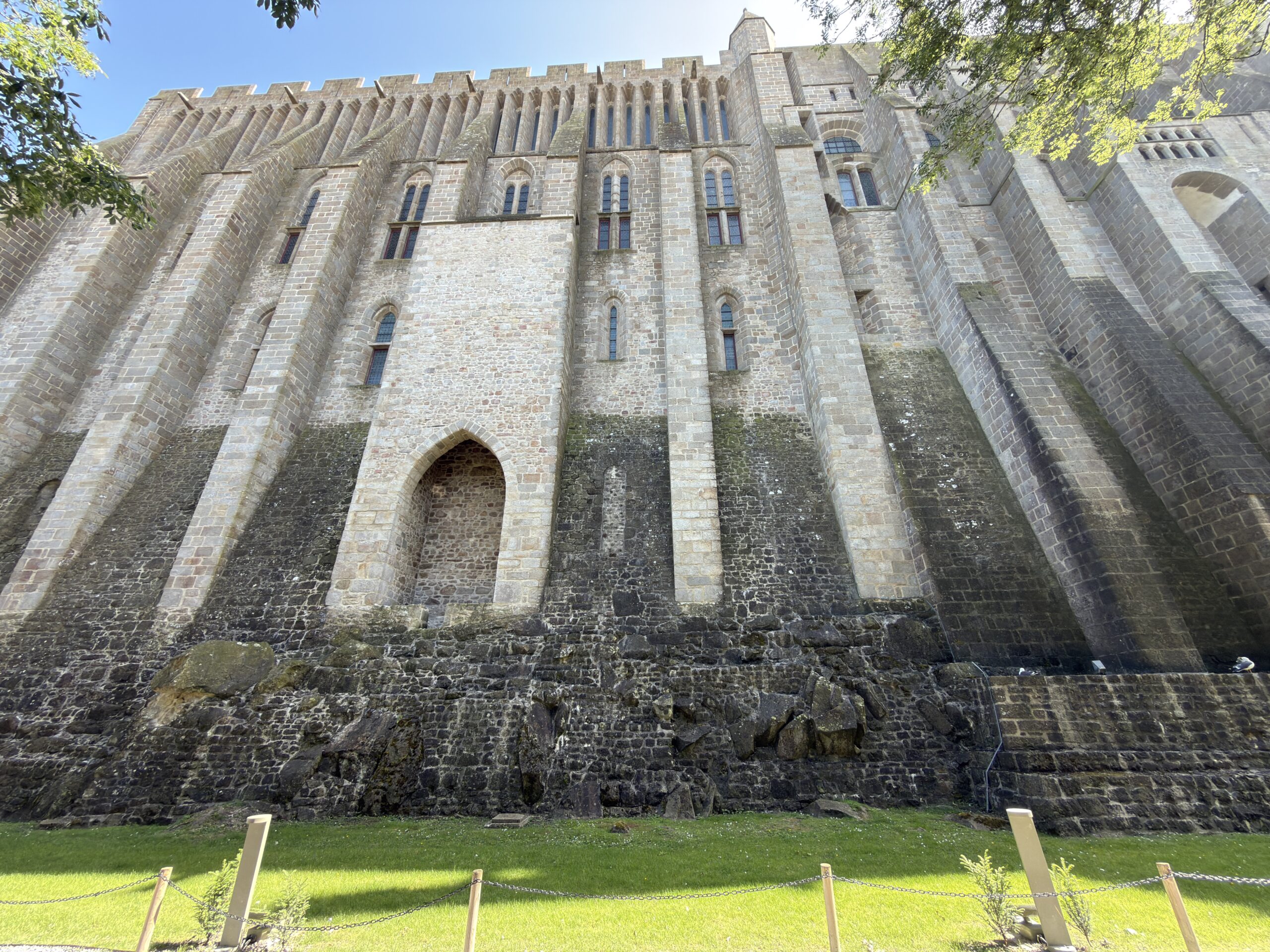
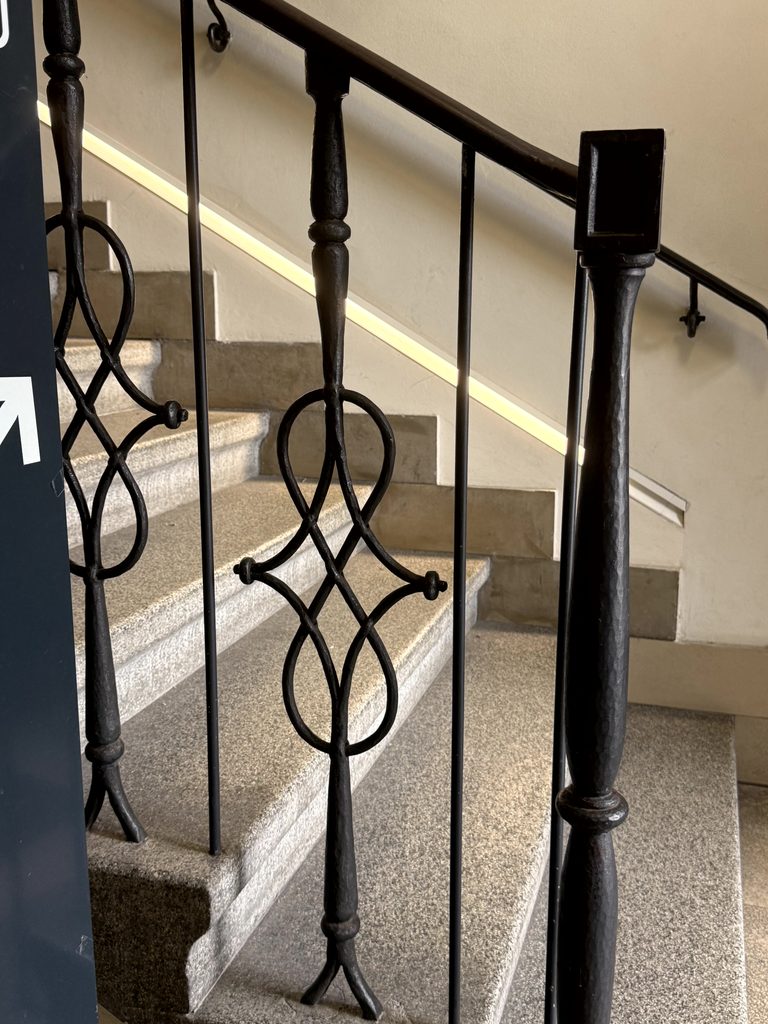
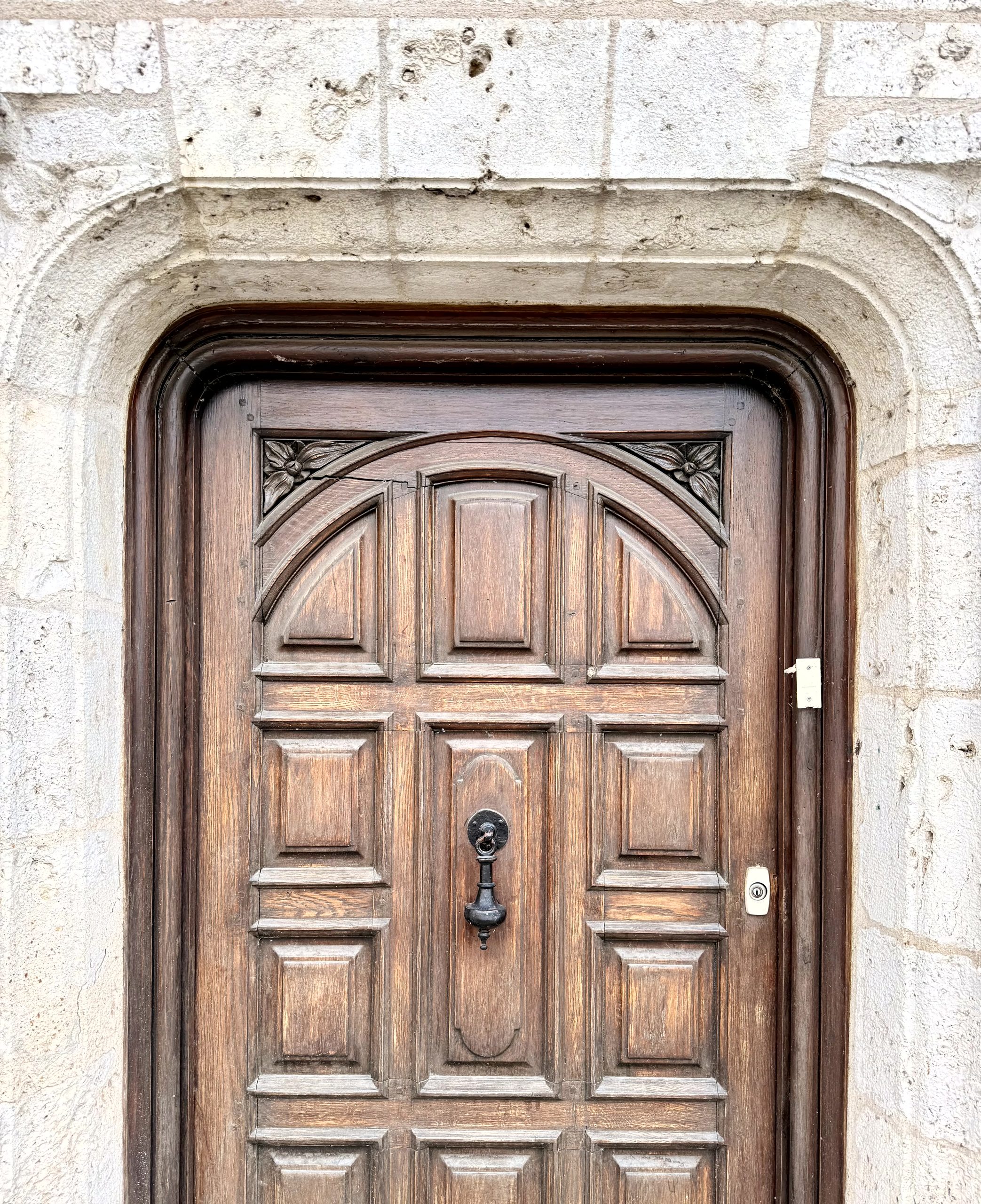
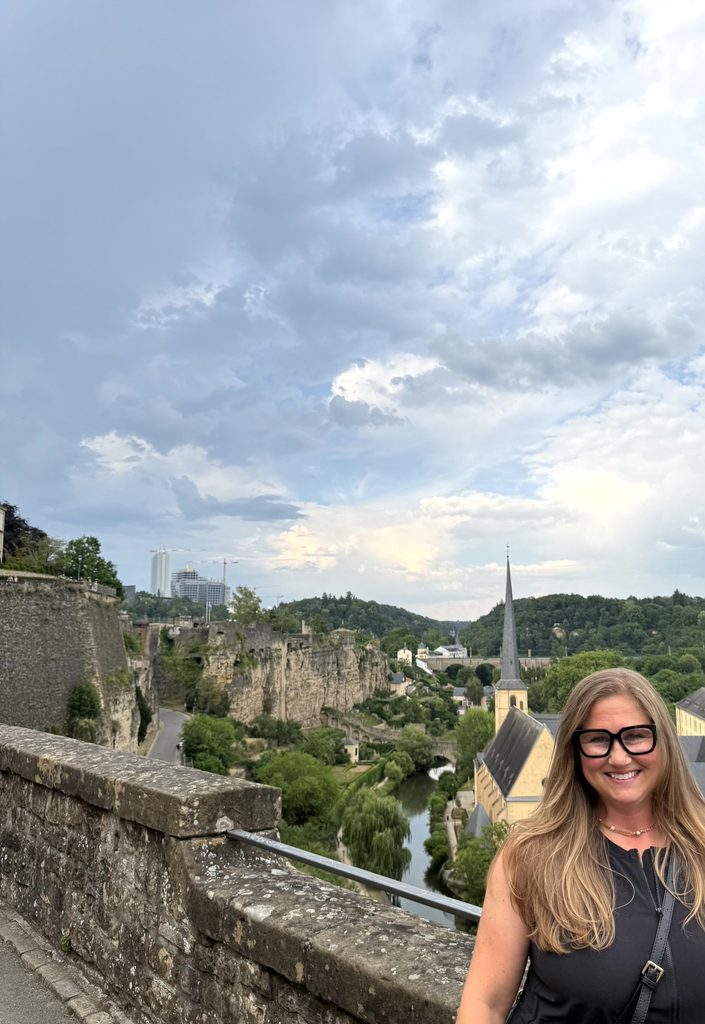
I went to Europe to follow my family’s World War II history and I came home with more than 800 photographs. Not surprisingly, many of them had absolutely nothing to do with WWII. I photographed brickwork. Stone walls. Ironwork. Gardens. Rooflines. Textiles. Architectural details. My family became very accustomed to walking ahead while I stopped—again & again—to photograph something that had caught my eye.
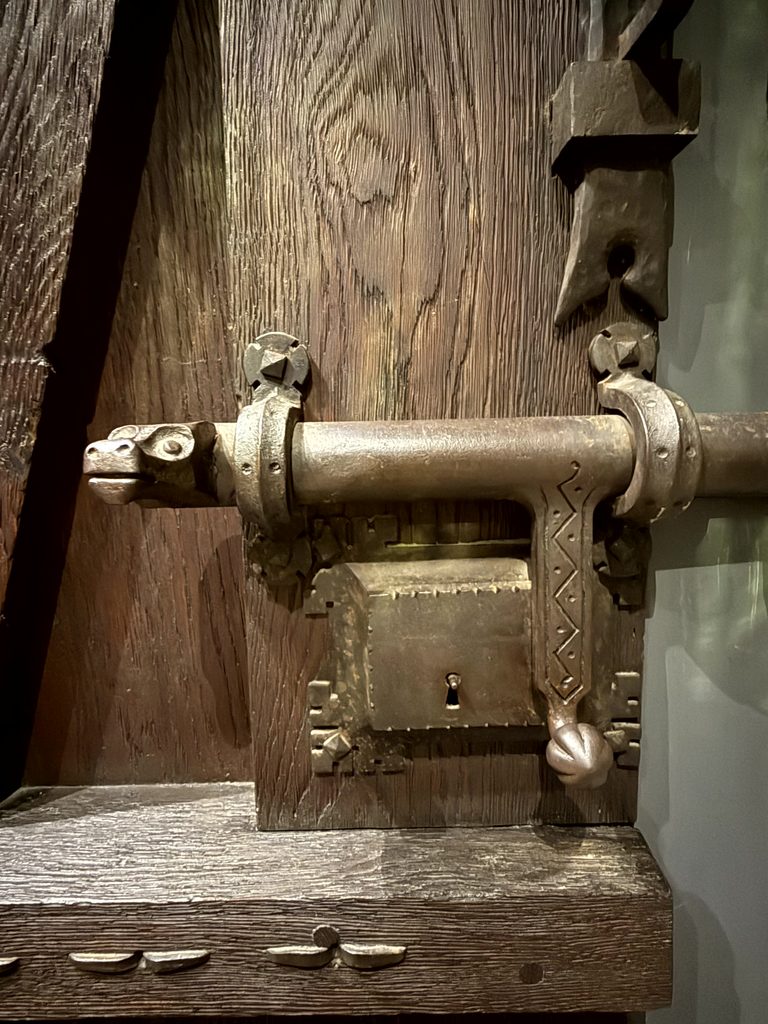
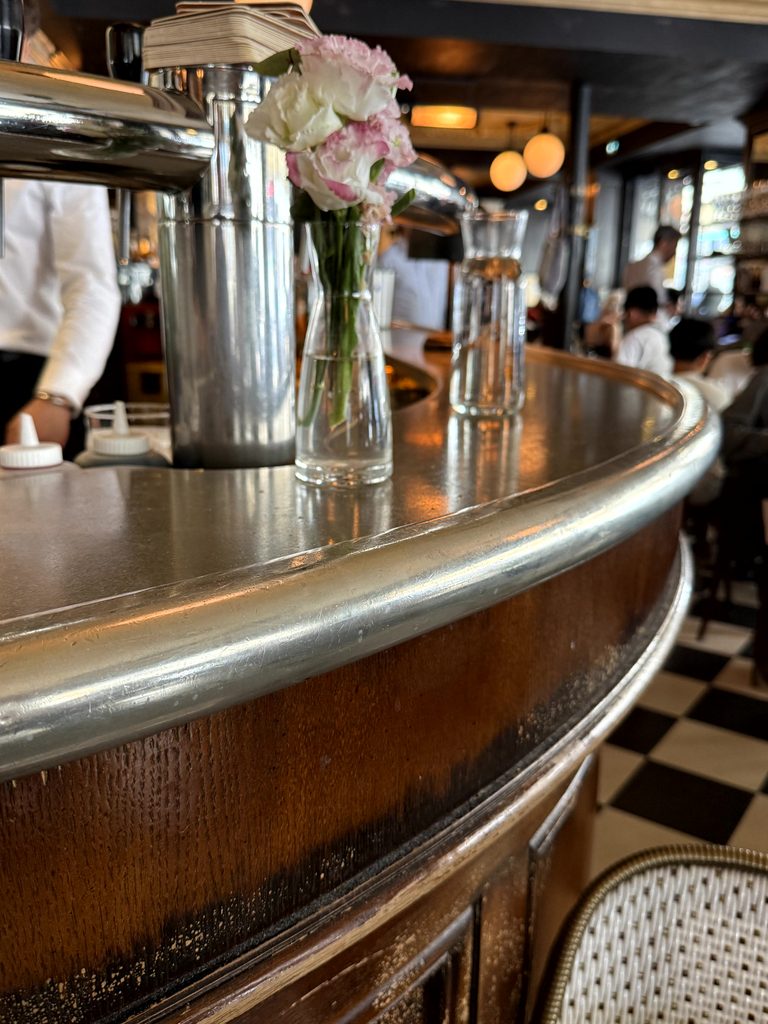
That is one of my favorite things about travel. As an interior designer, I’m always looking. Not necessarily for something I want to replicate, but for ideas—an unexpected combination of materials, a beautiful proportion, a pattern created by something as simple as the way brick was laid. Looking back through those hundreds of photographs, I realized that what interested me most wasn’t a particular piece of furniture or a specific European design style. It was depth of character. The places I loved felt layered rather than decorated. Their beauty came from natural materials, craftsmanship, age, repetition, landscape, and a strong sense of place. And while Europe certainly has no shortage of grand architecture, some of my favorite design inspiration came from the smallest details.
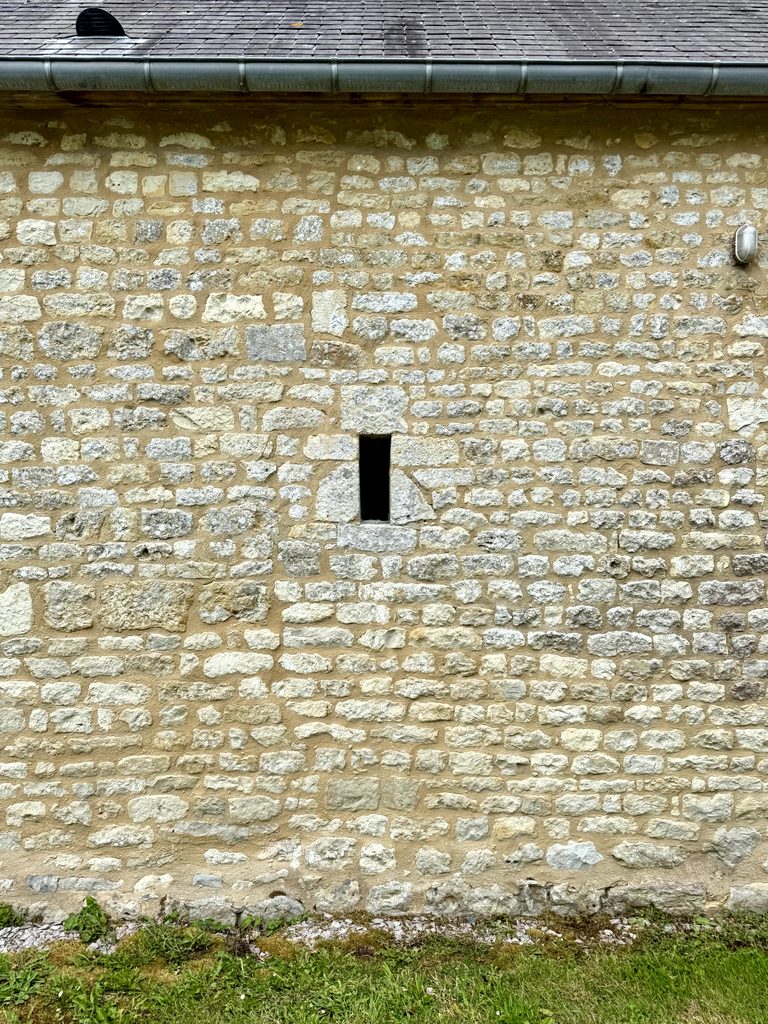
Let the Materials Do the Work
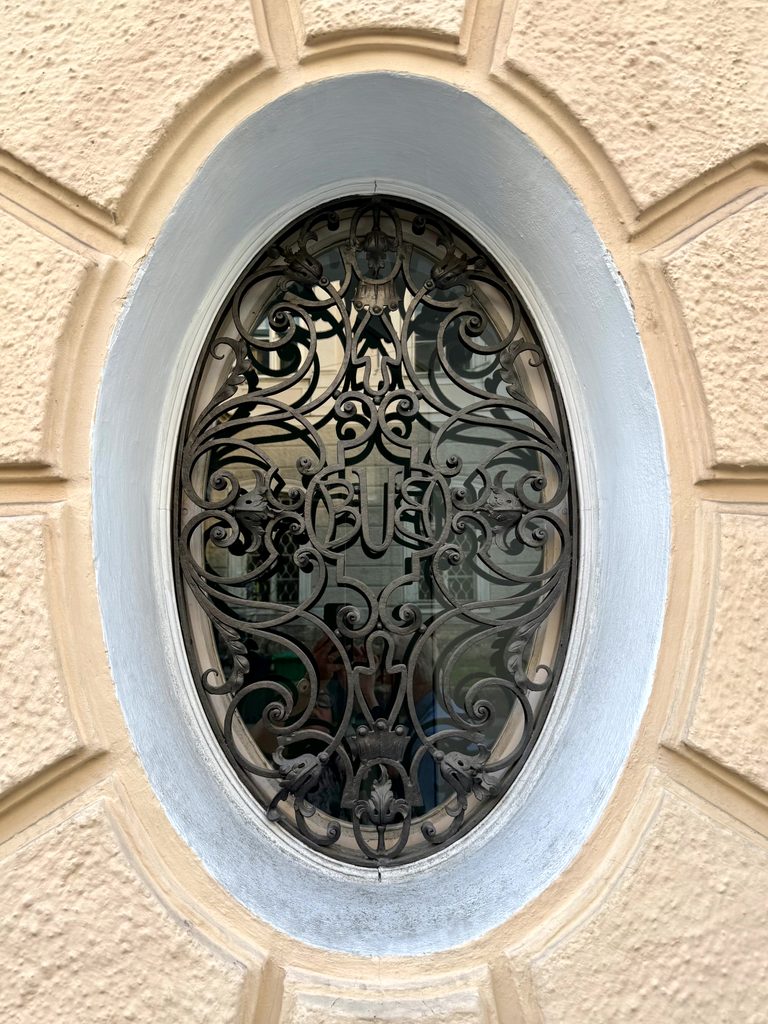
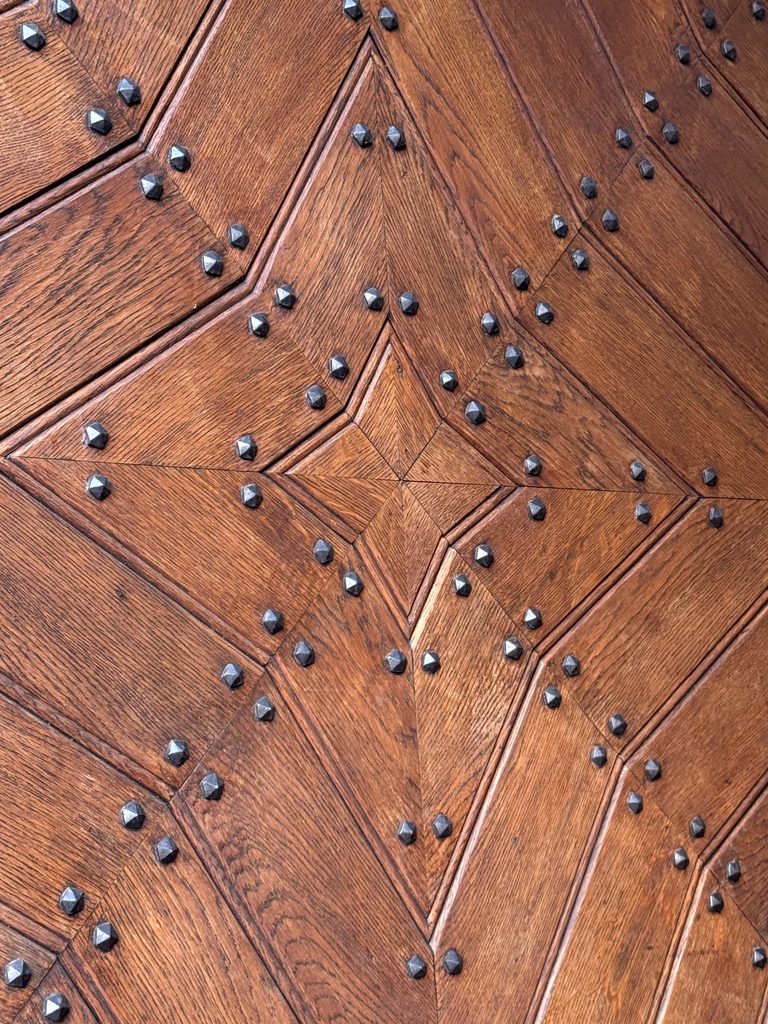
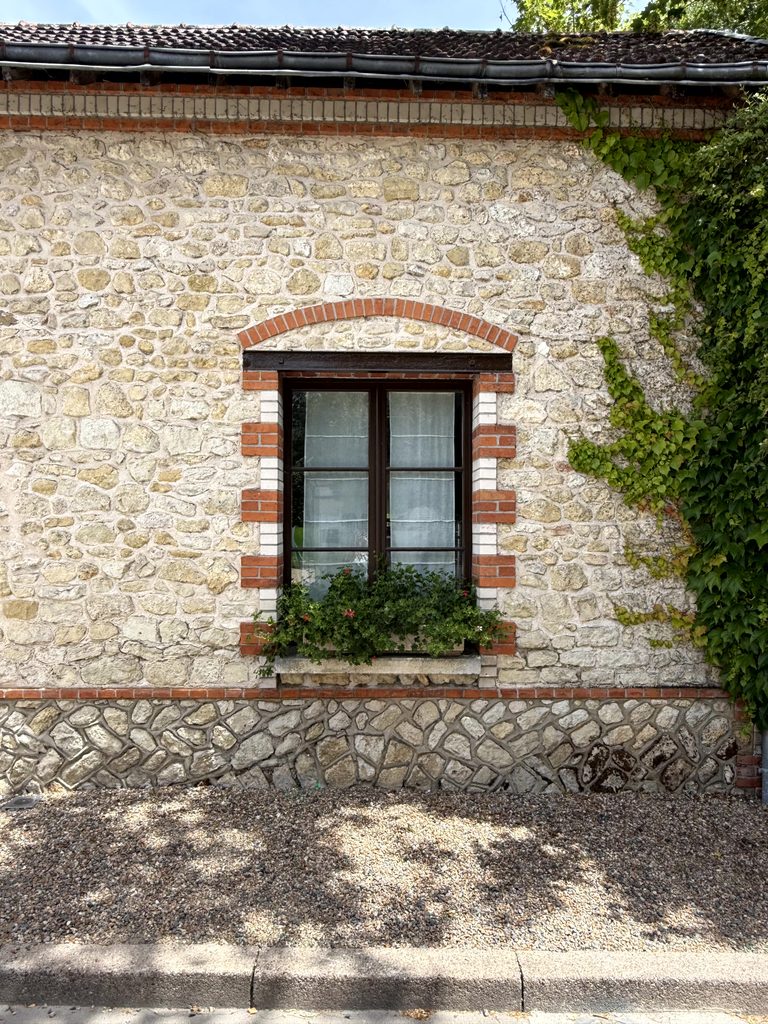
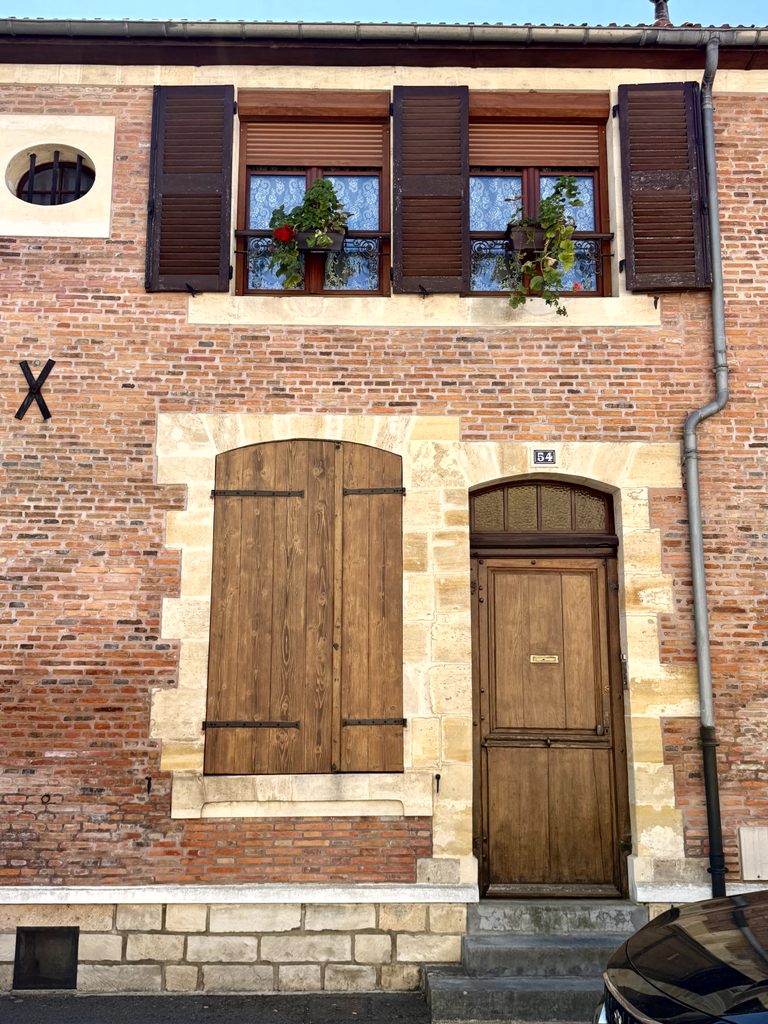
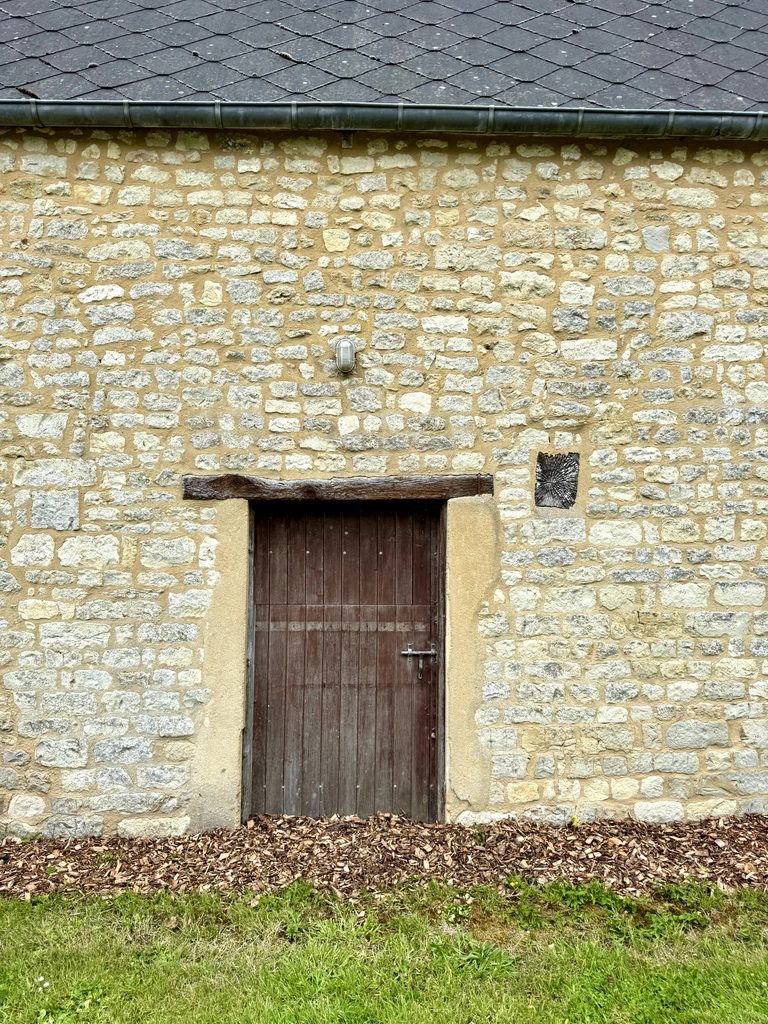
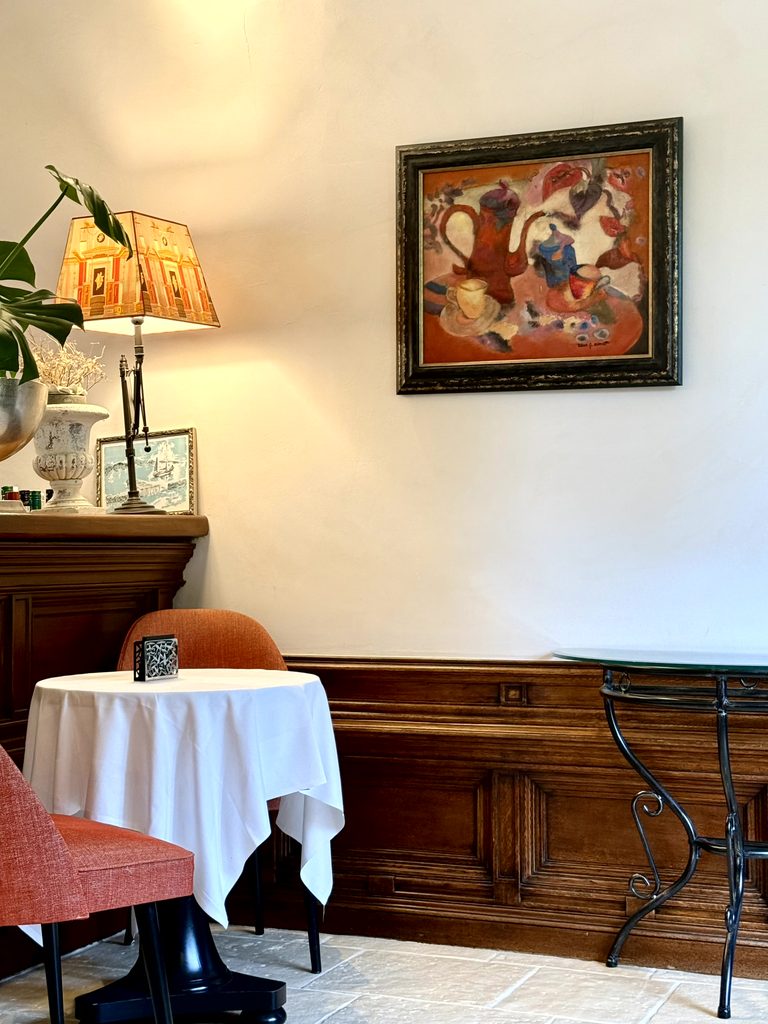
One thing Europe does exceptionally well is allow materials to simply be beautiful. Stone looks like stone. Wood is allowed to age. Brick varies in color. Plaster isn’t always perfectly smooth. Iron develops a finish that could never quite be recreated in a factory. There is an honesty to it that I love.
So often in interior design, we talk about adding interest to a room. But sometimes the most interesting decision is simply choosing a material with enough character that it doesn’t require much embellishment. A beautiful stone floor already has movement. Hand-finished wood brings warmth and variation. Natural plaster creates subtle depth as light moves across it. Even brick can become incredibly decorative through its color, texture, and installation.
When the materials are beautiful, they don’t need much help.
That doesn’t mean every home needs to look old—or rustic. Quite the opposite. Natural materials are just as compelling in clean, contemporary interiors. The key is allowing their inherent variation and texture to become part of the design rather than trying to make everything look perfectly uniform. For me, that is one of the foundations of creating timeless interiors: start with materials worth looking at.
Pattern Is Everywhere—If You Look for It
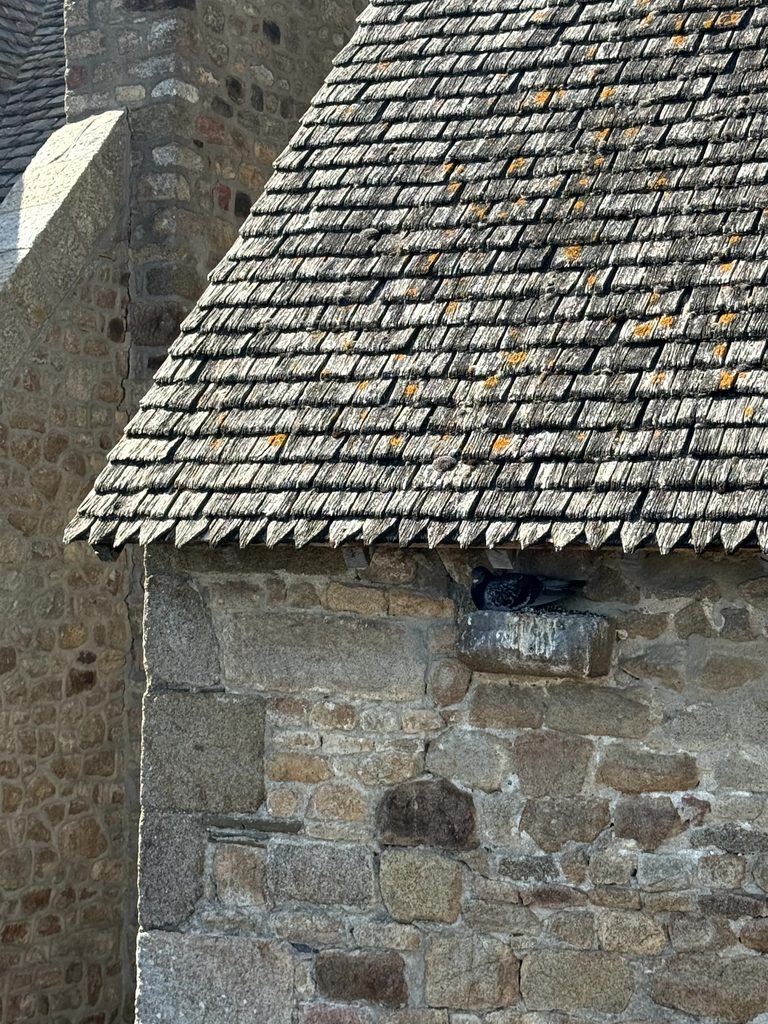
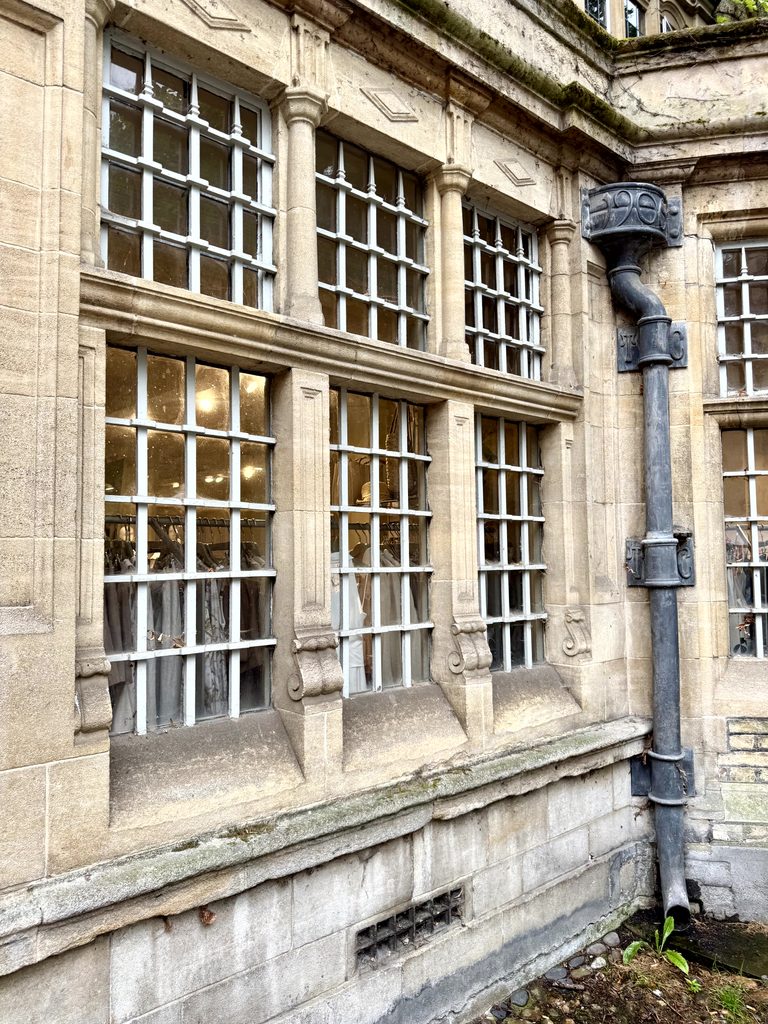
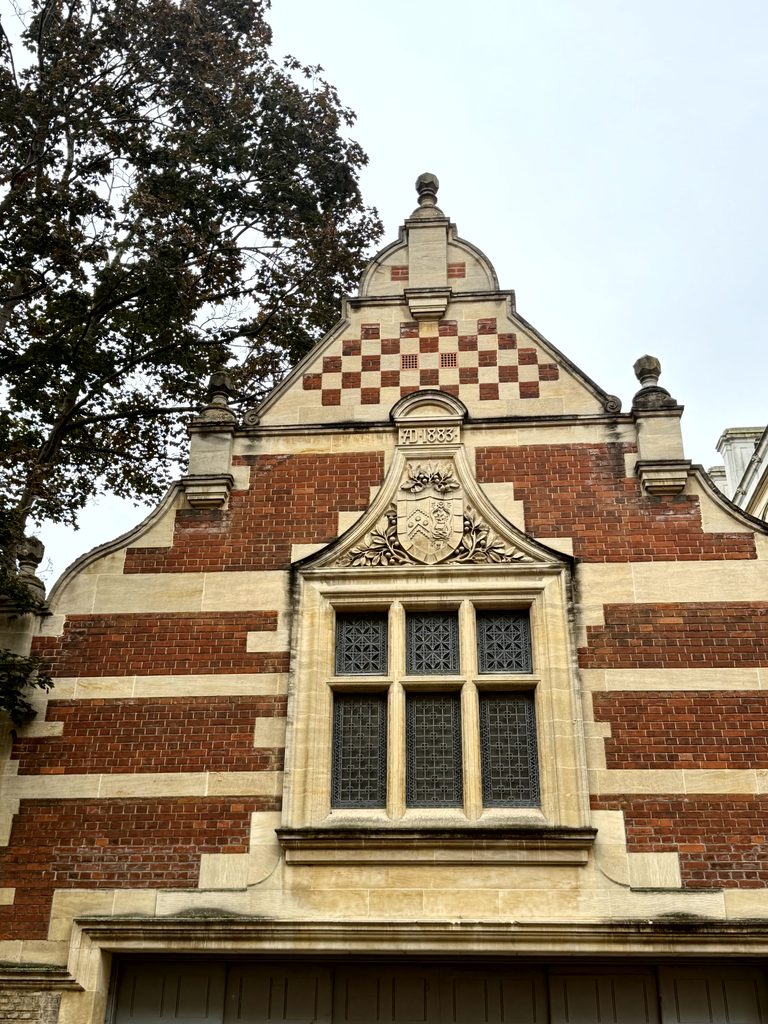
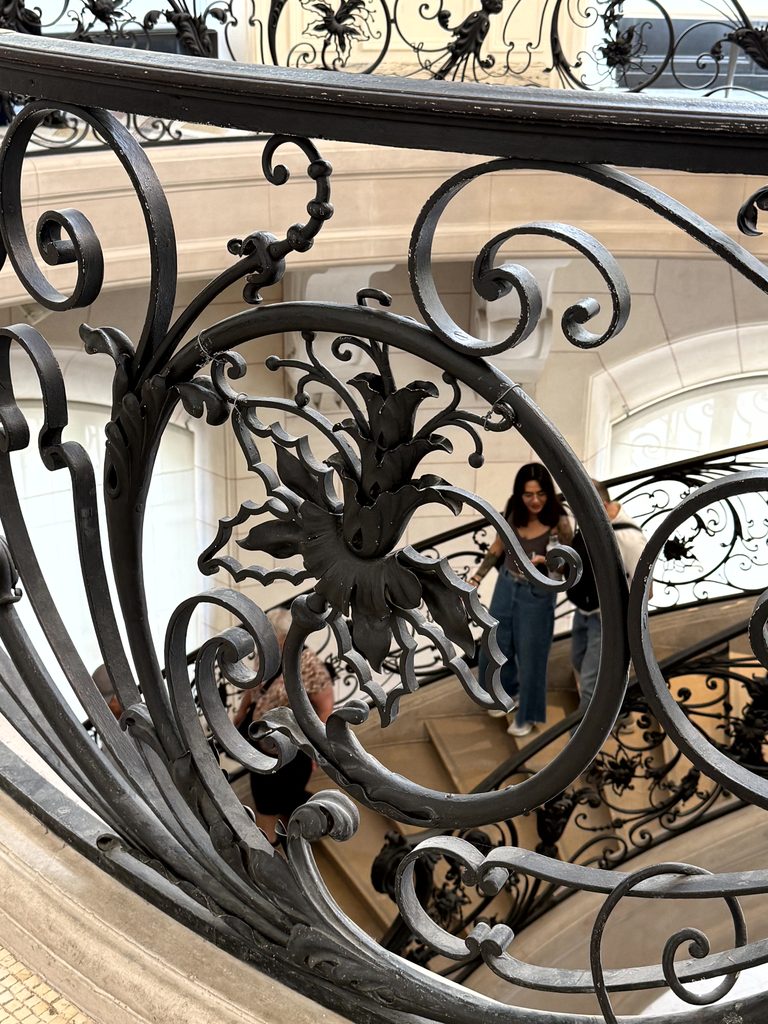
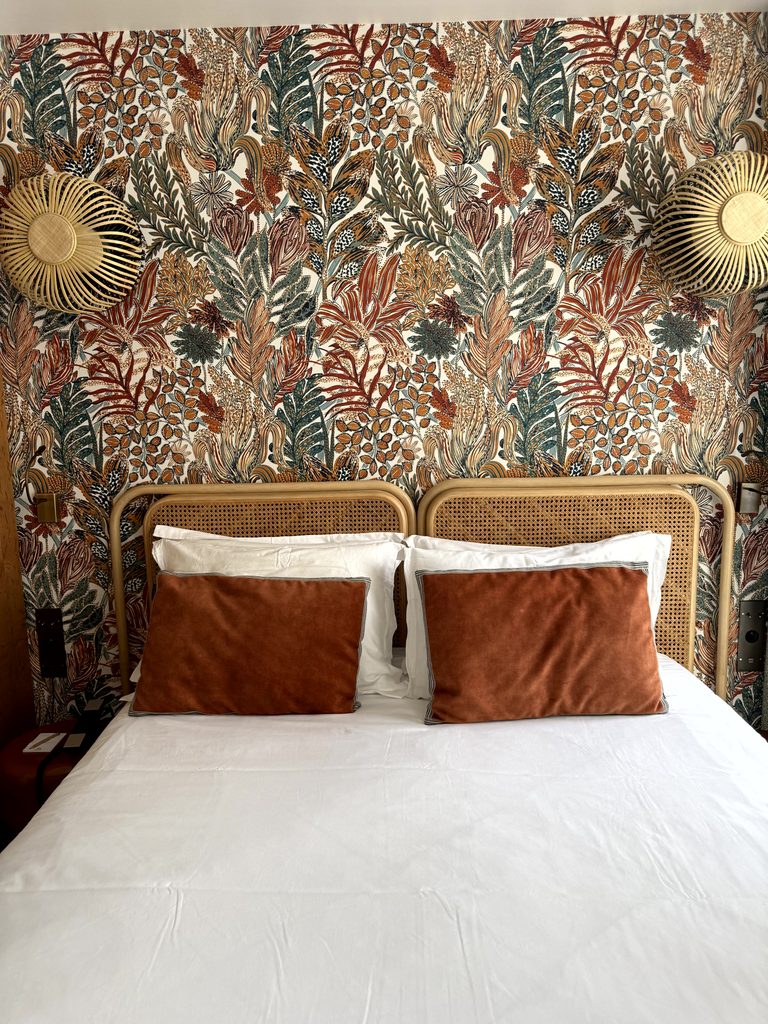
I apparently spent an extraordinary amount of time in Europe photographing patterns. Not just wallpaper or fabric, but brick, shingles on roofs, sidewalk pavers, windows, ironwork, floors, and ceilings.
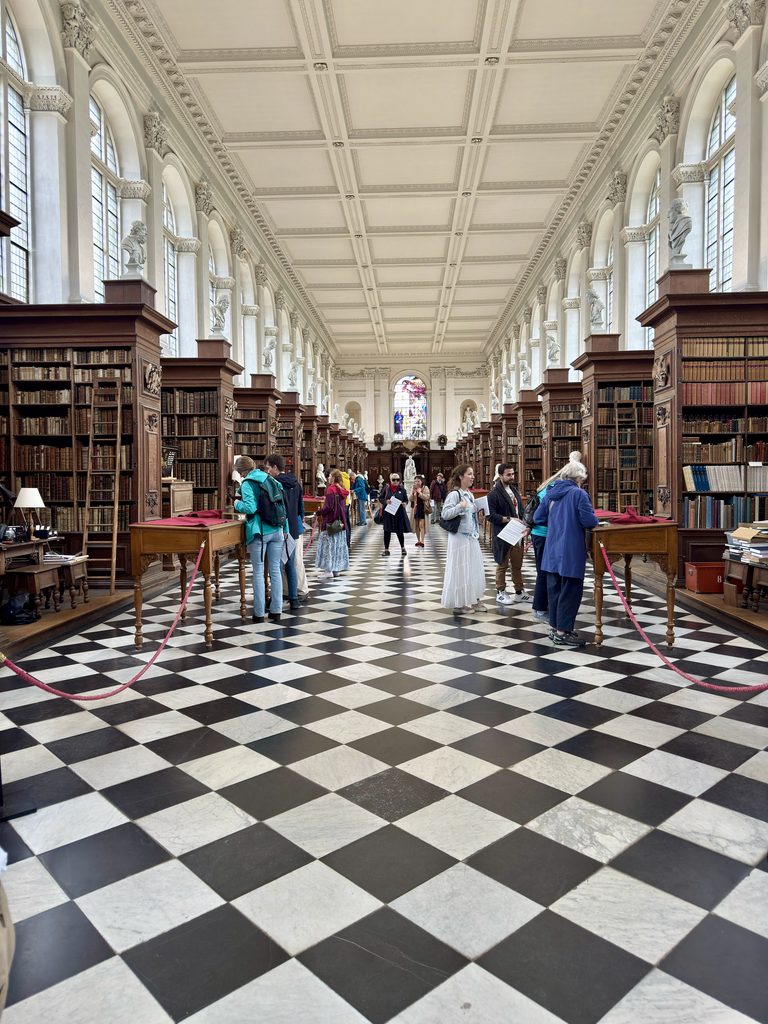
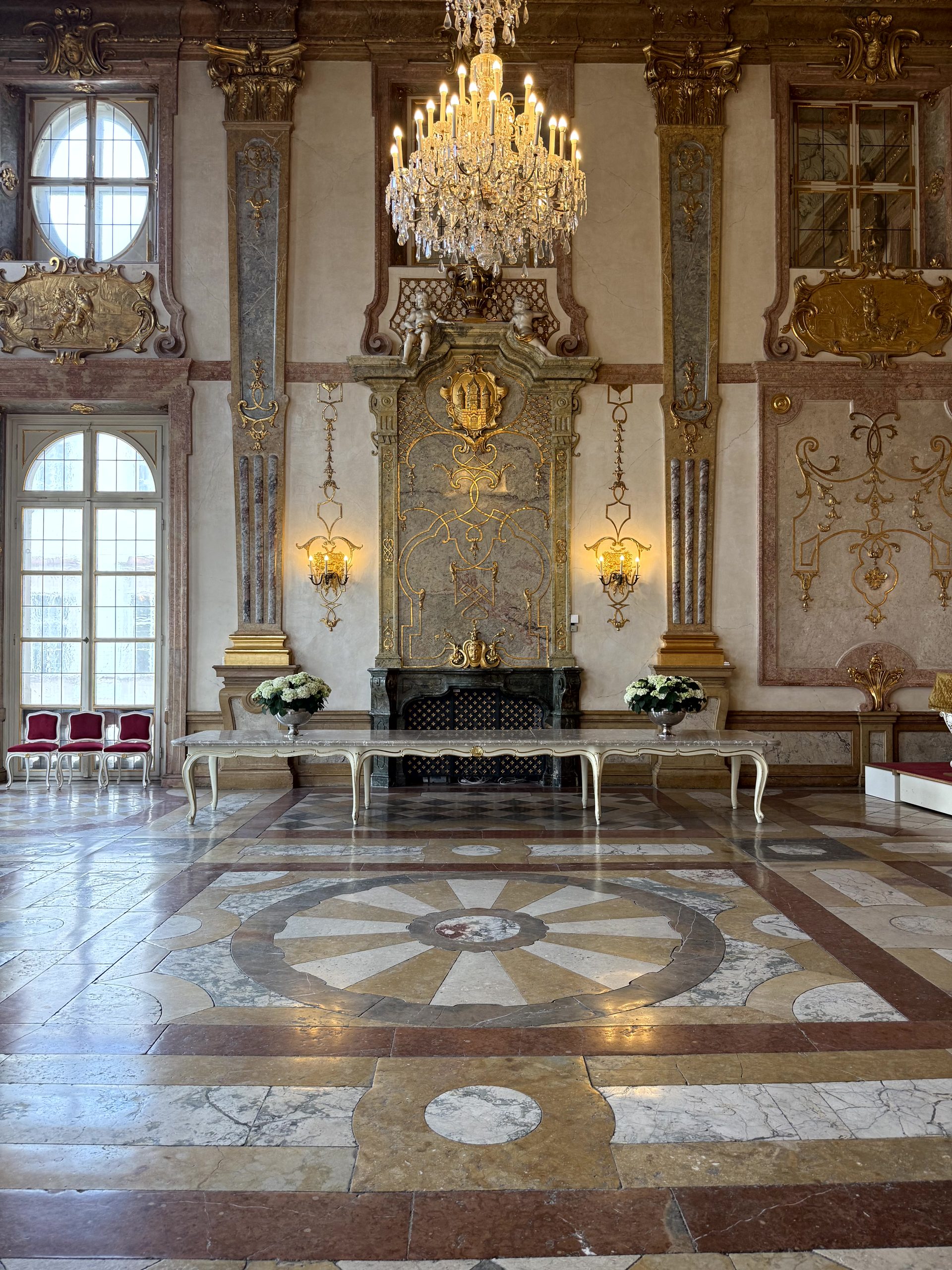
A checkerboard stone floor establishes the rhythm of an entire room. A herringbone brick layout turns an ordinary building material into something graphic. Rows of slate create movement across a roof. Pattern isn’t just for soft goods, it’s often built into the architecture.
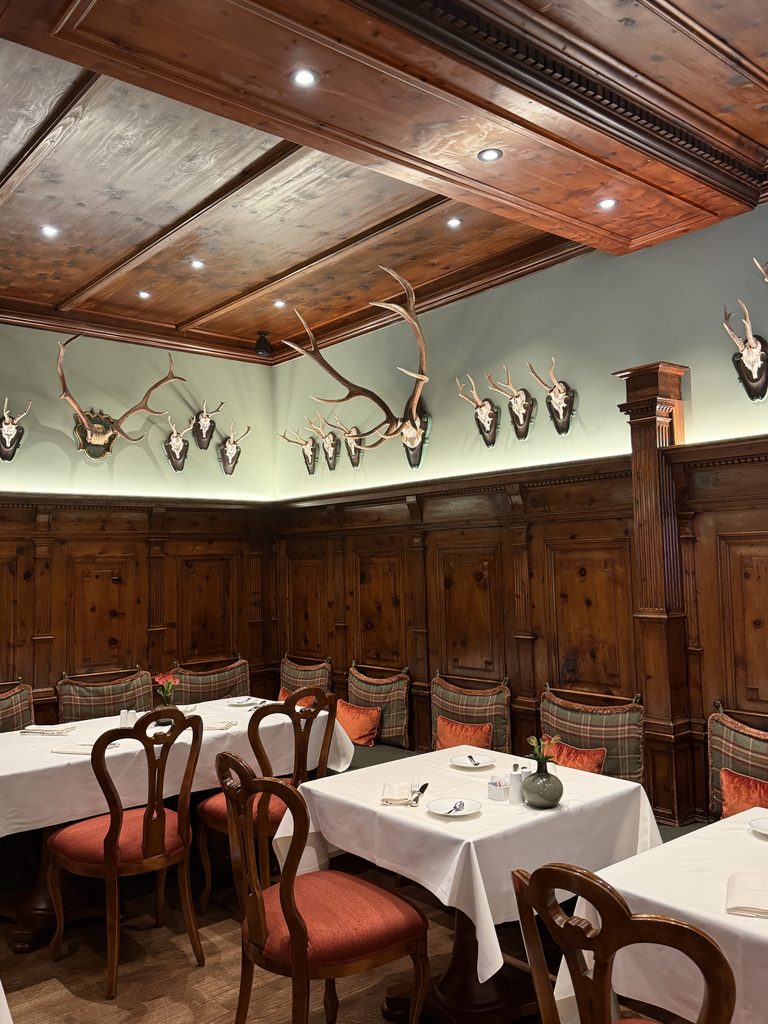
The way hardwood flooring is installed, the layout of tile, wainscot panels, the rhythm of lighting down a hallway, or even the spacing of millwork can introduce pattern. It is one of the reasons I love details like grain matching, stone layouts, and carefully planned millwork. When those decisions are made thoughtfully, even the simplest room has movement and depth.
Good Design Rewards Looking Closer
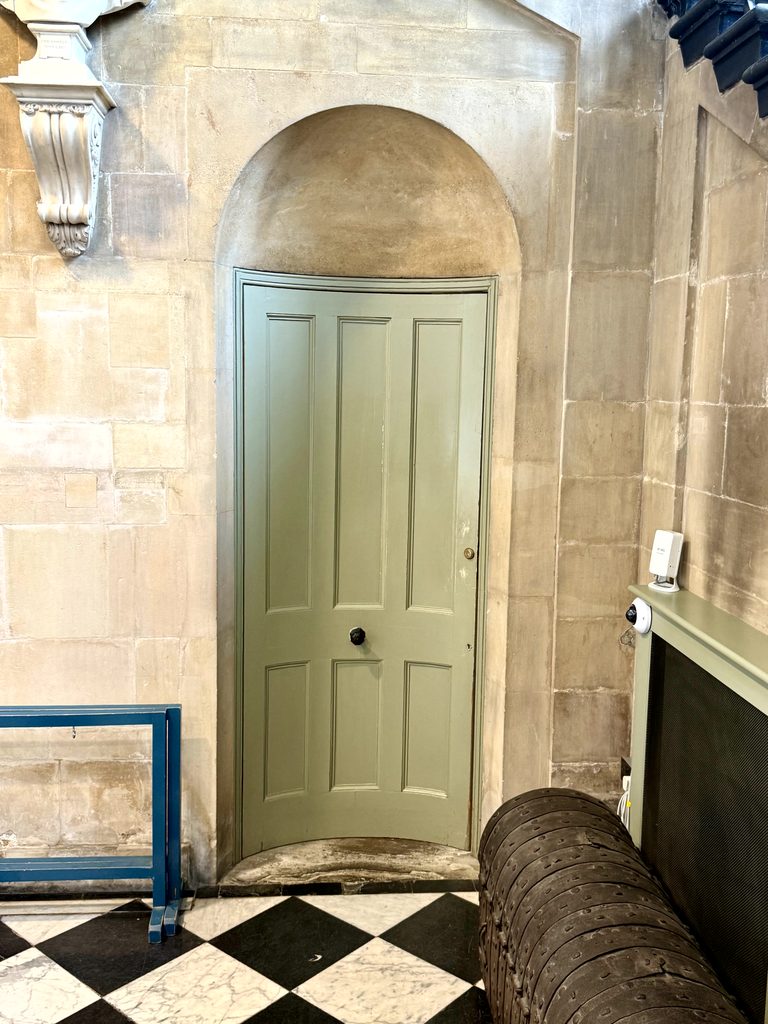
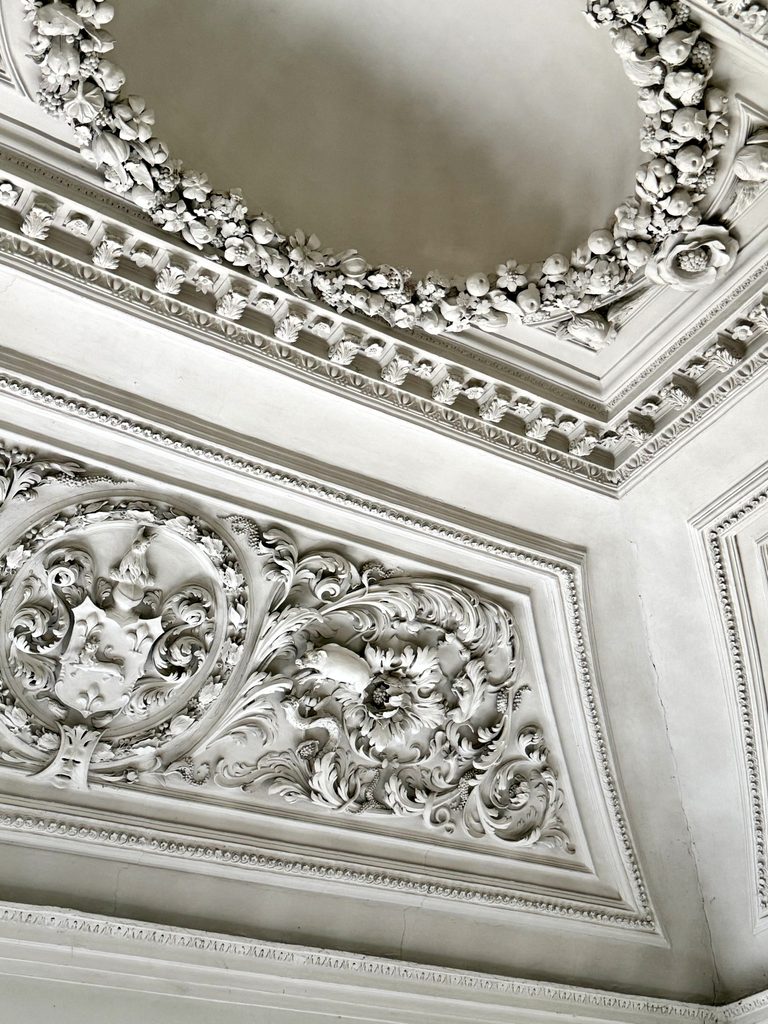
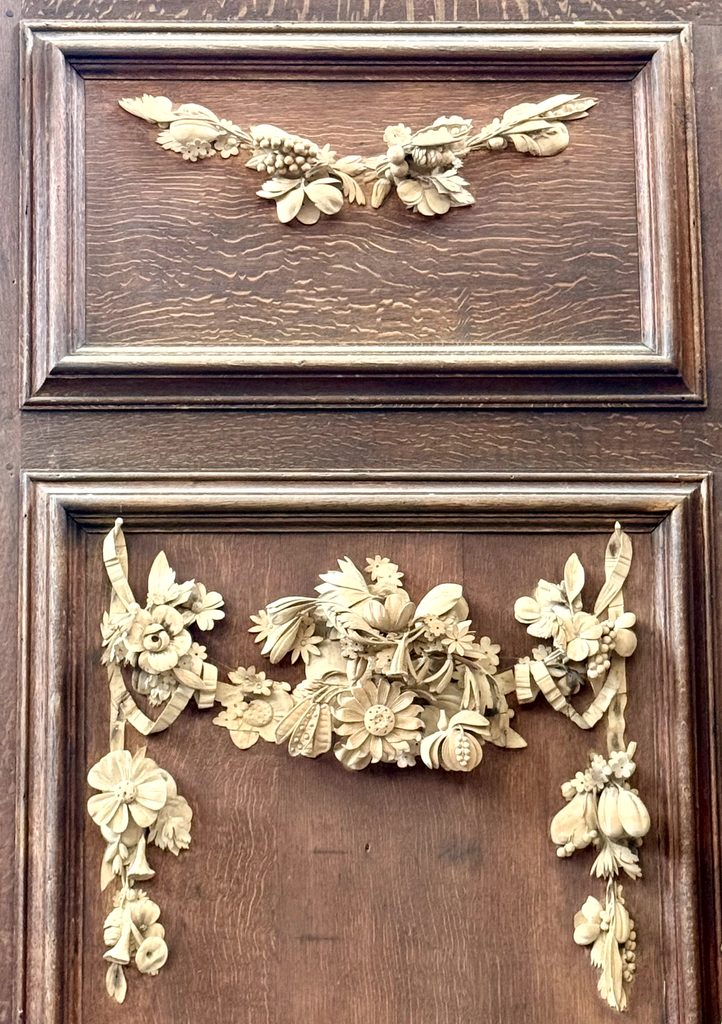
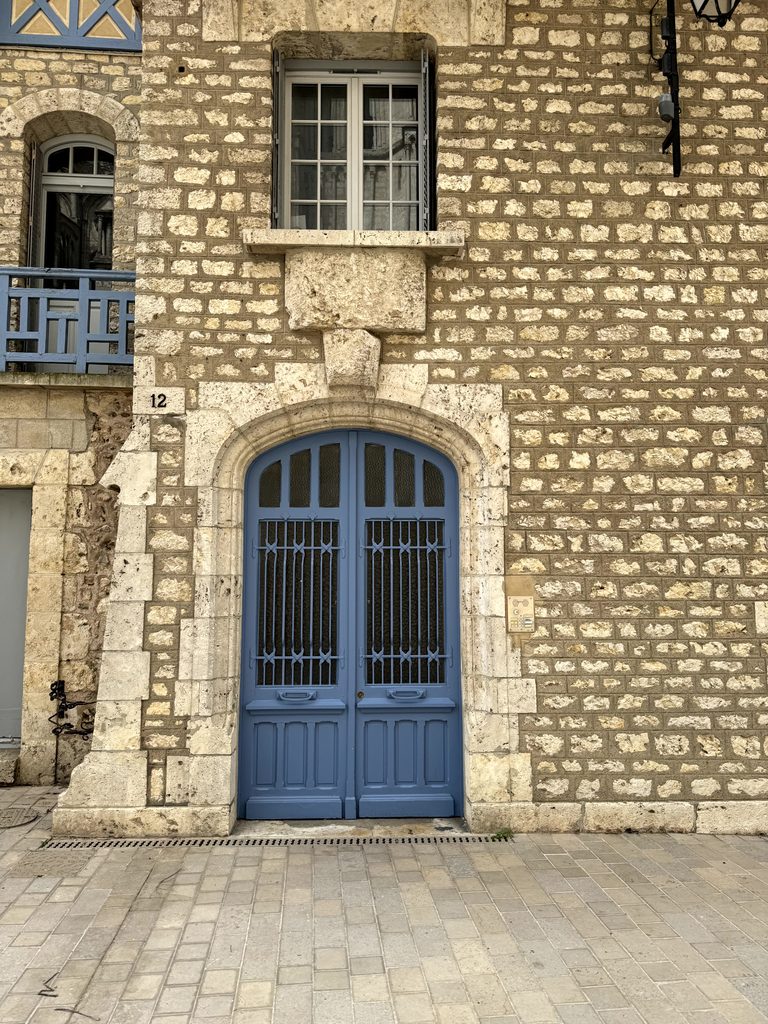
Some of my favorite photographs from this trip are of things most people probably walked right past: a carved stone detail, a copper rain gutter, an unusual bracket, a transition between two materials. None of these details necessarily define a space on their own. Together, however, they create the impression of craftsmanship and permanence. That is something I think about constantly in my own work.
The most successful interiors are rarely about one dramatic decision. They are the result of hundreds of smaller ones: the thickness of a countertop edge, the profile of a cabinet door, how two materials meet, the scale of the hardware, the placement of a light fixture, the way a piece of millwork terminates.
Most people may never consciously notice every one of those decisions. They definitely notice how the finished room feels. The smallest details often have the biggest cumulative effect. Europe was a wonderful reminder that craftsmanship gives a space a sense that someone cared enough to get the details right.
Nature Is Part of the Architecture
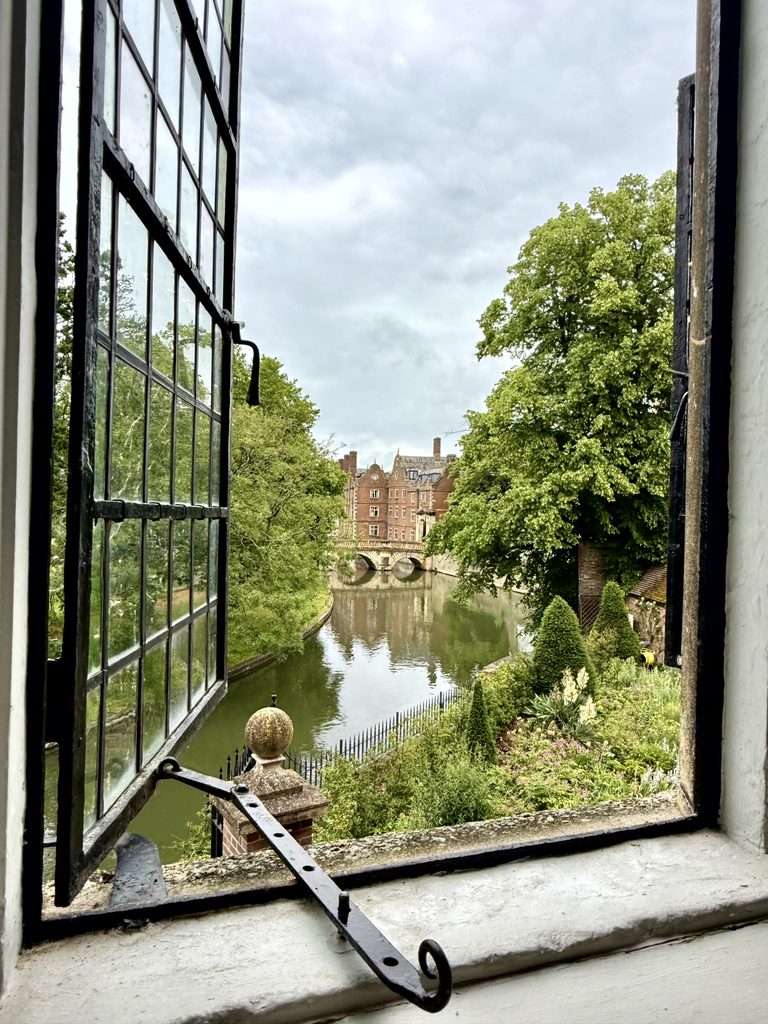
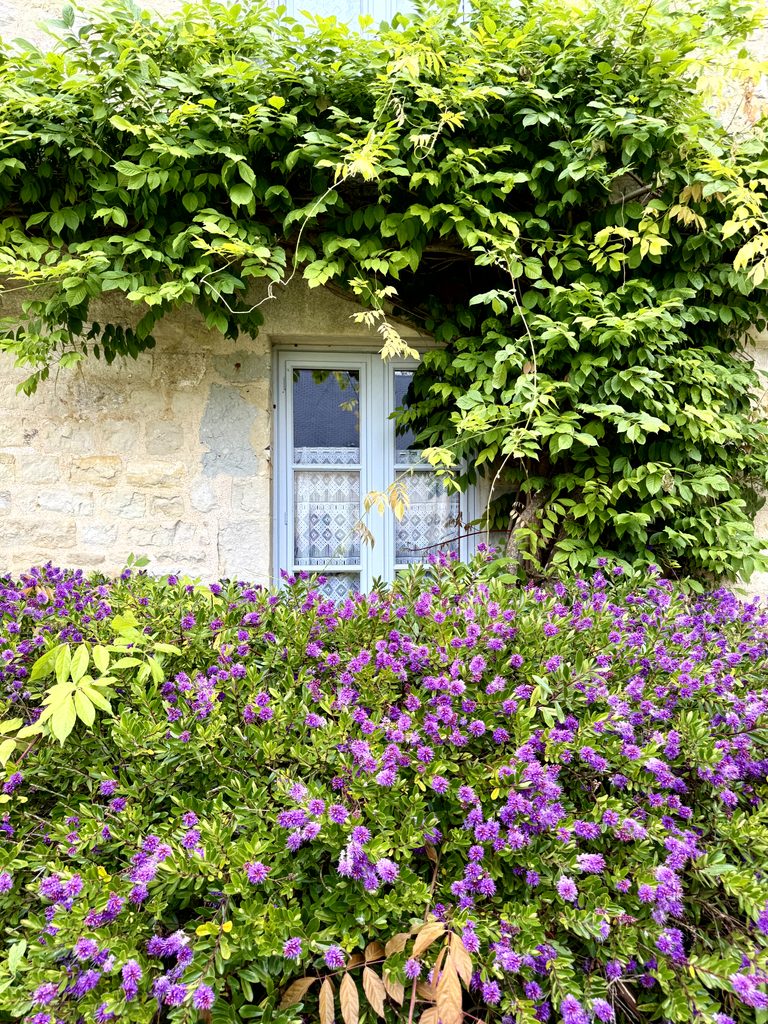
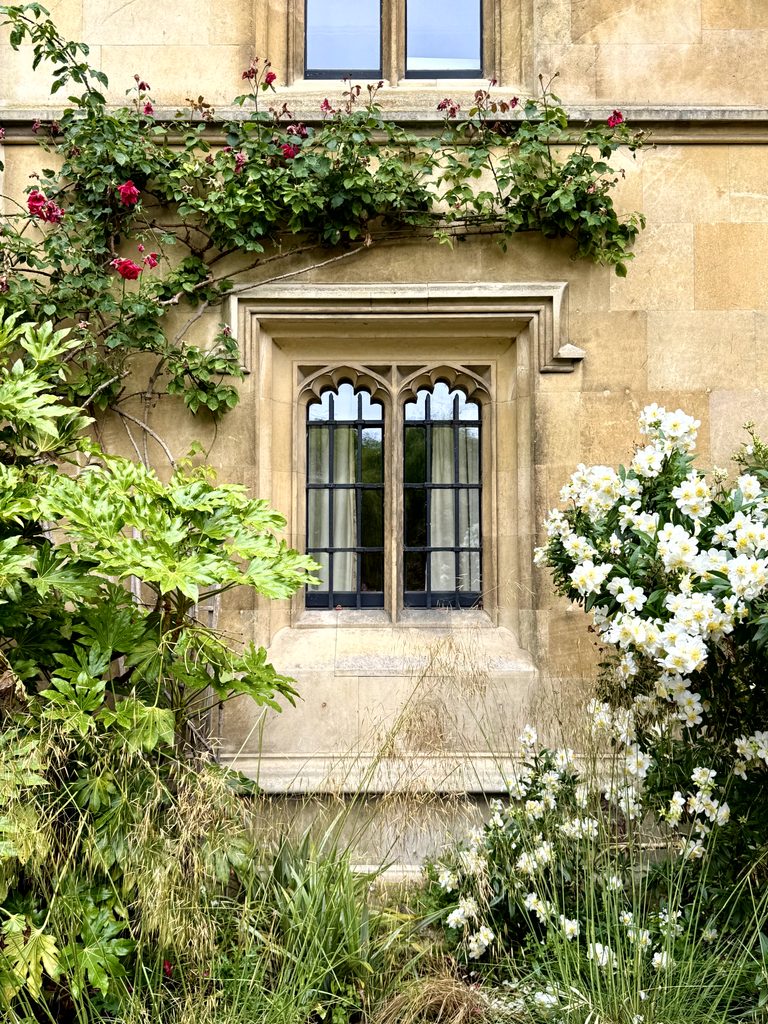
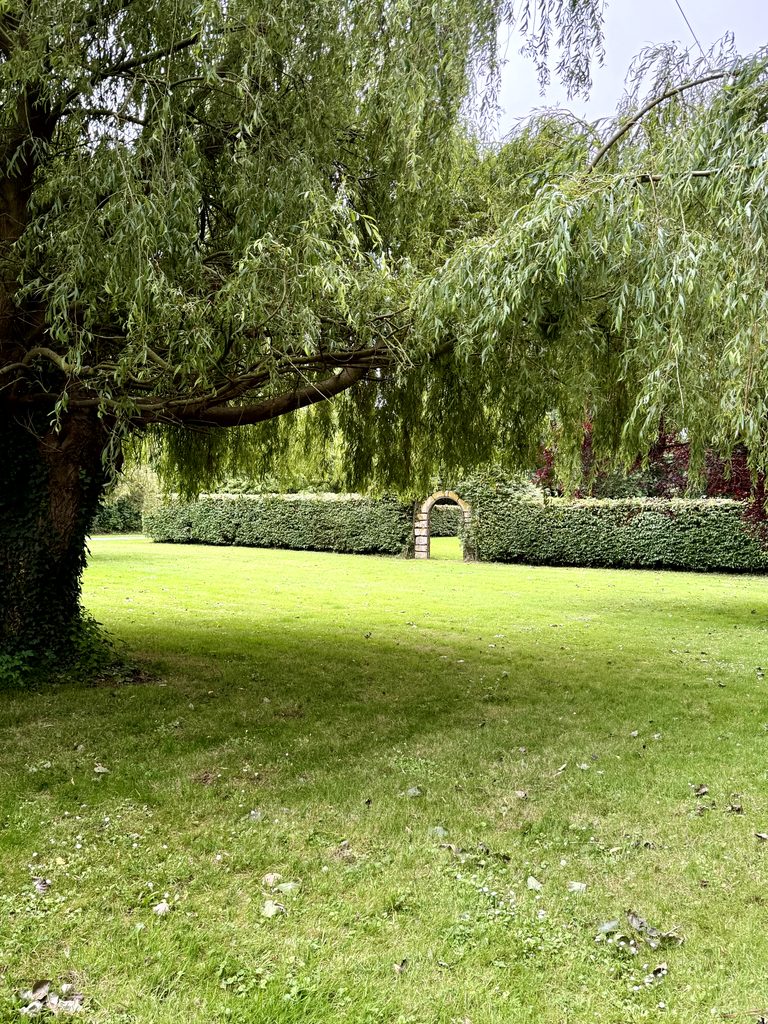
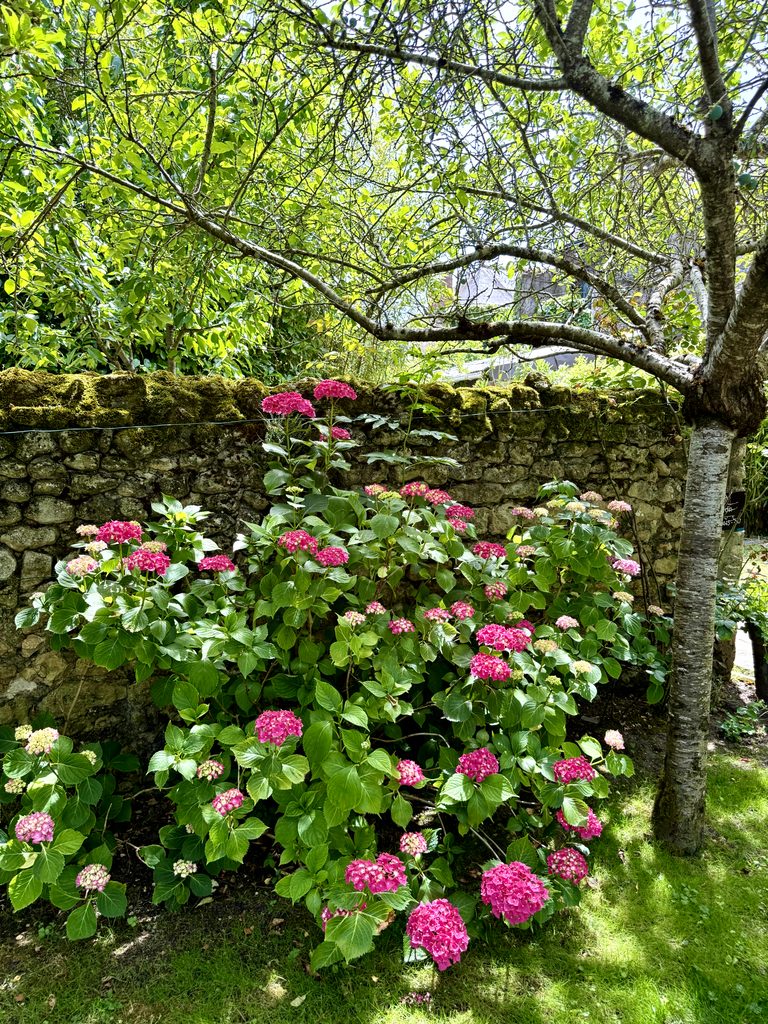
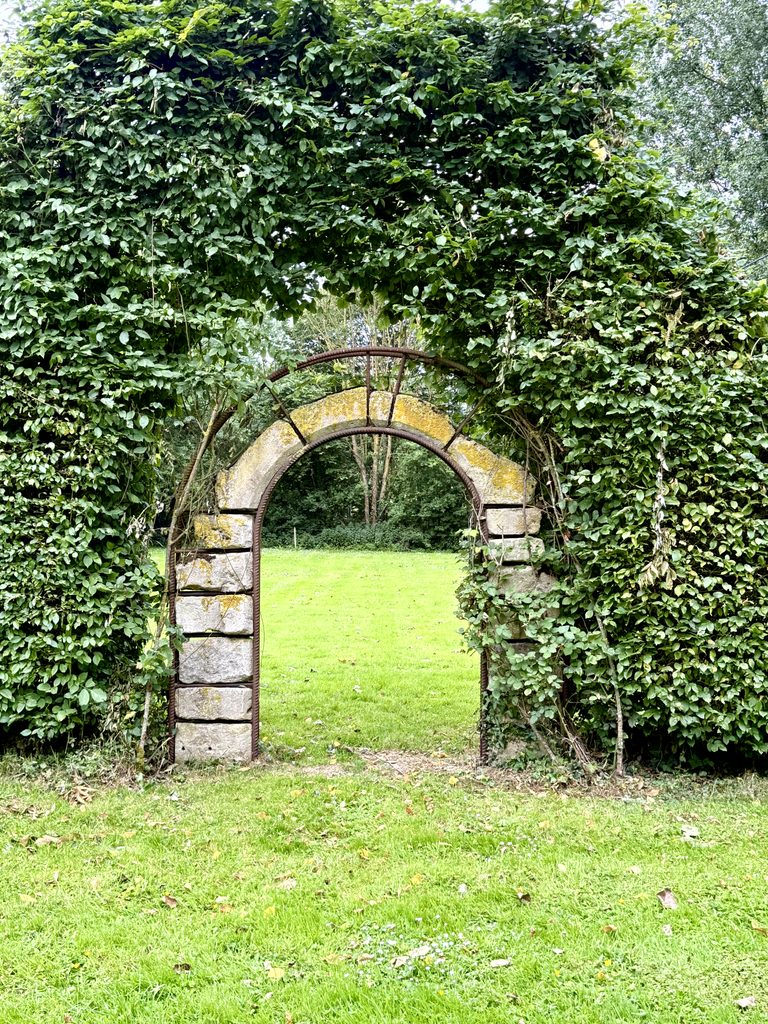
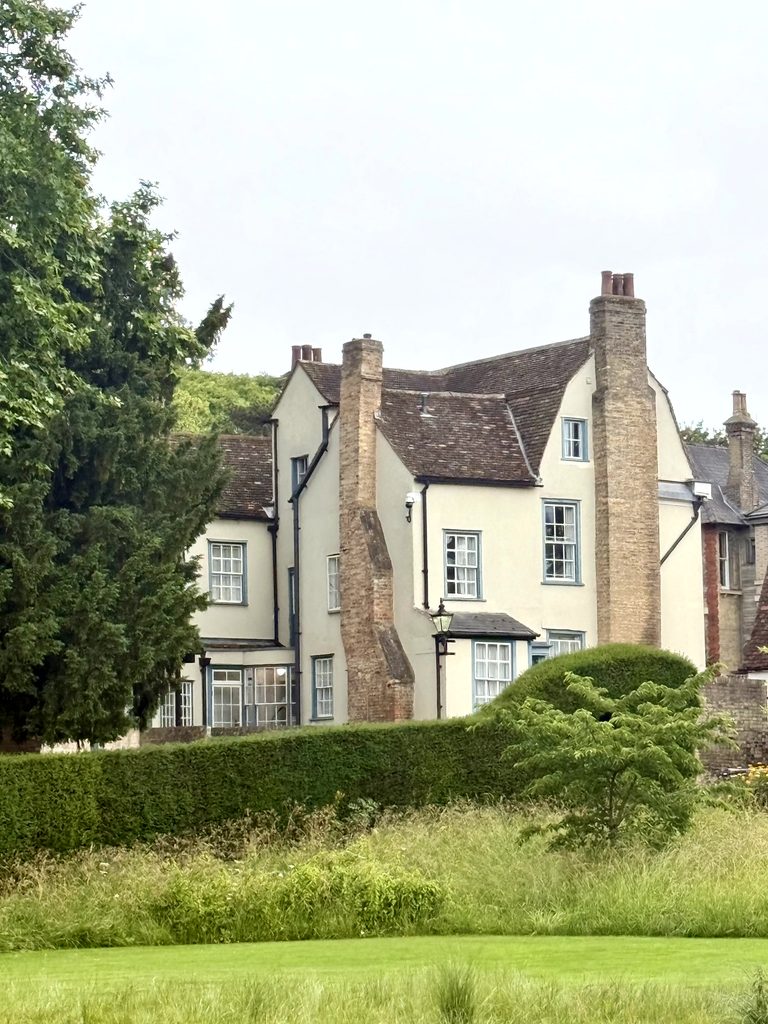
Another recurring theme in my photographs surprised me: how often I was photographing buildings and landscape together. Vines climbing over brick walls. Trees framing windows. Formal hedges against centuries-old stone walls. Loose, almost wild plantings softening something much more structured.
The landscape never felt like an accessory to the building. It felt integral to it. I love that idea for residential design because a home doesn’t stop at the exterior wall. The view from a window is part of the room. So is the terrace outside the French doors. The materials selected for an interior influence how it relates to the landscape beyond it. Architecture, interiors, and exterior spaces are at their best when they feel as though they were conceived together.
It doesn’t require a grand European garden. Sometimes it is simply recognizing a beautiful existing tree and orienting a room toward it. Choosing an exterior material that relates naturally to the surroundings. Creating a sightline through the house toward something green. Those relationships can completely change how a home feels.
A Home Should Give You a Sense of Place
More than anything, Europe reminded me how much I value a strong sense of place. A small French village feels unmistakably French. Normandy has its own materials and architecture. Salzburg feels entirely different. Roof pitches change. Windows change. Stone changes. Planting changes. These places aren’t trying to look like everywhere else. And that may be the most important design lesson I brought home.
There is so much visual information available to us now that it is incredibly easy for homes to begin looking alike. We often see the same kitchens, the same furniture, the same finishes repeated online regardless of whether the house is in South Carolina, New York, California, or somewhere in the mountains. But the homes I find most compelling have context. A lake house should respond to the water. A mountain house should respond to its landscape and materials. A historic home deserves a different conversation than a contemporary new build. And every home should ultimately reflect the people who live there.
The goal isn’t to recreate a French farmhouse in Greenville simply because you loved one on vacation. It is to ask why you loved it. Was it the natural stone? The imperfect plaster? The beautiful proportions? The way the garden softened the architecture? The feeling that the building belonged exactly where it was? Those ideas can be translated without being copied. The best spaces don’t feel imported. They feel rooted.
Bringing the Inspiration Home
Travel always changes the way I see things. Sometimes I come home inspired by a specific color combination or material. Other times, as with this trip, the takeaway is broader. Europe reminded me to value real materials. To look more closely and to think about pattern beyond textiles. To allow age and imperfection to add character. To consider the landscape as part of the interior experience.
And above all, to create spaces that feel connected to their architecture, surroundings, and the people who inhabit them. Those principles aren’t particularly European. They are simply principles of good design. And with several hundred photographs still waiting to be sorted, I have a feeling Europe has a few more design lessons to share.
continue reading
Earlier this year, I shared the story behind a trip I had dreamed about for years: traveling through Europe with my dad, my son Nils, and my nephew Jack to follow pieces of our family’s World War II history. At the time, we had journals, military records, family stories, and a carefully mapped itinerary. We knew where we hoped to go and why those places mattered. Read about the planning and background here.
What I couldn’t fully anticipate was how different those stories would feel once we were standing in the places where they happened.
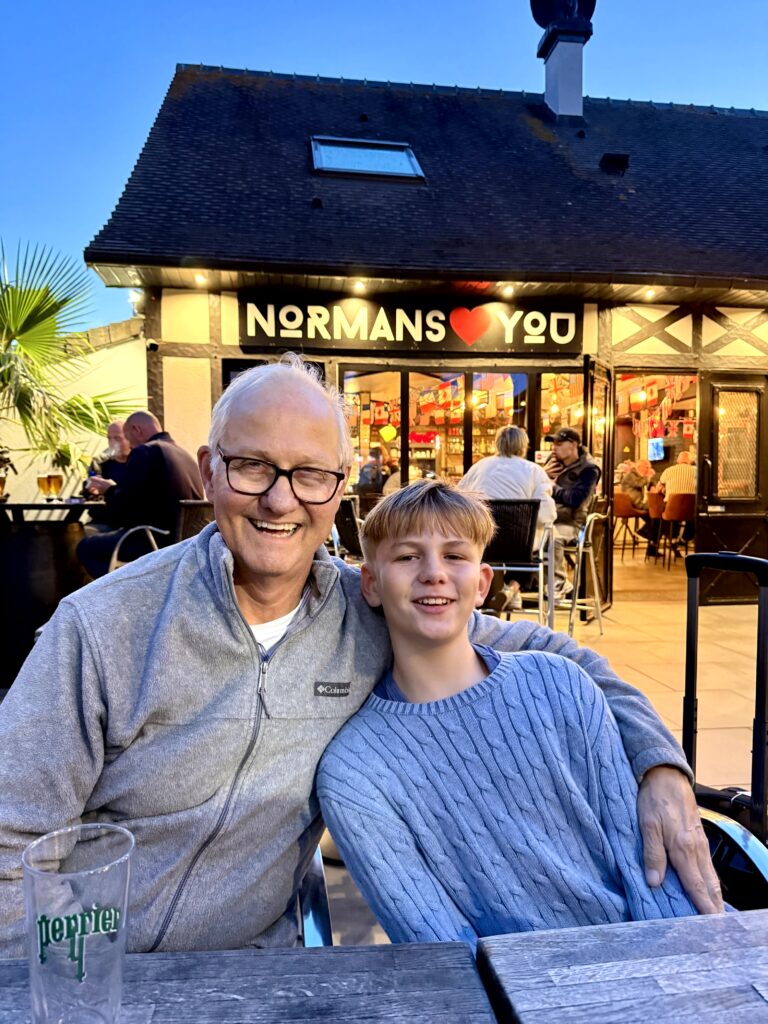
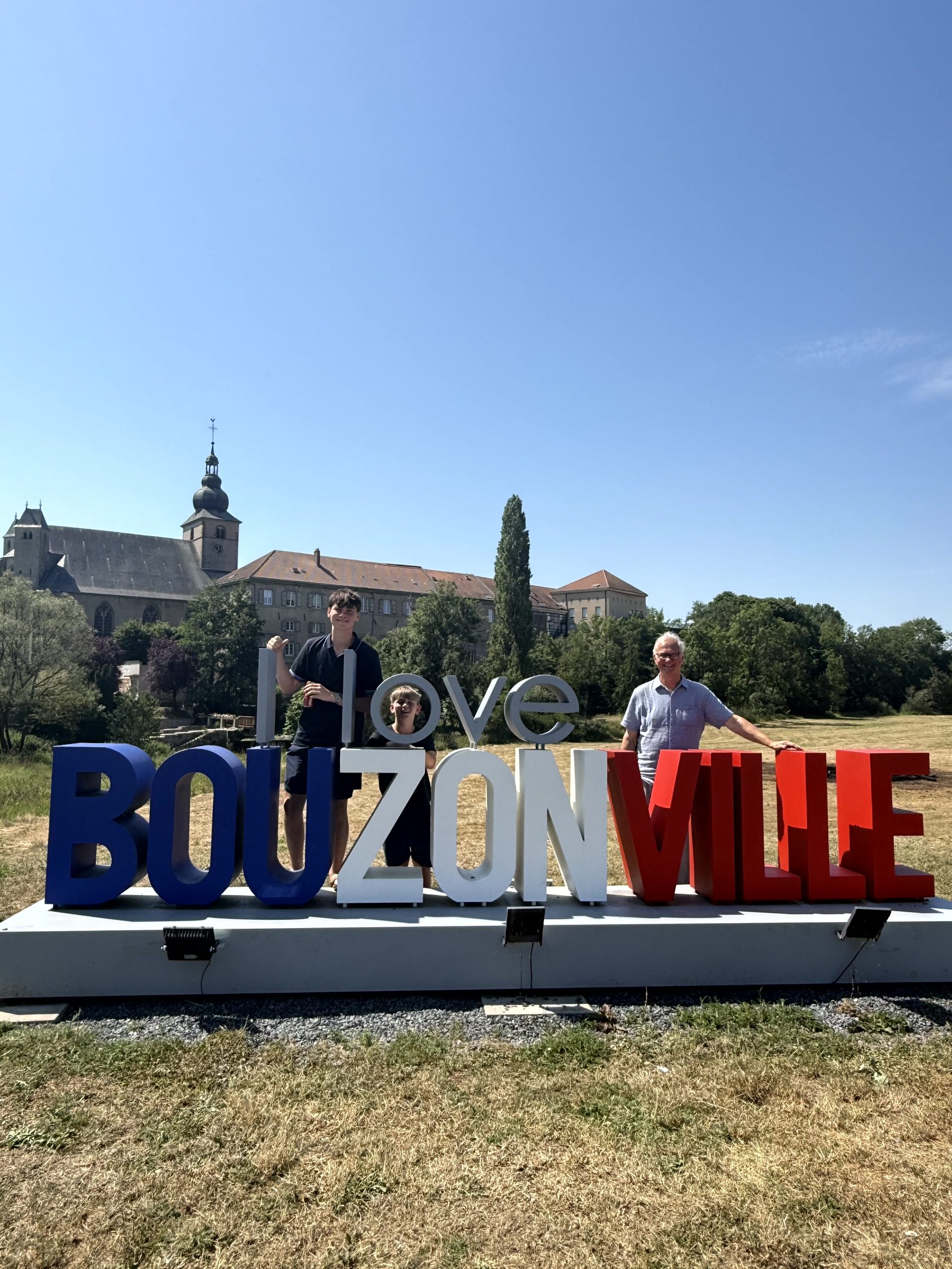
Over nearly three weeks, we traveled from London across the English Channel and through France, Belgium, Luxembourg, Germany, and Austria. We visited some of Europe’s most significant World War II sites—but some of the moments that stayed with me most happened in tiny villages with no museum, memorial, or obvious reason for a tourist to stop. We were simply there because someone in our family had once been there too.
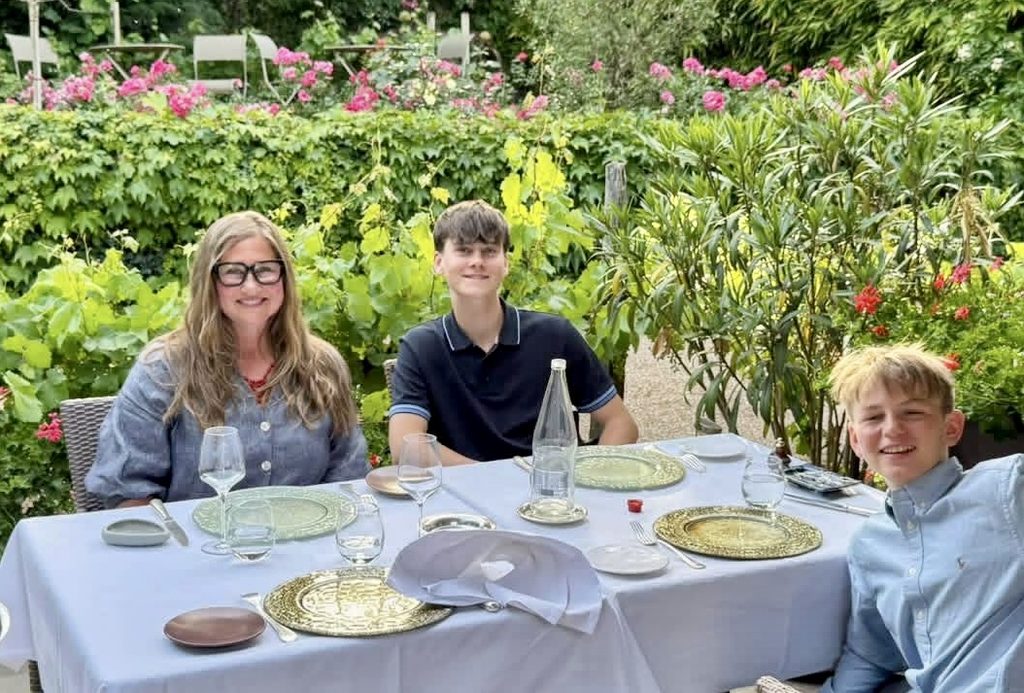
Following Grammy’s Route Through Europe
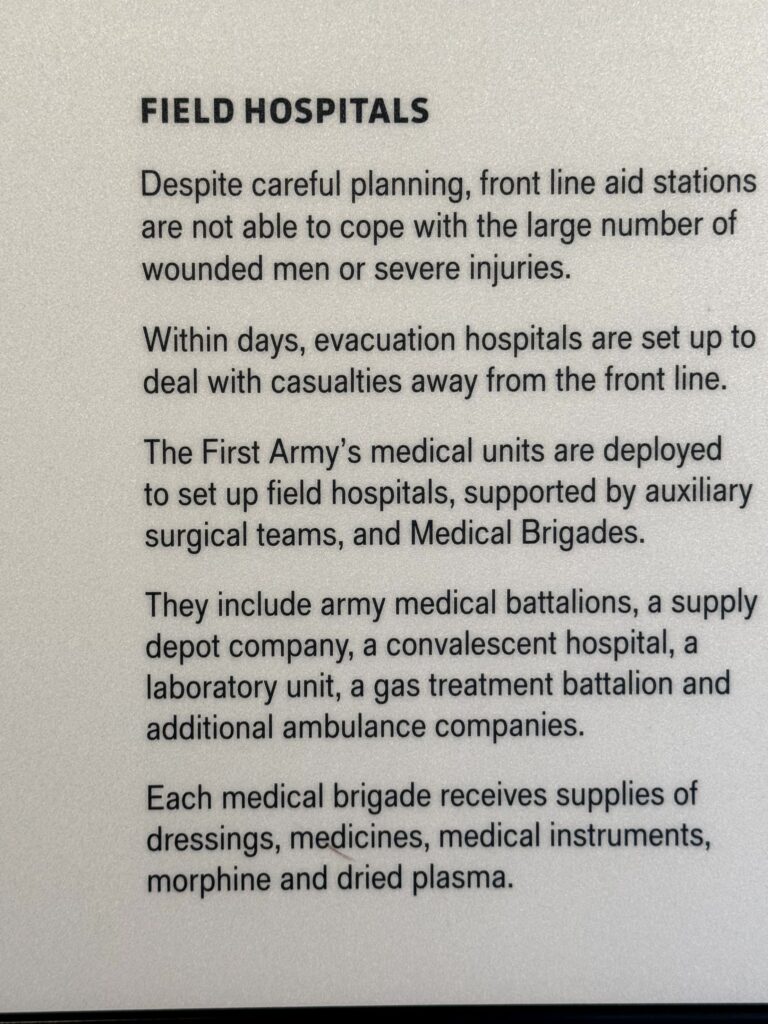
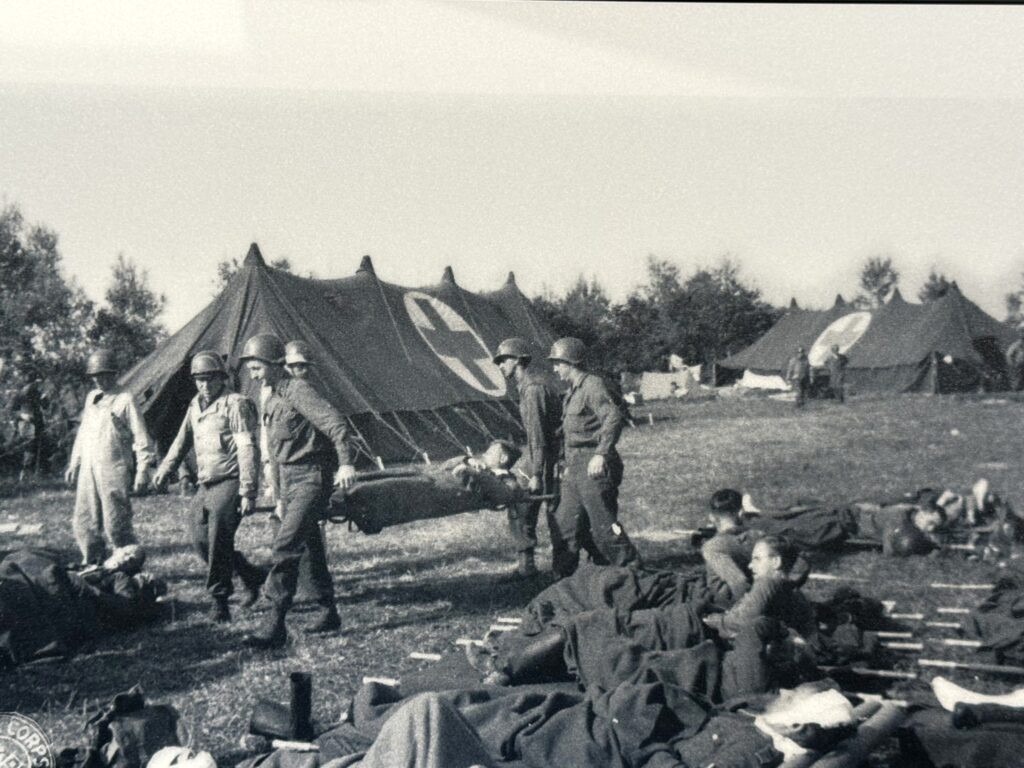
My grandmother, Synneva Larson—Grammy—served as a nurse during World War II under General Patton with the 12th Evacuation Hospital. Because she left us a detailed memoir, we were able to closely trace much of her movement through Europe.
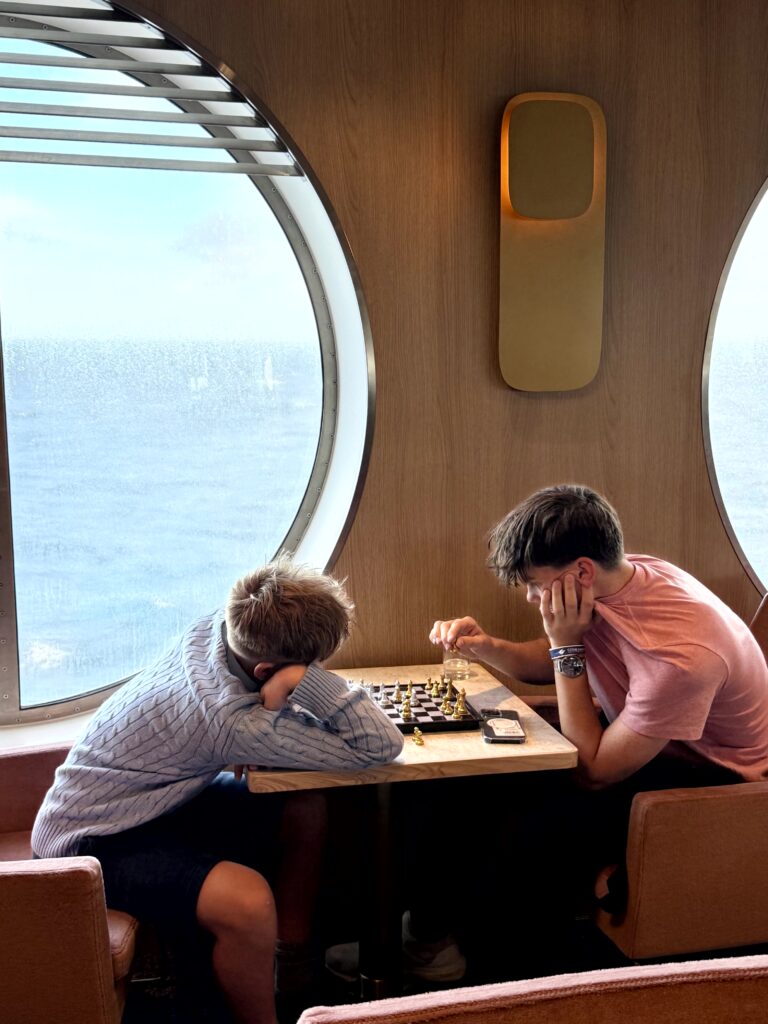
Crossing the English Channel by ferry was our first major connection to her journey. From there, as we made our way through France and farther east, we stopped in a number of the towns she had documented. Some were places anyone visiting WWII sites would recognize. Others were just small European villages, and those may have affected me most.
There was no plaque telling us what to think. No exhibit recreating what the town looked like in the 1940s. We would park the car, walk around, and try to imagine what it had been like when Grammy arrived there with the Army. You begin looking at ordinary things differently. The church in the center of town. A stone farmhouse. A narrow road. The distance between one village and the next. And the distance became one of the biggest revelations of the entire trip.
We covered an enormous amount of ground. Even in a nice car with air conditioning, comfortable seats, GPS, good roads, and the ability to stop for coffee and a croissant whenever we wanted, there were days when we were tired of driving. Then I would think about Grammy and the other men and women making those same movements in Army trucks, in wartime conditions, with none of our comforts—and often without knowing what awaited them at the other end.

Normandy and the Places We All Know
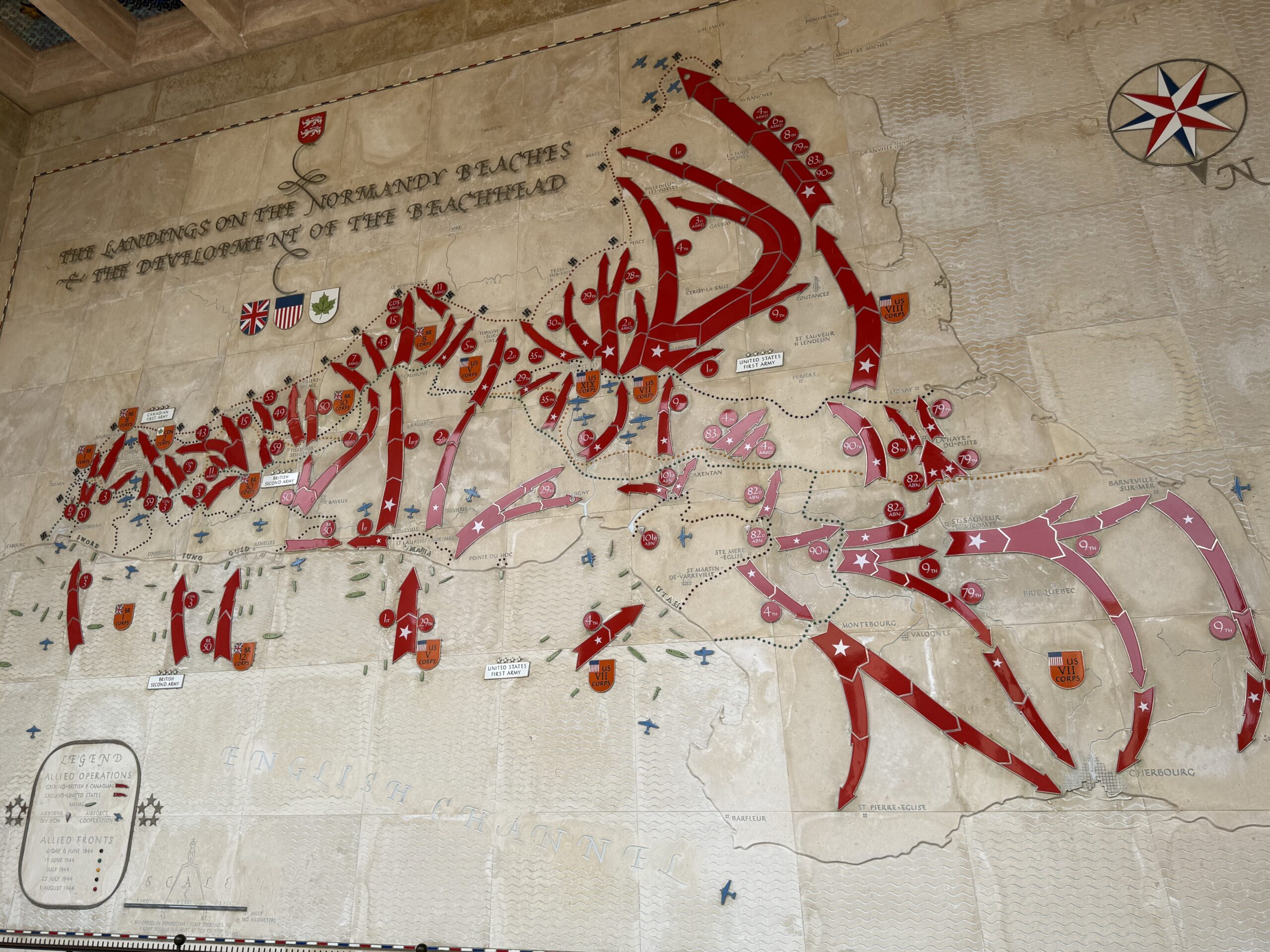
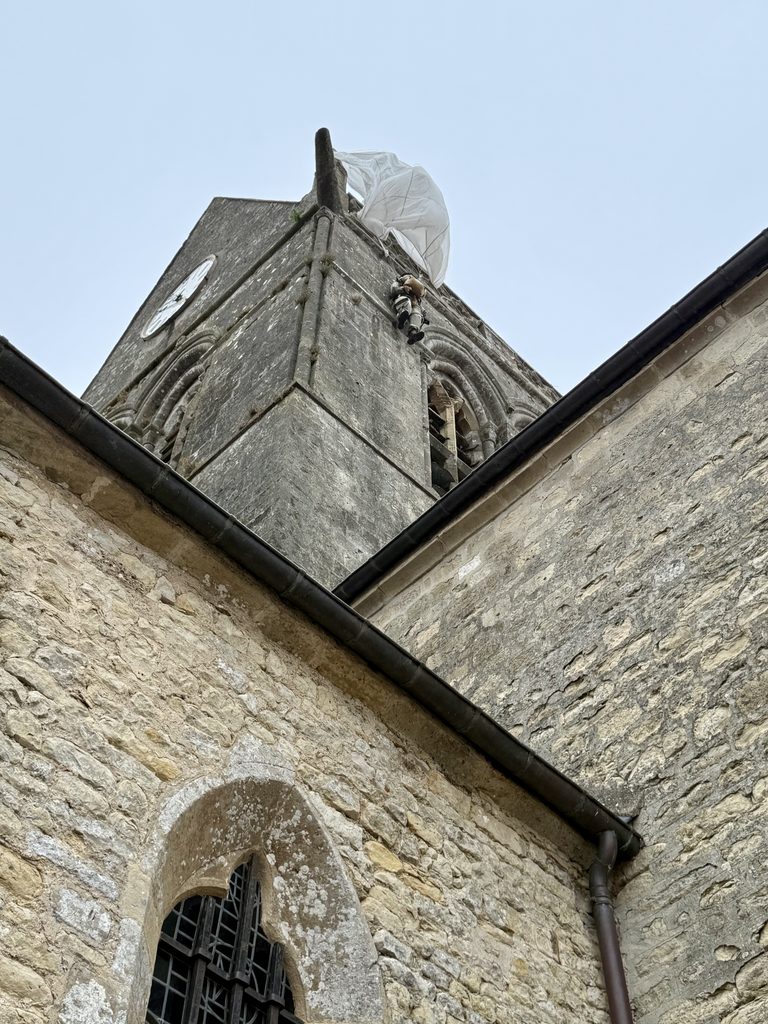
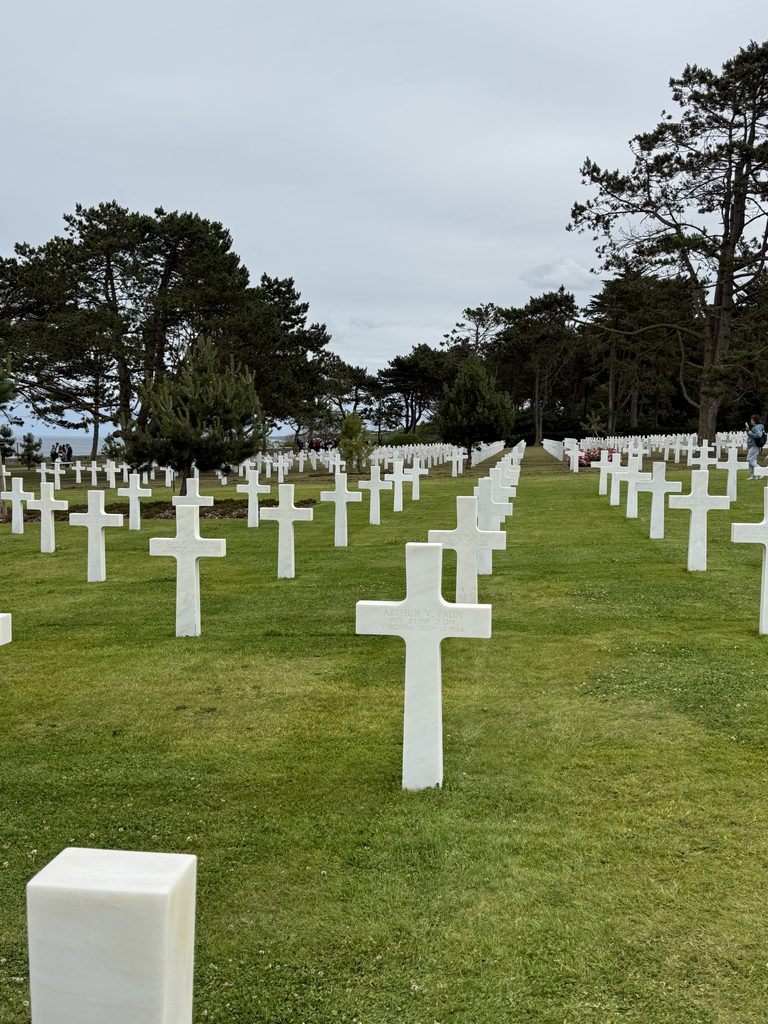
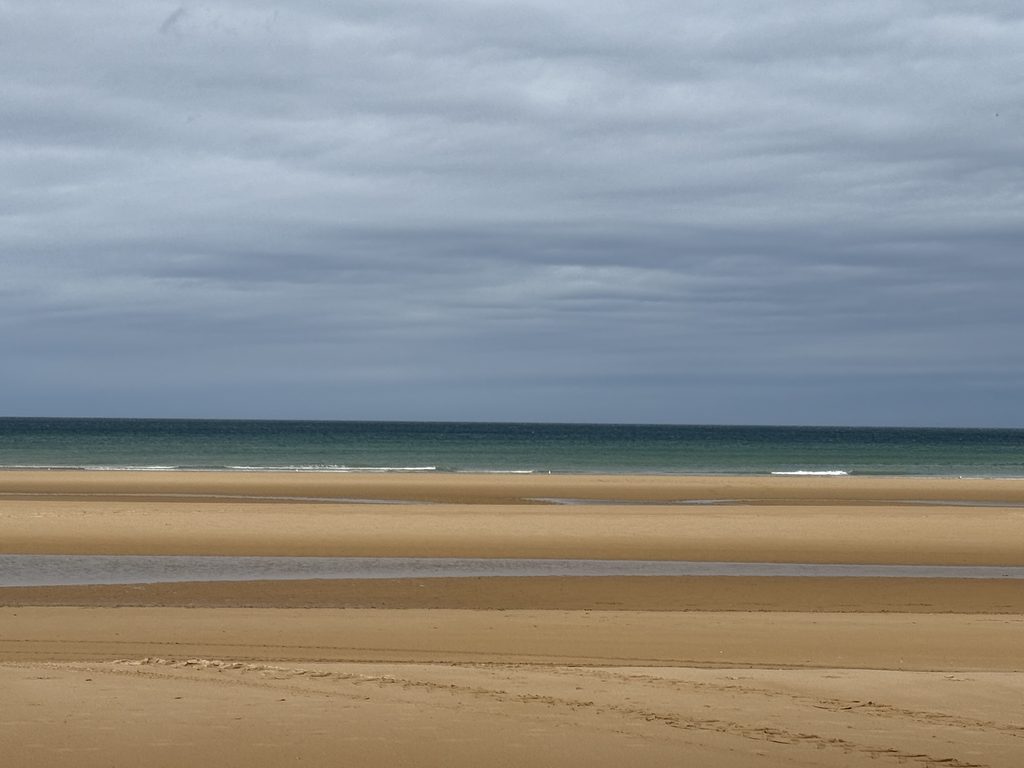
In Normandy we visited D-Day sites and the American Cemetery, Utah Beach, Sainte-Mère-Église, the Airborne Museum, and the surrounding countryside. It is difficult to reconcile the Normandy you see today with the Normandy of June 1944. The landscape is beautiful and pastoral. There are fields, hedgerows, stone houses, church steeples, and little villages that feel almost impossibly peaceful. Utah Beach itself is strikingly beautiful–bright blue water, warm caramel-colored sand–and standing there makes the scale of what happened much harder to comprehend, not easier.
That contrast followed me throughout our trip. We could read the dates and casualty numbers, study a map, and look at historical photographs—but then we would step outside into a beautiful June afternoon and realize that this very place had looked entirely different just over 80 years ago. History comes alive when you can stand where others experienced it.
Robert Best in Europe—and an Extraordinary Building in Paris
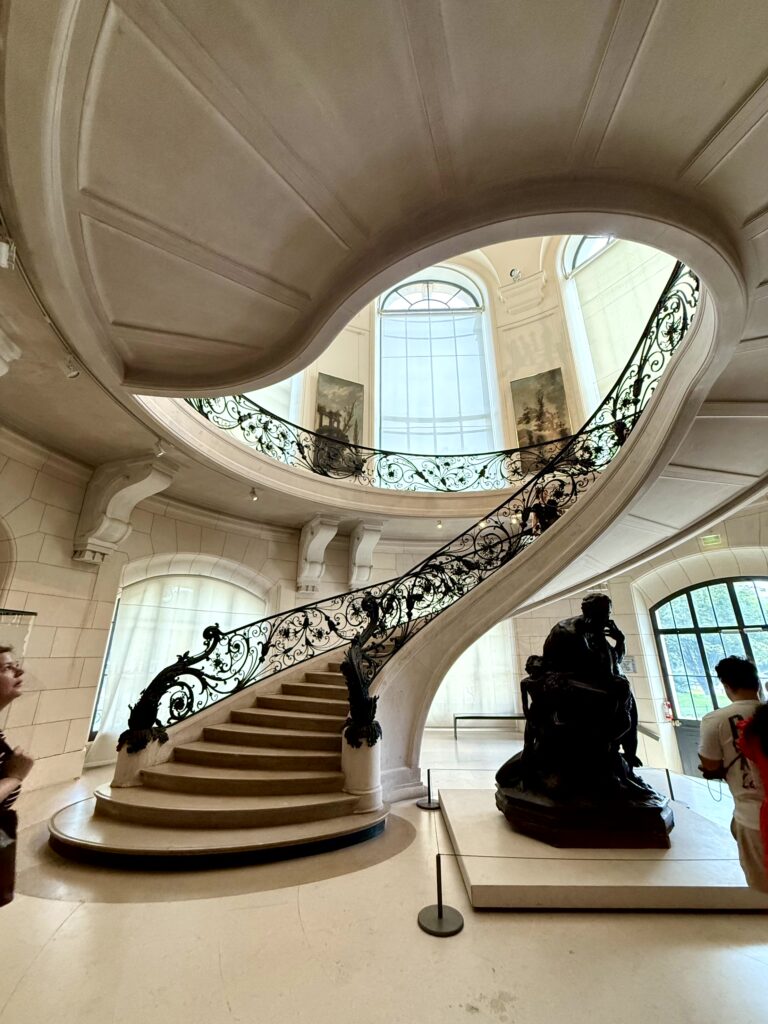
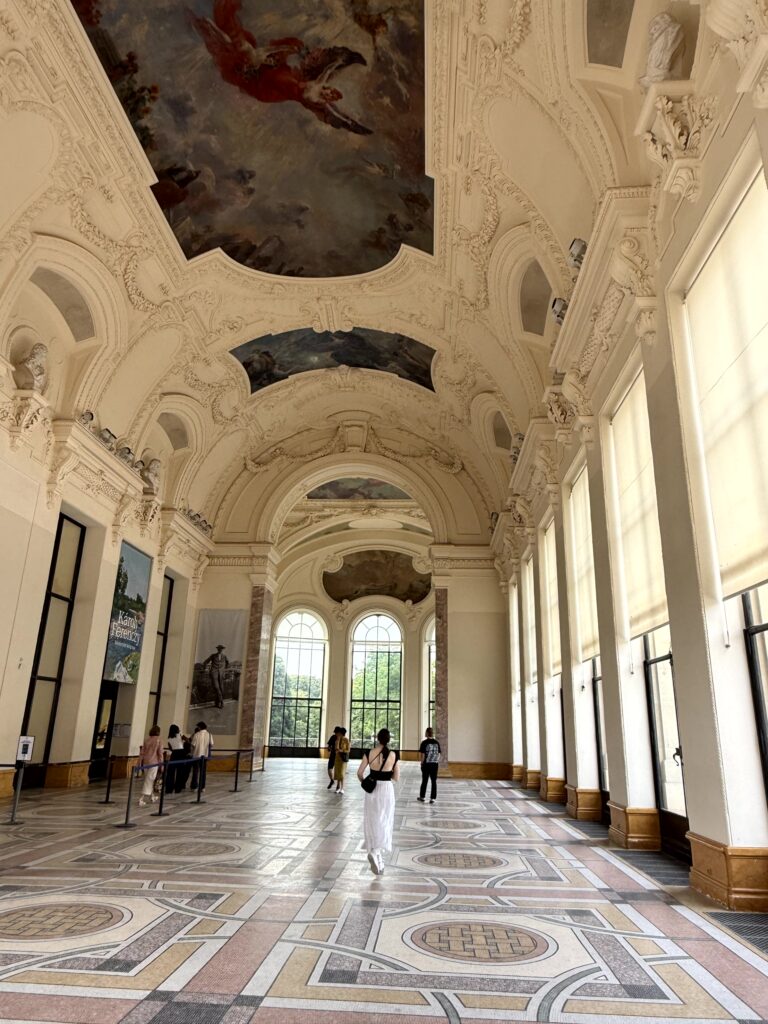
One of the places I found most moving was not a battlefield at all. It was the Petit Palais in Paris. Nils’s great-grandfather, Robert Best, spent several weeks there during the war. We have extensive records of his service, meticulously researched and preserved by Nils’s great-uncle, so Paris wasn’t simply another stop on our itinerary. But I don’t think I was prepared for the palace itself–the architecture is spectacular.
Standing in that beautiful, elegant building and trying to imagine it being used as military barracks was almost surreal. This was somewhere Robert had actually lived—not for an afternoon or a single night, but for weeks. I wasn’t looking at a historical record stating that he had been in Paris, I was walking through the spaces he would have known, and imagining a completely different version of that extraordinary place.
Robert had also spent time in Reims, so we included a day there as we continued east. Again, there was something about simply being in the city that made his story feel more tangible.
Wesley’s Story in Nuremberg
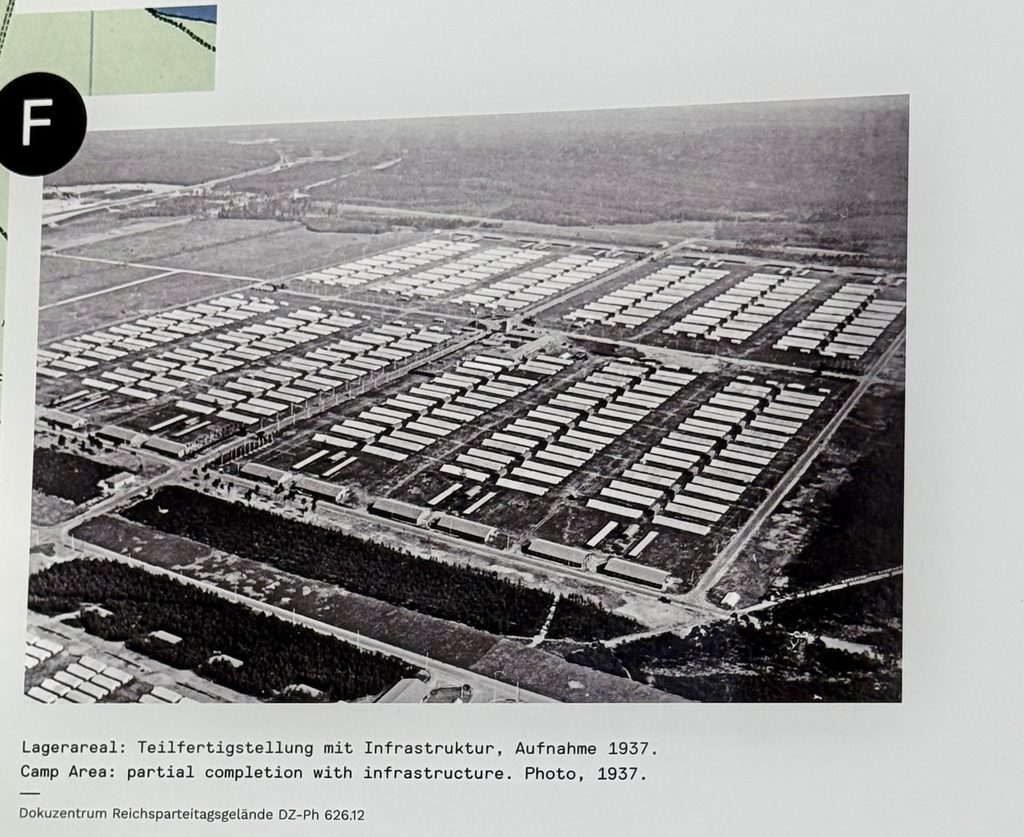
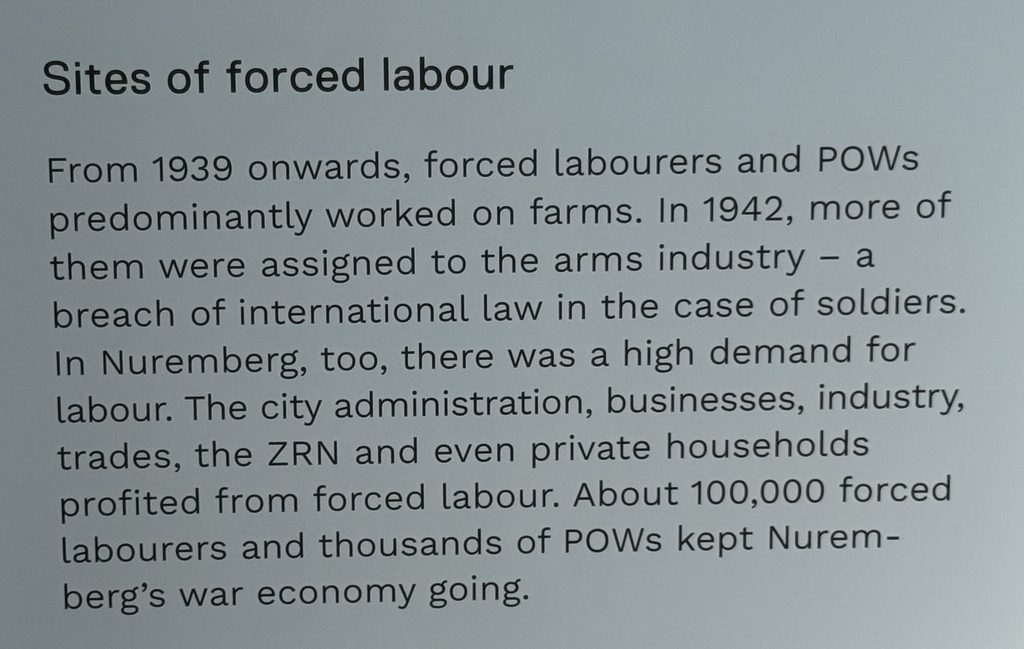
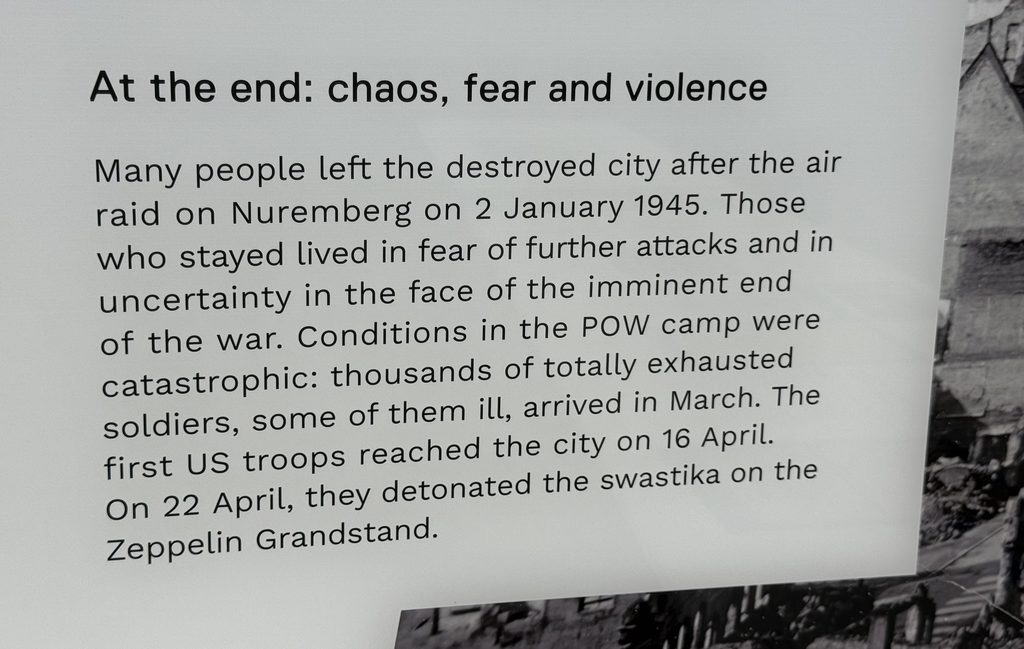
Nuremberg brought us to another branch of the family. My nephew Jack’s great-grandfather, Wesley Isaacson, had been held there as a prisoner of war. We visited the Documentation Center at the former Nazi Party Rally Grounds, where we were able to learn much more about the prisoner-of-war camp that operated in the Langwasser area of the grounds during the war.
This was one of the places where the historical documentation made an enormous difference. There were photographs of the camp, descriptions of daily life, and detailed layouts showing how it had been organized. Instead of trying to imagine the experience from a sentence in a military record, we could begin to understand where Wesley had been and what the environment around him actually looked like.
For Jack especially, I hope those images become part of the family’s record of Wesley’s story—the next layer added to the documents and information that brought us there in the first place.
Seeing the Larger Story
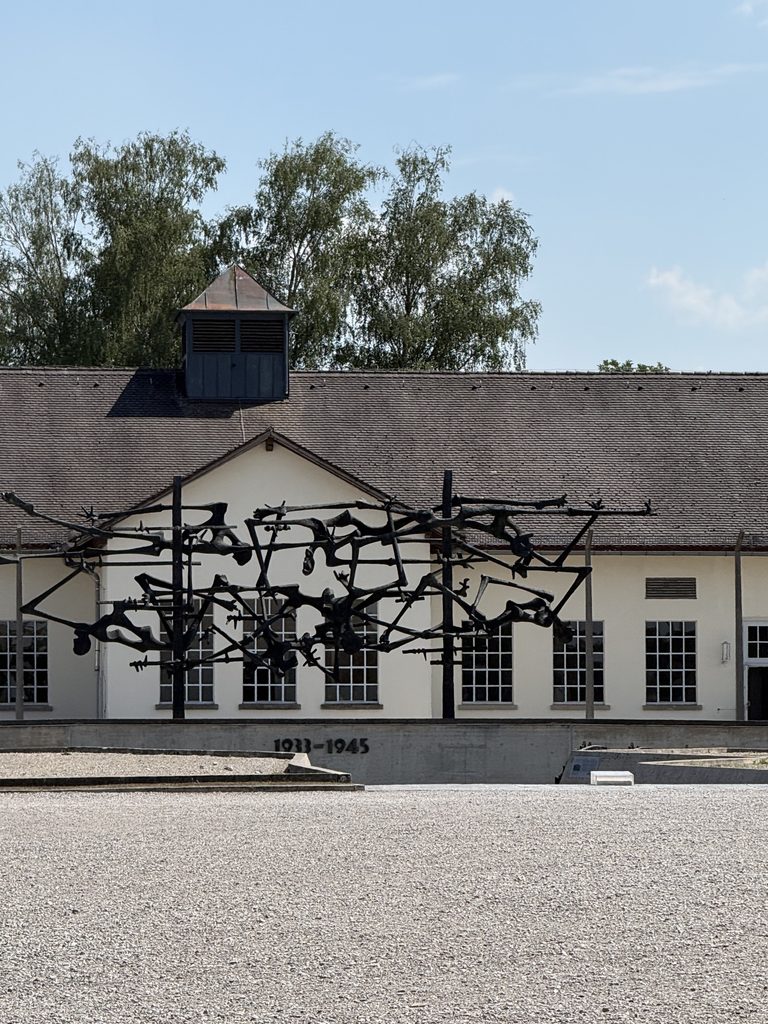
Along the way, we also visited Bastogne, the Dachau Concentration Camp Memorial, and other places connected to the larger history surrounding our family’s individual experiences. Dachau is difficult to put into words, and perhaps it should be. It was important to me that the boys see it. Standing in a haunting place like Dachau makes the enormity of the Holocaust tangible in a way that a textbook simply cannot.
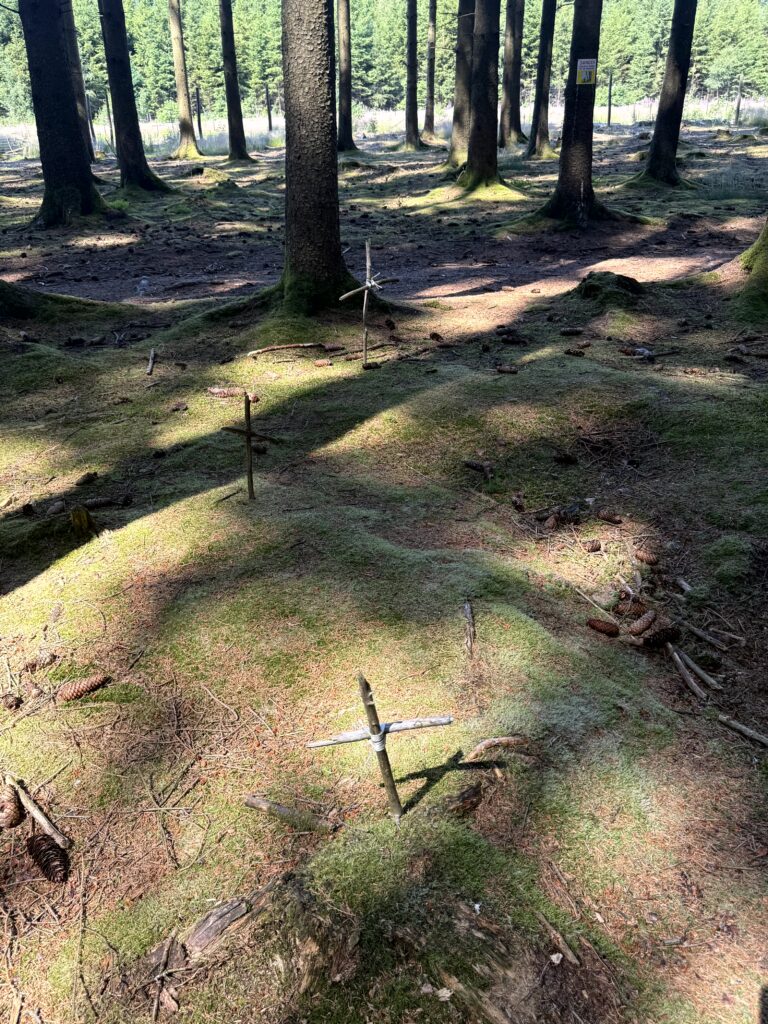
Bastogne offered another perspective, helping us better understand the Battle of the Bulge and the movement of troops through the Ardennes. The museums there were excellent, and the foxholes were eerily poignant.
By this point in the trip, something else had begun to happen: the geography was connecting. The key places of WWII history were now connected by roads we had actually driven. Normandy wasn’t simply “Normandy.” Paris wasn’t simply “Paris.” Reims, Bastogne, Luxembourg, and Nuremberg weren’t isolated points on a map anymore. We now understood how they connected.
Making Room for Beauty in Europe
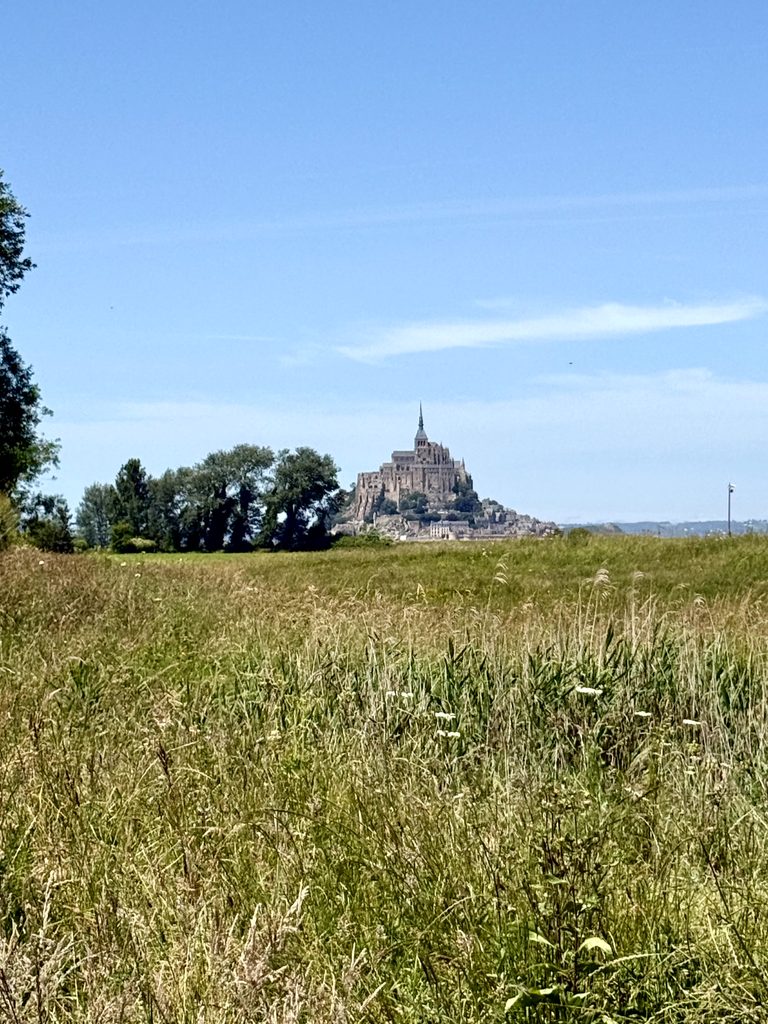
From the beginning, I knew we couldn’t spend nearly three weeks immersed only in wartime history. We intentionally built beauty into the trip too. Mont-Saint-Michel, Château de Chambord, Chenonceau, Chartres, Paris, and eventually Salzburg gave us room to enjoy Europe outside the context of WWII. And yes—I took more than 800 photographs.
There is another blog (or 2!) coming about what I saw through the eyes of an interior designer: châteaux, centuries-old craftsmanship, incredible ceilings, cathedrals, stonework, gardens, hardware, doors, and architectural details I am still sorting through. Those places deserve their own stories.
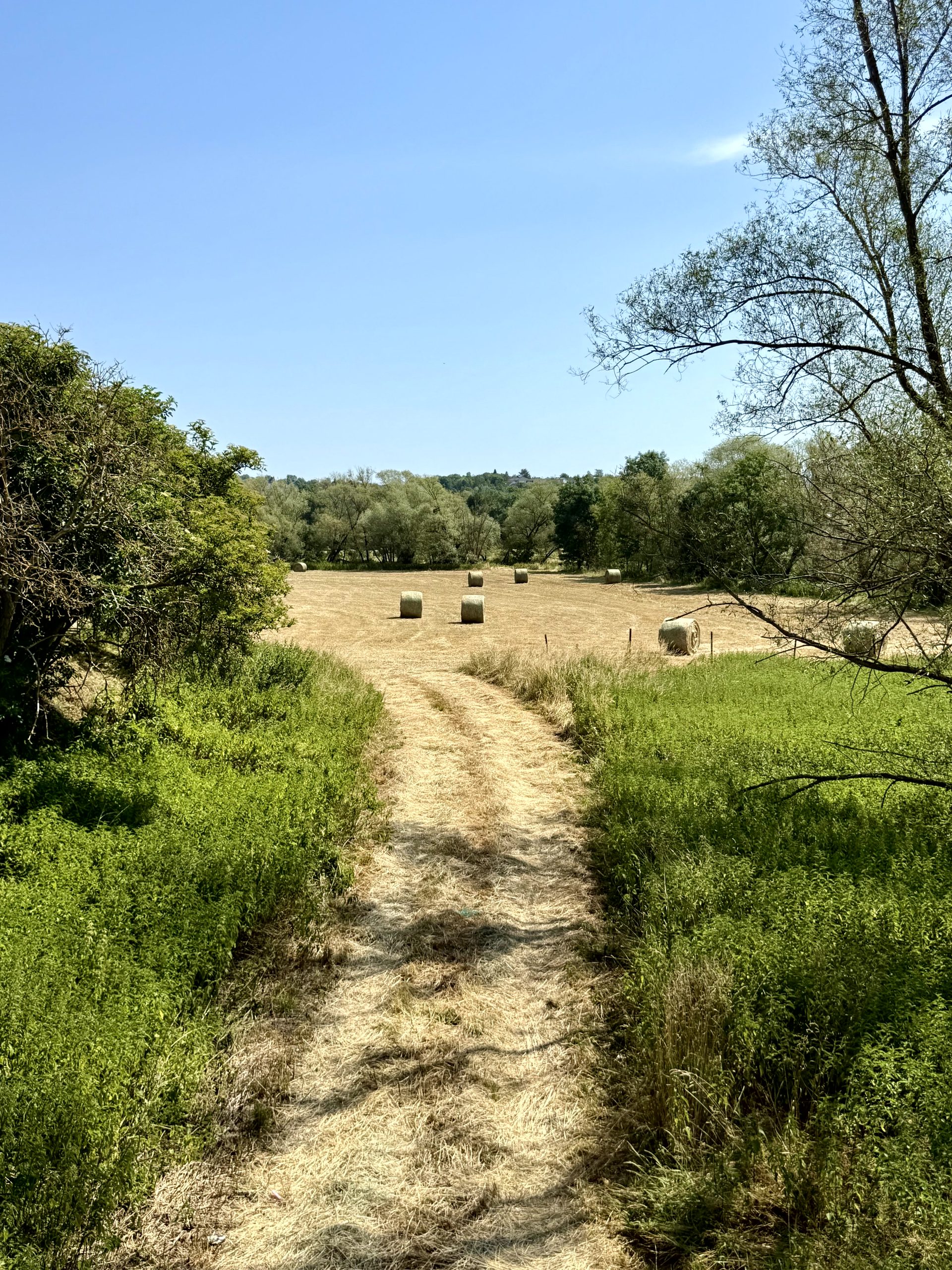
On this particular trip, though, they also gave us a needed counterbalance. Europe holds layers upon layers of history. War is part of that history, but so are extraordinary architecture, art, craftsmanship, food, family, and everyday life. There was something restorative about moving between the two.
Taking Family History Off the Page
Before this trip, I knew many of the facts: where Grammy had served, what Robert had written in his letters, and pieces of Wesley’s story. We had dates, town names, documents, journals, photographs, and maps.
What I didn’t really understand was the space between all of those facts. Now I know what it feels like to drive the road into one of Grammy’s tiny French villages. I know how far apart some of these places actually are. I’ve stood inside the Palais-Royal and tried to imagine Robert living there when it served as wartime barracks. Jack has stood on the same historic grounds where his great-grandfather was once held as a POW and seen photographs showing what the camp looked like. And perhaps most meaningful to me, Nils and Jack were there learning the stories of generations they never had the chance to know.
Four of us traveled through Europe, but in a way, Grammy, Robert, and Wesley came along too. Family history can so easily become a collection of names, dates, documents, and photographs kept in boxes and files. Traveling to these places turned those records back into people. It was the reason I wanted to take this trip in the first place. I just didn’t realize quite how powerful it would be until we were there.

Continue Reading

As I shared in my recent Q&A, my personal wellness practices are a non-negotiable part of every day. Not only do they keep me energized, focused, and resilient, but they also help me guide large-scale interior renovations, custom millwork projects, and whole-home remodels for discerning clients across South Carolina, Upstate New York, and beyond.
Today, I’m pulling back the curtain on my exact daily ritual — red light therapy, sauna, gym sessions, and thoughtful recovery — and how these practices directly influence the private home spas and wellness sanctuaries I design. When your home supports your well-being, you move through life with greater health, energy, and joy.
My Exact Daily Wellness Flow
I wake up at 5 a.m., enjoy a quiet cup of coffee or matcha, and head to the gym three to four times a week. Afterward, I walk the dogs and read my Bible — a grounding moment that sets the tone for the day.
Next, my favorite part: a post-gym sauna session (my goal is four times a week). After showering, I do my red light therapy, cycling through red + infrared + deep infrared, then finishing with cyan light. Then, by 8–9 a.m. I’m usually at my desk, tackling the deepest, most focused work of the day while saving calls and meetings for the afternoon.
Evenings are intentionally calm. I eat dinner around 5 p.m., lay out my gym clothes and water bottle for the next morning, and wind down with a magnesium drink from Pique while reading or watching a show. Ultimately, lights out by 9 p.m. — simple, consistent, and incredibly effective. I prioritize sleep like crazy!


Why These Practices Matter to Me
Red light therapy feels wonderfully relaxing while delivering visible results: it softens fine lines and wrinkles, boosts collagen, and calms inflammation. The cyan light specifically helps with redness and pigmentation. I’m obsessed with my gym classes — lifting heavy, boxing, and jumping keep me strong, mobile, and mentally sharp. For me, moving my body is the ultimate reset after hours at my desk. It’s also a natural endorphin boost!
Equally (perhaps more?!) important, recovery. Hot Epsom salt baths and the sauna help my body bounce back faster, which is essential when you’re balancing a business, a busy household and a full life.
How My Ritual Shapes the Sanctuaries I Design
Most of my clients are successful C-suite executives, lawyers, and entrepreneurs who understand that health is the ultimate luxury. They want homes that don’t just look beautiful — they want spaces that actively support their well-being.
This is where my own routine becomes a powerful design tool. I love tailoring private home spas and wellness sanctuaries to each client’s lifestyle. We’ve incorporated golf simulators, therapy pools, steam showers, cold plunges, and custom saunas — all integrated with thoughtful space planning and architecturally informed details.
For example, one of my favorite current projects is the downtown Greenville condo renovation we’re working on for empty-nester clients. We’ve planned a custom hemlock sauna directly into the primary bathroom — a serene, at-home oasis that lets them restore body and mind without ever leaving their residence. It’s the perfect embodiment of what I believe: a home should nurture you as much as it inspires you.
Whether it’s a custom sauna, a light-filled home gym, or simply a thoughtfully designed place to begin and end each day, I believe our homes should do more than look beautiful—they should help us live well. These dedicated wellness spaces have become some of my favorite rooms to design because they improve everyday life, not just aesthetics. That’s the philosophy I bring to every project at Lindsell Interiors.


Quick-Fire Wellness Favorites with Eva Lindsell
Favorite post-workout meal or recovery snack? In the morning it’s eggs — I make a big frittata and eat it throughout the week. On the go, a quick protein shake does the trick.
Go-to playlist or podcast while in the sauna or gym? 90s/2000s club music! Rihanna, Jay-Z, Outkast, T.I., Calvin Harris — it instantly lifts the energy.
One wellness upgrade every home should have? A flexible space that can double as a gym on days you can’t make it out. Enough room for a yoga mat or free weights — no excuses.
Biggest wellness lesson you’ve learned in the last year? It’s non-negotiable, no excuses. Choosing strength and health is a daily decision.
Finally, a personal note: I’ve recently started playing padel — I first heard Kelly Wearstler talk about it on a podcast, then saw the F1 drivers playing it frequently on Netflix’s Drive to Survive. A new spot just opened in Greenville (40Forty Padel), and I’m taking one lesson a week plus trying to play at least one game. It’s such a fun and social way to keep moving the body I’m working so hard to care for. Find something you love and keep showing up — that’s the real secret.


continue reading

I’ve stayed in Verbier, Switzerland twice while traveling with family, and I still cannot get enough of it. The world-class slopes, crystal-clear air, and unmistakable alpine-chic energy make it a place I want to return to year after year. The village feels both lively and welcoming, with an effortless blend of adventure and luxury. In this guide, I’m sharing my favorite winter experiences and how Verbier continues to inspire the secondary homes I design for clients.

The Winter Ski Experience
Verbier is famous for its off-piste skiing, which makes it a dream for expert skiers. However, even if you prefer leisurely runs as I do, and the 4 Vallées area offers plenty of options for every level. Better still, nearly every run comes with breathtaking views. A day on the mountain is exhilarating and surprisingly restorative.


Après-Ski & Village Vibes
Verbier comes alive in winter. There is something magical about the crisp, crystalline air. As you meander into the village for dinner, warm wooden chalets glow against the mountains. The atmosphere strikes an effortless balance between refined and relaxed. Dining is equally varied, from traditional Swiss fondue and classic French cuisine to casual burgers and pastries. After dark, the après-ski scene takes over—I’m still not sure when anyone sleeps!
Luxury Stays & Dining
The W Verbier sits right at the base of the mountain, steps from the main gondola. For that reason, it is hard to beat for convenience. Its excellent spa is another major draw. Mountain Air is my favorite one-stop shop for clothing and gear rentals. This year I finally invested in custom boots there, and the owner’s fitting completely transformed my skiing comfort — I only wish I’d done it years earlier!
Design & Lifestyle Inspiration
As a luxury interior designer, I am most inspired by Verbier’s contrasts. Traditional Swiss details—warm blonde woods, heart-cut shutters, and floral prints—sit beside clean, modern mountain homes. In addition, the mix of soft textures, stone fireplaces, and thoughtful scale makes every space feel inviting. That same sense of precision is especially evident in the millwork. Each time I visit, I come home with a few fabulous ideas for concealed storage and inventive ways to make every inch count.


Practical Tips for Discerning Travelers
The easiest way to reach Verbier is to fly into Geneva, then continue by scenic train around Lac Léman and a gondola up to Verbier. For an even more seamless journey, I highly recommend Tesla Transfers. Private chalets should be booked well in advance, especially for families and groups seeking a more personal, tailored stay.
A Note on Summer
I have not yet visited Verbier in summer, but I would love to return. Hiking through the alpine meadows, mountain biking, and enjoying a long lunch at a mountainside restaurant are all high on my list—not to mention seeing the famous cows grazing on the slopes. Above all, Verbier feels comfortable and friendly. It is the kind of place you want to experience again and again, no matter the season.


My Favorite Spots in Verbier
- Cheese and wine shop: Laiterie Verbier – laiterie-verbier.ch
- Art gallery: Bel Air Fine Art – belairfineart.com
- Café: Arctic Juice Café – arcticjuicecafe.com
- Bar: Rabbit Hutch – rabthutch.com
- Burgers: Shed Burgers – shedburgers.com
- Fondue & Rösti: Le Carrefour – lecarrefour.ch (don’t skip the rösti — a crispy, bacon-studded Swiss classic)
- Slopeside Yurt (fondue!): Bar 1936 – verbier.ch
- Pastries: Boulangerie Michellod – boulangerie-michellod.com
- Pharmacy (skincare & fragrances): Pharmacie Internationale Verbier – pharmacieinternationaleverbier.ch — I always come home with my favorite Clarins lip gloss.


Quick-Fire Verbier Favorites with Eva Lindsell
Signature après-ski drink or dish? Lumi Bar’s spicy margarita with butterfly pea flower.
Must-do activity on the mountain? Paragliding! (Pro tip: take Dramamine — we all got motion sickness.)
One design element every alpine home should have? A sheepskin — as a rug or thrown over the back of a chair.
Favorite memory or moment from your winter trips? Time with loved ones. My sister and I don’t live near each other, so we travel together as much as possible. Cousins bond, we do life together — it’s the best.

Continue Reading

Travel has always been one of my greatest sources of inspiration. This June, my son Nils, my dad, my nephew Jack, and I are setting out on a deeply personal journey through Europe. Along the way, we will trace the paths of family members who served during World War II.
The trip will bring together reflection, education, and moments of beauty. I already sense that the experience will shape the layered, deeply personal interiors I create for clients. Here is a first look at why the journey matters, where we are going, and the design details I plan to photograph along the way.

Why This Trip Matters
My grandmother, Synneva Larson—“Grammy”—rarely spoke about her time in the war, but it clearly left a deep imprint. She later wrote a detailed memoir, which our family still has. In it, she mapped where she served as a nurse under General Patton. She also described the long stretches spent waiting for transfers or passage home. I have always wanted to follow her path through Europe.


We also have extensive records for Nils’s great-grandfather, Robert Best, thanks to his great-uncle’s meticulous research. We know enough about my nephew Jack’s great-grandfather, Wesley Isaacson, to visit several places connected to his service. These include the site where his plane crashed and the location in Nuremberg where he was held as a prisoner of war. Historical fiction is one of my favorite genres, so stepping into these real stories feels especially meaningful. We know parts of the trip will be somber, so we have intentionally balanced them with moments of beauty, rest, and reflection.


Our Itinerary Highlights
From June 8–25, we will travel from London to Munich. We will cross the English Channel by ferry, just as my grandmother did. From there, we will visit Normandy, the Loire Valley, Paris, the Ardennes, Luxembourg, Belgium, Nuremberg, and the Austrian Alps. The ferry crossing to Caen will be deeply meaningful. It may offer us a small sense of the journey my grandmother and so many others made.
A Sense of Place at Every Stop
We used points for most of our hotels, which gave us a wonderful mix of properties along the route. Because we will rarely spend more than one night in the same place, we can experience a variety of distinctive properties along the way. Highlights include a 17th-century white-stone hotel near Caen and a historic farm mansion in Normandy. We will also stay in a former coaching inn dating to 1786 in the Loire Valley. In Paris, our hotel sits beside the Jardin du Luxembourg in the 6th arrondissement. My travel rule for a history-heavy itinerary is simple: build in restorative pauses. Beautiful hotels, good meals, and quiet moments help the journey feel meaningful rather than exhausting.
Design Inspiration I’ll Be Chasing
As a luxury interior designer, I’m constantly stopping to photograph doors, lanterns, shutters, flowers, stonework, and wood paneling. The châteaux of the Loire Valley and Versailles will be major sources of inspiration. I also pay close attention to hotels and how they create a sense of welcome, discovery, or surprise for their guests. The best ones layer materials, incorporate memorable details, and make guests feel cared for. I often ask clients about their favorite hotel stays and weave elements of those experiences into their primary suites and private sanctuaries.


How Family History Shapes My Work
We all carry stories, and we are often more connected to the past than we realize. I am fascinated by the ways family history, memory, and place can shape us across generations. That perspective informs the timeless, livable, and architecturally grounded interiors I create at Lindsell Interiors. When I design a home, I look for meaningful ways to honor a client’s heritage and family stories. This trip will deepen that instinct, helping me weave more personal, layered details into homes that feel unmistakably their own.

Quick-Fire Trip Favorites with Eva Lindsell
Must-pack essentials for a history-focused trip? Grammy’s journal, Robert Best’s records, and several other family documents—plus the paid version of Wanderlog. I use it to plan every trip, and it has been invaluable for an itinerary this complex.
One thing you’re most looking forward to photographing? Mont Saint-Michel! But honestly, I will probably purchase this photo by one of my favorite photographers, Mike Behr.
Dream meal or sensory moment you hope to experience? I’m dying to return to The Grenadier in Belgrave Square for its Beef Wellington. The carpeted floor and dollar bills on the ceiling give it so much character. Add the faint smell of beer, deep red leather booths, and crooked brass chandeliers, and it feels perfect.
How will this trip show up in future client homes? I hope a deeper appreciation for history and family legacy will help me honor each client’s heritage. Ultimately, I want to weave beautiful, personal details into homes that feel truly theirs.


continue reading

Hello, I’m Eva Lindsell, founder and principal designer of Lindsell Interiors, a residential interior design firm based in Greenville, South Carolina. We create architecturally informed, highly personalized homes through large-scale renovations, new construction, custom millwork, and full-scope furnishings. Each is designed to feel timeless, livable, and deeply personal.
From legacy lake houses on Lake George to historical renovations in Saratoga Springs and custom homes throughout the Southeast, every project begins with the same guiding principle: honor the architecture and the people who live there. In this candid Q&A, I share the path that led me to Lindsell Interiors, the principles behind my work, and the personal interests—from travel and entertaining to wellness—that continue to shape the homes I design.


What led you to found Lindsell Interiors in Greenville?
Like many families, the pandemic prompted a major move. I was born and raised in New England, and my family later settled in Augusta, Georgia, where I attended high school. After studying in Chicago, I returned to Boston and joined a renowned kitchen and bath firm in the suburbs. There, I honed my craft designing kitchens, bathrooms, and custom interiors for premier clients.
A few years later, we relocated to Saratoga Springs, New York. I worked in-house for Saratoga’s premier custom home builder and remodeler, Teakwood Builders. As a passionate horse lover, I thrived during track season at the historic racetrack and loved everything it brought to town: galas, concerts at SPAC, a vibrant arts scene, wonderful restaurants, and timeless charm. Eventually, the brutal winters nudged us south again. I chose Greenville because it is close to my parents and offers the perfect blend of community, energy, and proximity to many of my favorite Southern cities: Atlanta, Augusta, Asheville, Charlotte, and Charleston.
When I arrived, I launched Lindsell Interiors and I haven’t looked back. What continues to inspire me is the same thing that drew me to this work in the first place: the opportunity to create homes that are both architecturally informed and deeply reflective of the people who live in them.

What is the guiding philosophy behind your interior design firm?
I stay true to two things: the home itself and its owners. I have a deep appreciation for historical architecture and believe every decision should respect the framework of the house. At the same time, your home is a reflection of you — how you live and move, what you value, and the stories you carry from your travels and life experiences.
My projects are never “one palette fits all.” Clients choose Lindsell Interiors because I’m honest about what will work and what won’t, and my role is always to inform, educate, and guide. Together we curate layered, highly personal homes that feel beautifully and authentically like you.
How do you approach large-scale renovations and new construction?
We begin with a comprehensive client questionnaire that helps us truly understand how our clients want to live in their space. From there, we have an open conversation about investment so that the vision we create is both inspiring and realistic. Once we’ve discussed needs versus wants, we move into vision boards to establish the overall feeling of each room, then into detailed drawings and precise specifications. This thoughtful process supports a seamless experience from design through installation, whether we’re executing custom millwork, kitchen and bath design, or a whole-home remodel or new build.

How does wellness influence the homes you design?
We have more tools than ever to create homes that support well-being. I pay close attention to natural light, lighting quality, material selections, acoustics, and the way a space can encourage both movement and restoration. Wellness is not the sole focus of my practice, but it is an important layer of thoughtful residential design. Whether we are creating a home gym, integrating a sauna, improving natural light, or designing a quiet place to begin and end the day, I believe a home should support the way its owners want to feel and live.


How does entertaining shape your approach to interior design?
I have always loved hosting, and that instinct shapes many of the homes I design. Entertaining affects everything from kitchen layout and circulation to lighting, seating, serving surfaces, and storage. In high school, my friends nicknamed me “Martha,” and I worked for both a caterer and a florist. I briefly considered wedding planning but decided I would rather keep my weekends!
One of my most memorable moments came during the Masters tournament in Augusta. I had the privilege of designing the dining tent for a national banking client. Fresh flowers arrived daily, tablescapes changed with each gathering, and on Easter Sunday I brought in live bunnies and chicks nestled in beautiful baskets. The clients were delighted. That experience captures what I love most about designing for entertaining: creating thoughtful details that make people feel welcomed, cared for, and remembered.


How does travel inspire your work at Lindsell Interiors?
Travel is one of my greatest sources of inspiration. I am constantly photographing details—terrazzo floors in Venice, elegant doorways in Paris, rich wood paneling in London—that later influence client projects. Europe continually reminds me that good design does not need to be oversized; it needs to be thoughtful and functional. Many of my clients travel frequently, and I love incorporating their collected pieces and memories into their homes. Those personal layers are what transform a beautiful interior into a meaningful reflection of the people who live there.


Quick-Fire Favorites with Eva Lindsell
Current favorite color palette? Blue has always been my constant, but purple—from deep aubergine to soft lavender—is having a beautiful moment. Used thoughtfully, it can feel both timeless and surprisingly versatile.
Go-to material or finish you always come back to? Walnut. It crosses so many eras, ages beautifully, and I’m quite sure I’ll never tire of it.
Most treasured design element or piece in your own home? Pieces from my grandparents — my maternal grandmother’s mid-century dining set from Denmark and my Nana’s Victorian rocking chair that once rocked my father and aunts.
Dream project or home style right now? I just completed a large contemporary home that was my favorite project to date. After two years immersed in clean lines, I’m craving antiques and traditional patterns!
Favorite European city or detail for design inspiration? I can’t pick just one city, but I’m returning to two I love — London and Paris. This time I hope to explore Oxford, Cambridge, and the Cotswolds. Spencer House remains a favorite. In Paris, I’m looking forward to visiting Versailles and Musée Rodin for the first time.
Signature scent, candle, or sensory detail you love in a space? I’m a vanilla girl at heart, but my favorite candle is the Baron from 1889 Wax Lighting — a beautiful blend of peppermint, eucalyptus, clove, cedar, patchouli, and vanilla.
One design trend you’re currently loving? The return to color! I appreciate a good neutral, but I live for rooms that feel alive and expressive.
One design trend you hope quietly disappears? Honestly, I wish trends would disappear. Let’s design rooms and homes we love because we love them — not because Instagram told us to.
Non-negotiable morning wellness ritual (besides red light / sauna / gym)? Walking my dogs and reading my Bible.
Favorite thing to serve when hosting? My aunt Linda’s chocolate chip cookies are the most requested item on the menu. I also love grilling steak, lamb, or chicken with fresh vegetables and a big salad — followed, of course, by a naughty dessert.

