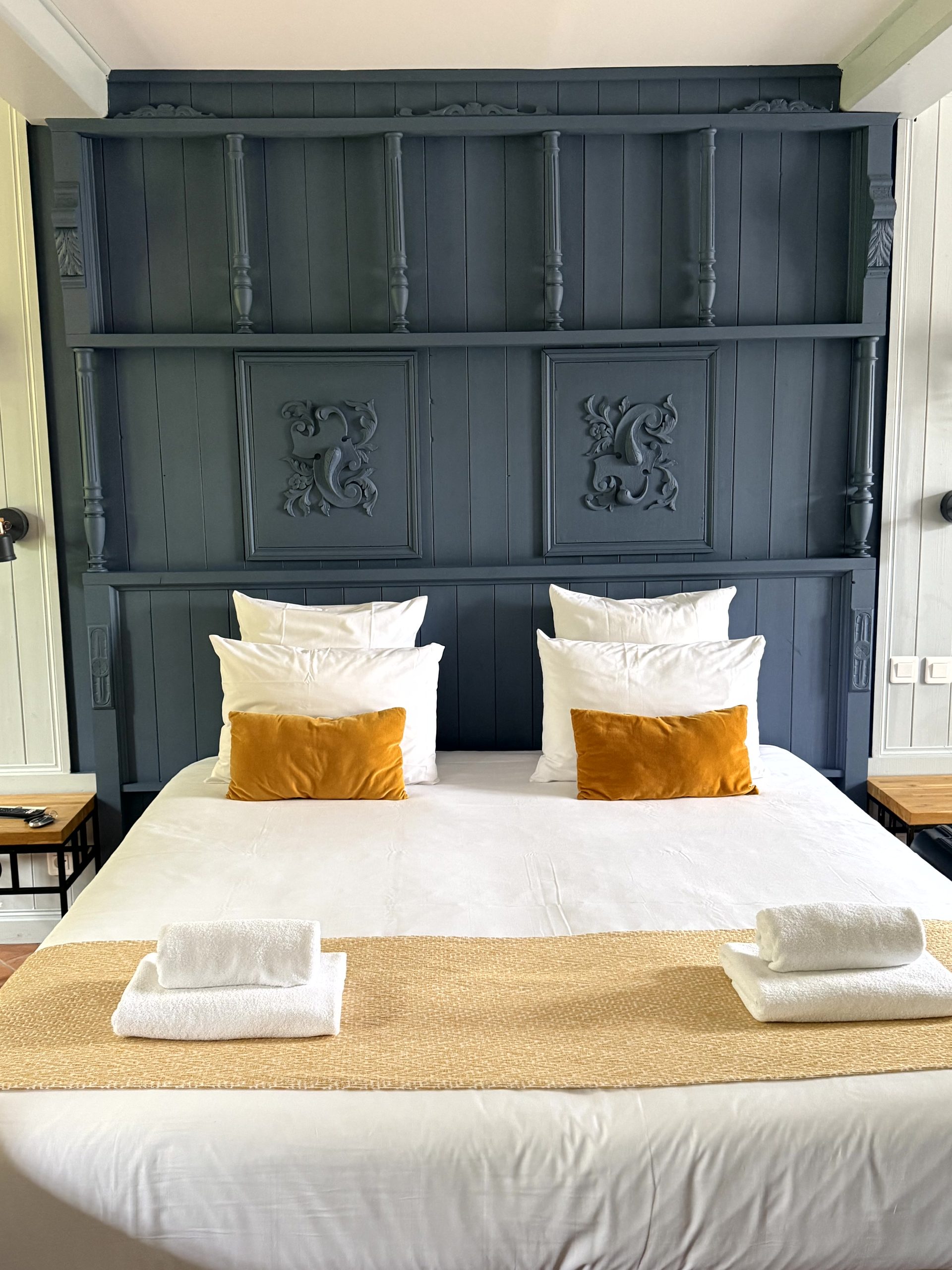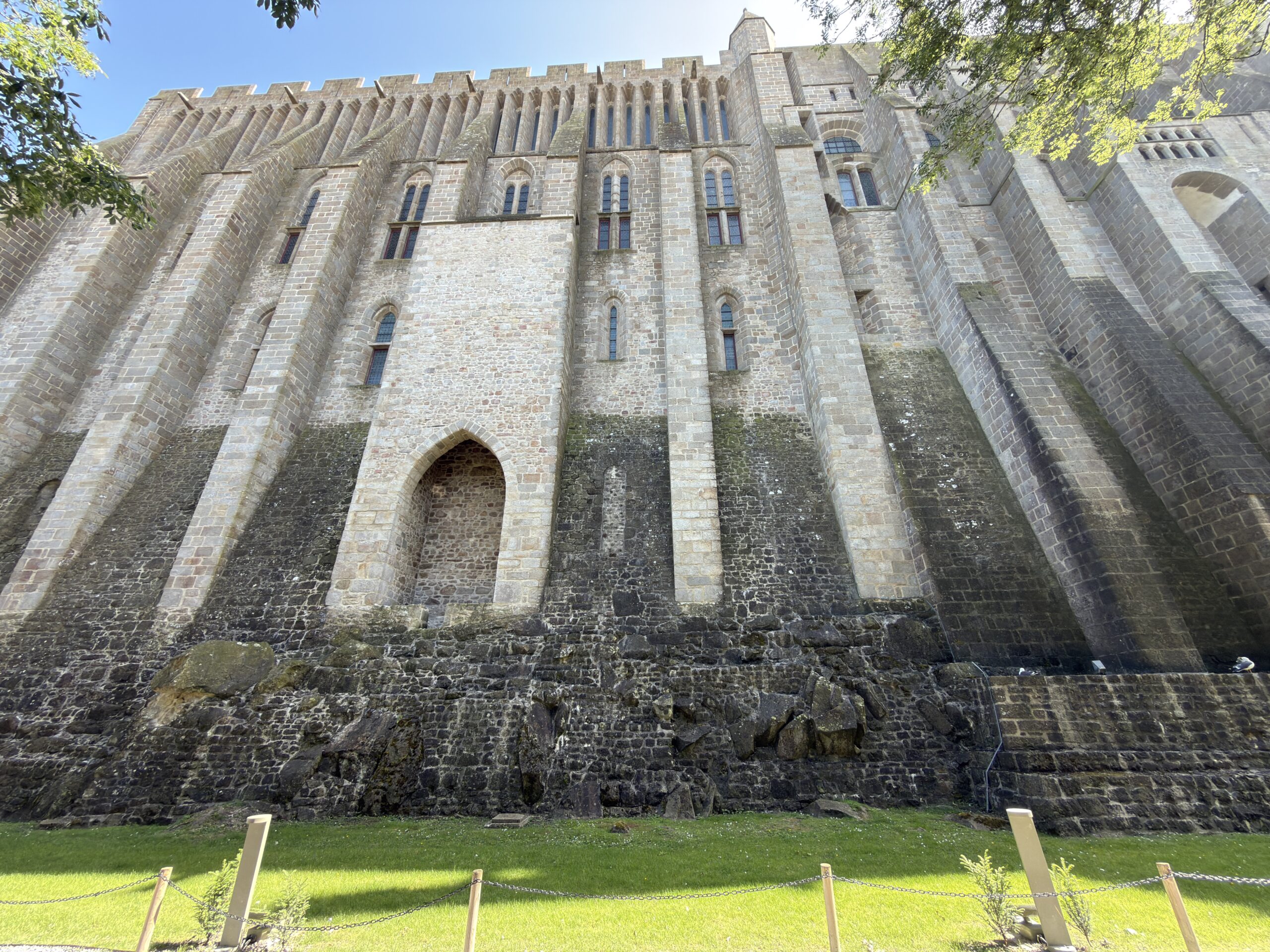
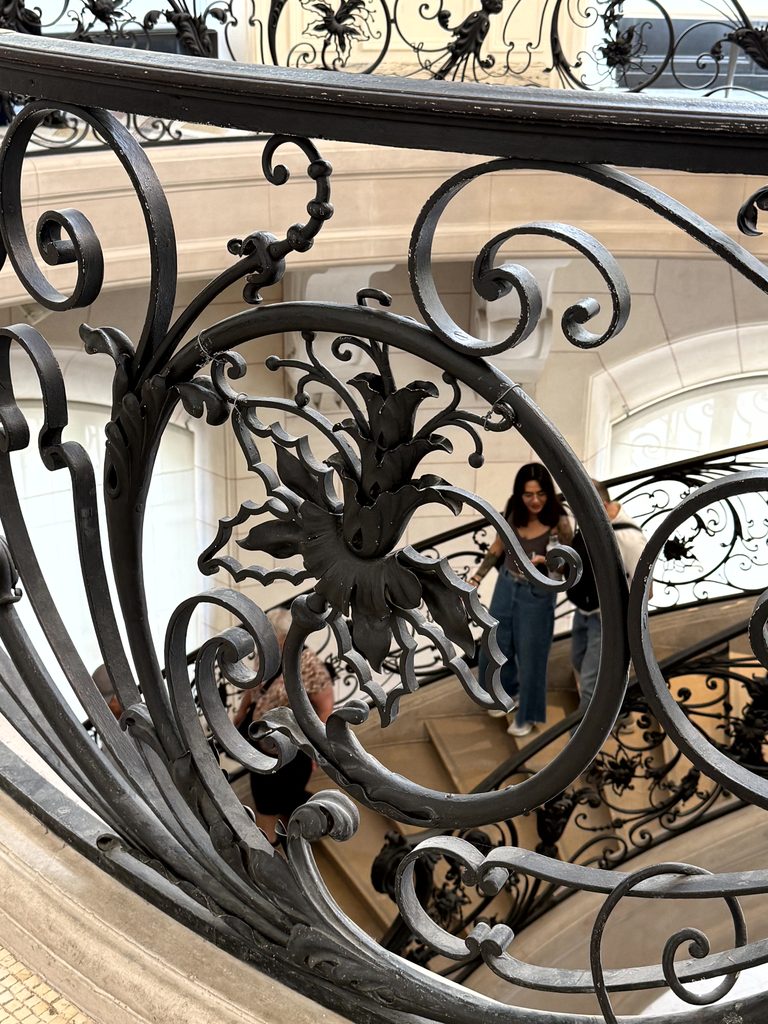
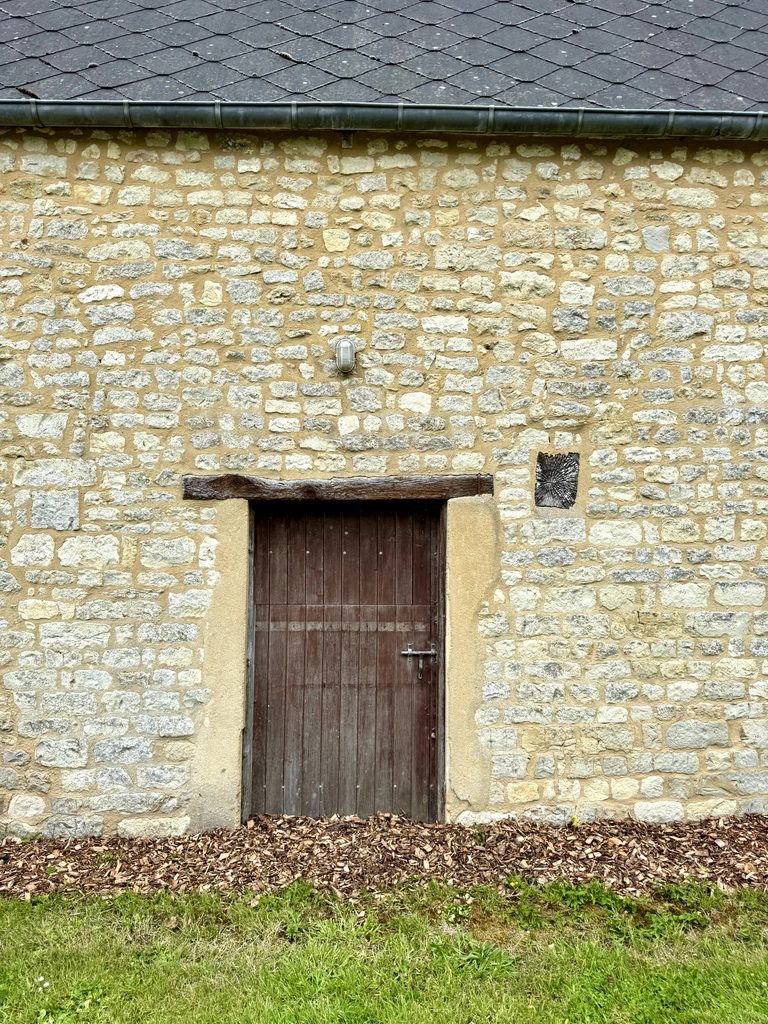
I went to Europe to follow my family’s World War II history and I came home with more than 800 photographs. Not surprisingly, many of them had absolutely nothing to do with WWII. I photographed brickwork. Stone walls. Ironwork. Gardens. Rooflines. Textiles. Architectural details. My family became very accustomed to walking ahead while I stopped—again & again—to photograph something that had caught my eye.
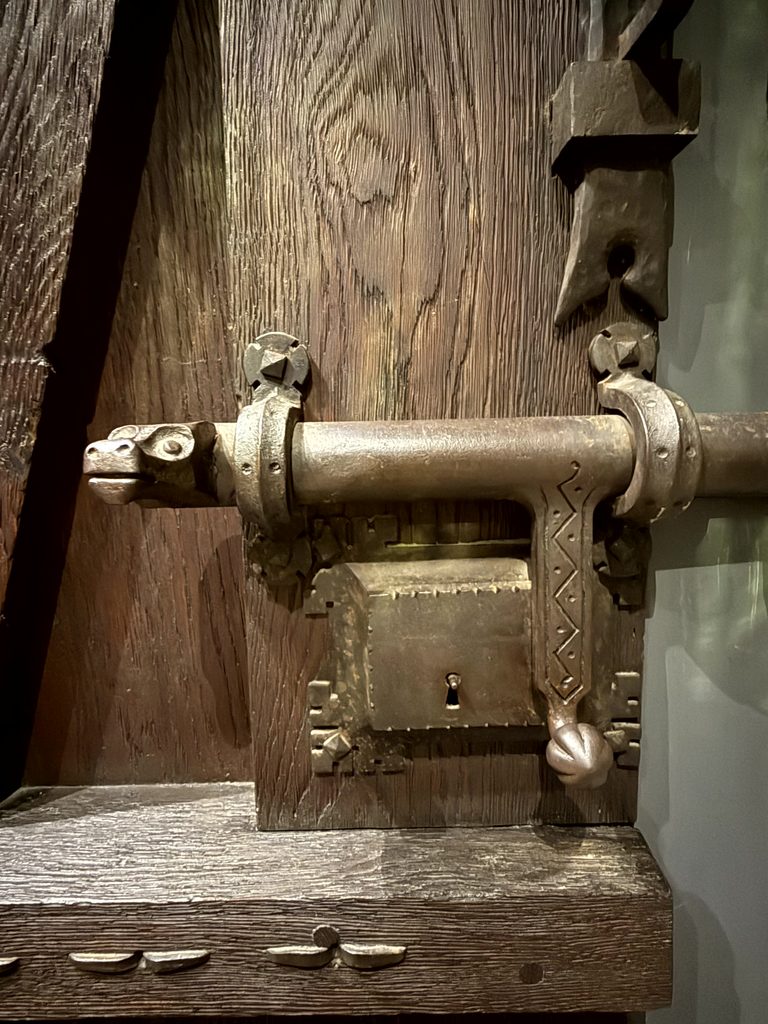

That is one of my favorite things about travel. As an interior designer, I’m always looking. Not necessarily for something I want to replicate, but for ideas—an unexpected combination of materials, a beautiful proportion, a pattern created by something as simple as the way brick was laid. Looking back through those hundreds of photographs, I realized that what interested me most wasn’t a particular piece of furniture or a specific European design style. It was depth of character. The places I loved felt layered rather than decorated. Their beauty came from natural materials, craftsmanship, age, repetition, landscape, and a strong sense of place. And while Europe certainly has no shortage of grand architecture, some of my favorite design inspiration came from the smallest details.
Let the Materials Do the Work
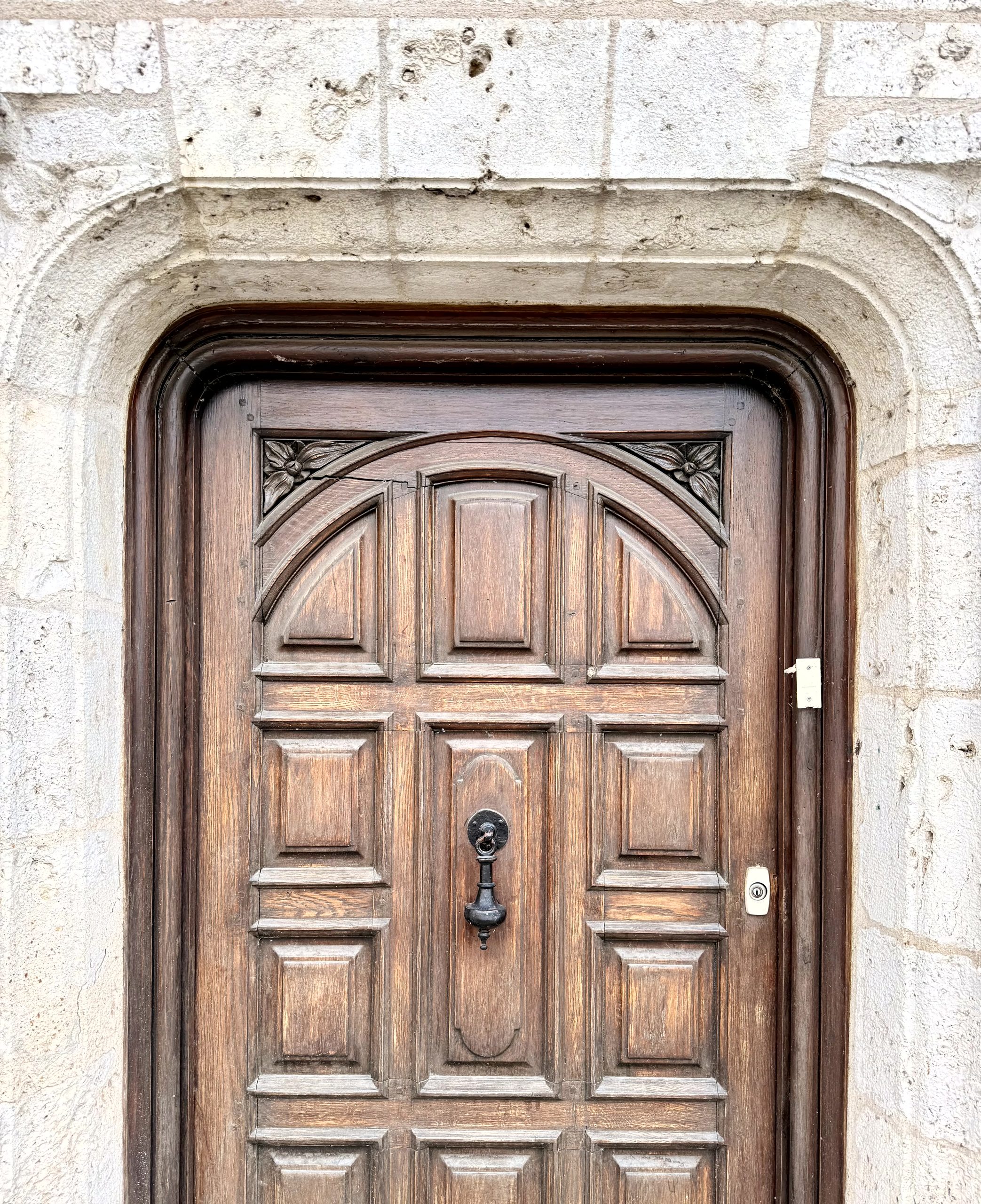
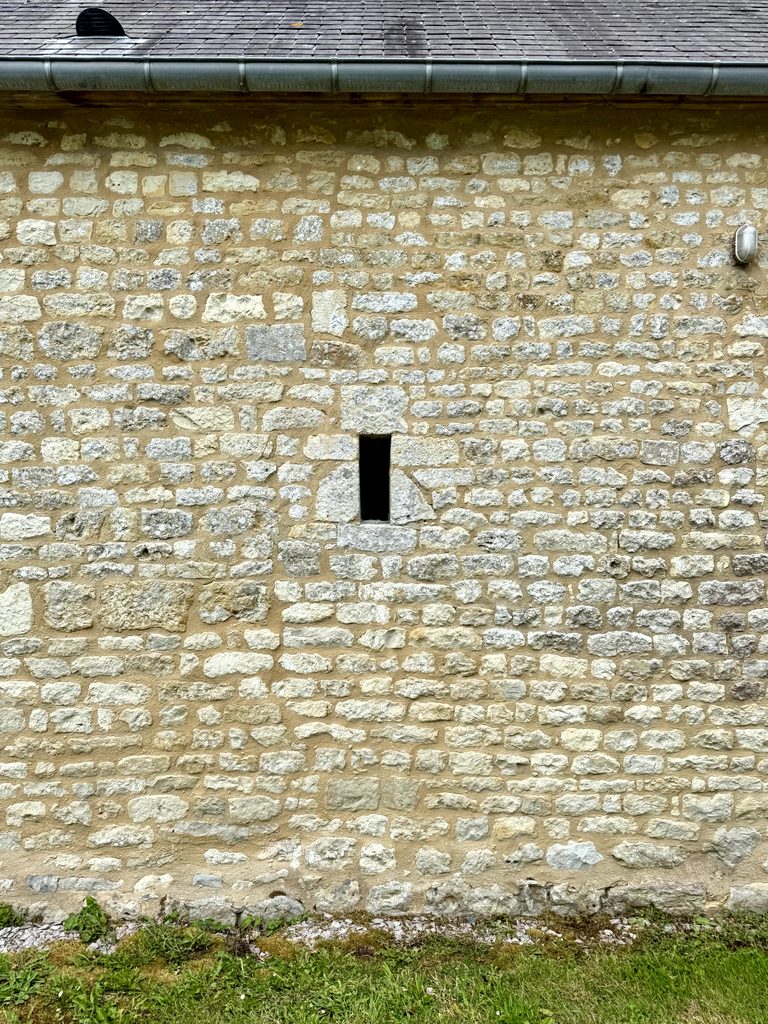
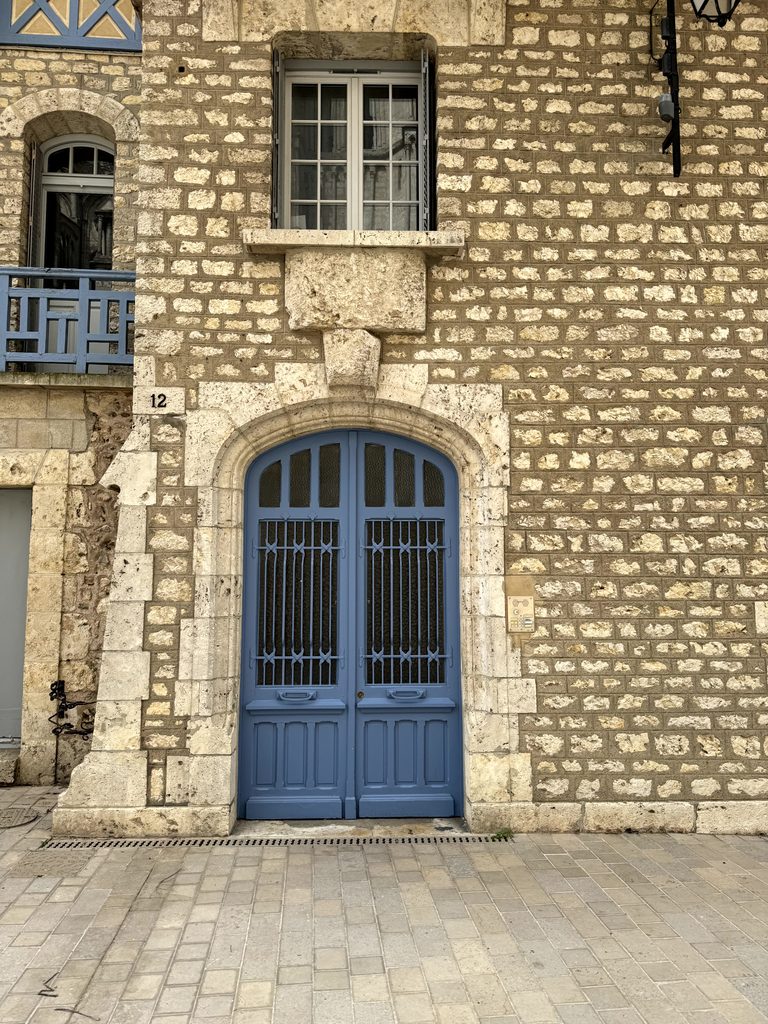
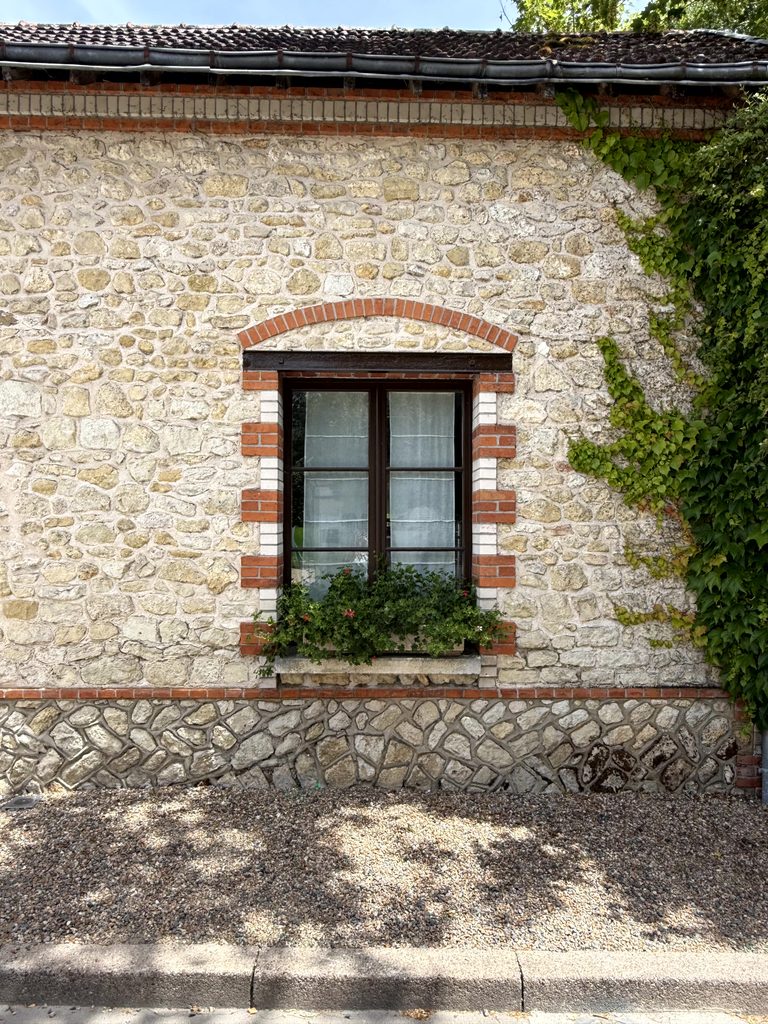
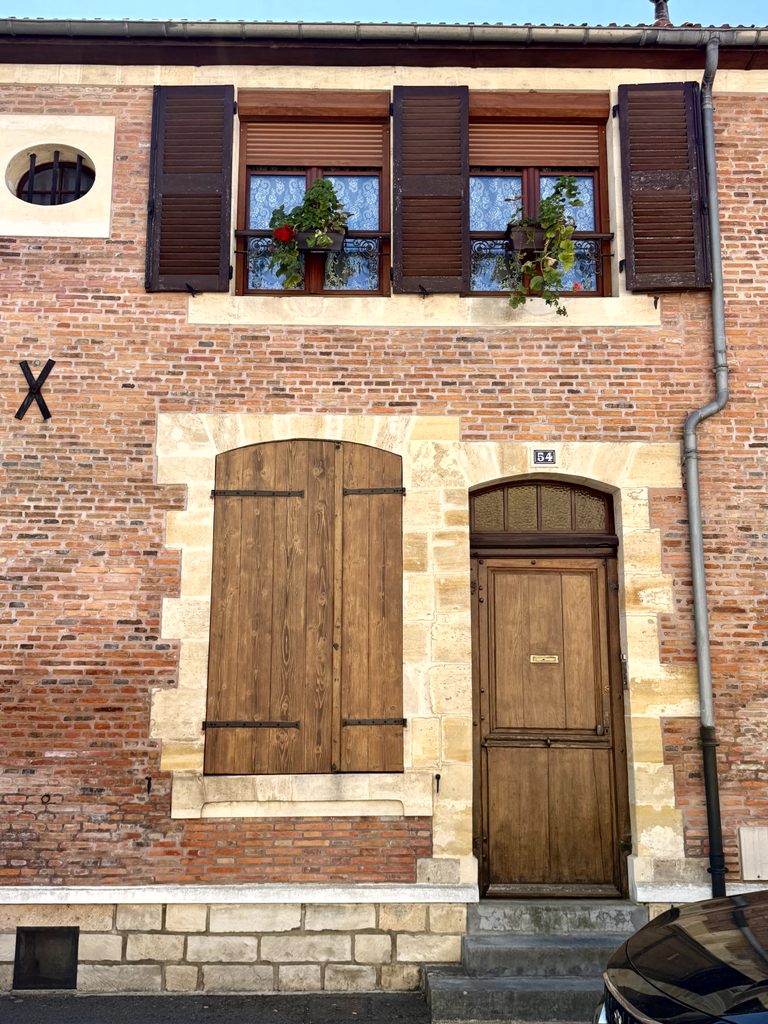
One thing Europe does exceptionally well is allow materials to simply be beautiful. Stone looks like stone. Wood is allowed to age. Brick varies in color. Plaster isn’t always perfectly smooth. Iron develops a finish that could never quite be recreated in a factory. There is an honesty to it that I love.
So often in interior design, we talk about adding interest to a room. But sometimes the most interesting decision is simply choosing a material with enough character that it doesn’t require much embellishment. A beautiful stone floor already has movement. Hand-finished wood brings warmth and variation. Natural plaster creates subtle depth as light moves across it. Even brick can become incredibly decorative through its color, texture, and installation.
When the materials are beautiful, they don’t need much help.
That doesn’t mean every home needs to look old—or rustic. Quite the opposite. Natural materials are just as compelling in clean, contemporary interiors. The key is allowing their inherent variation and texture to become part of the design rather than trying to make everything look perfectly uniform. For me, that is one of the foundations of creating timeless interiors: start with materials worth looking at.
Pattern Is Everywhere—If You Look for It
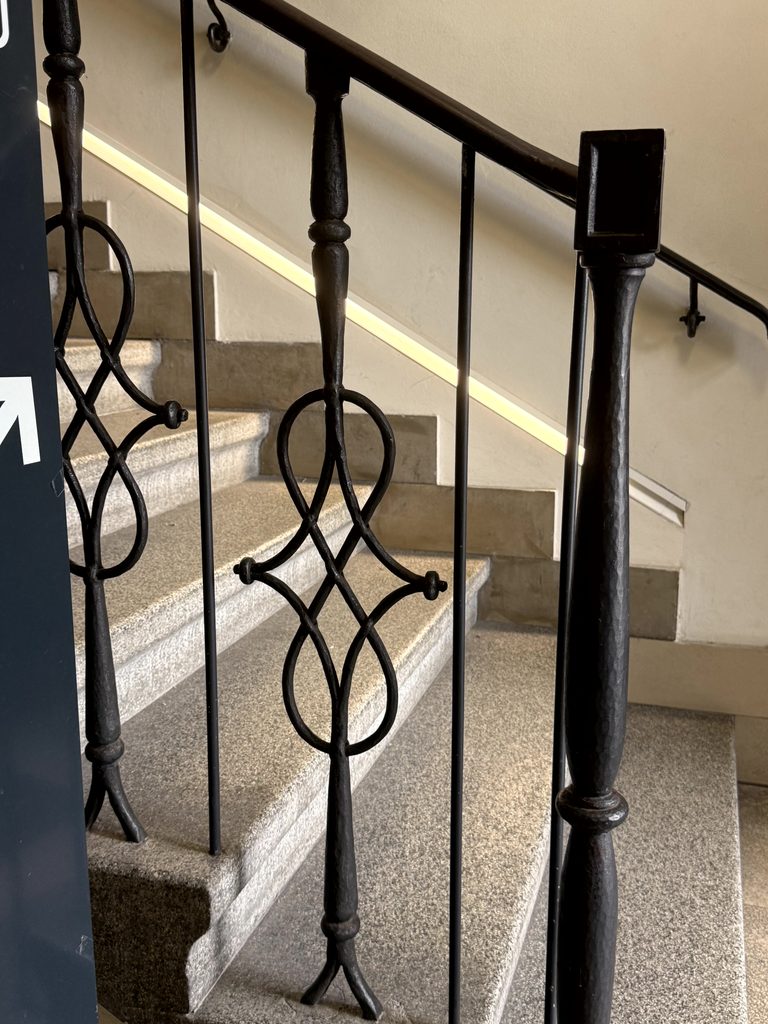
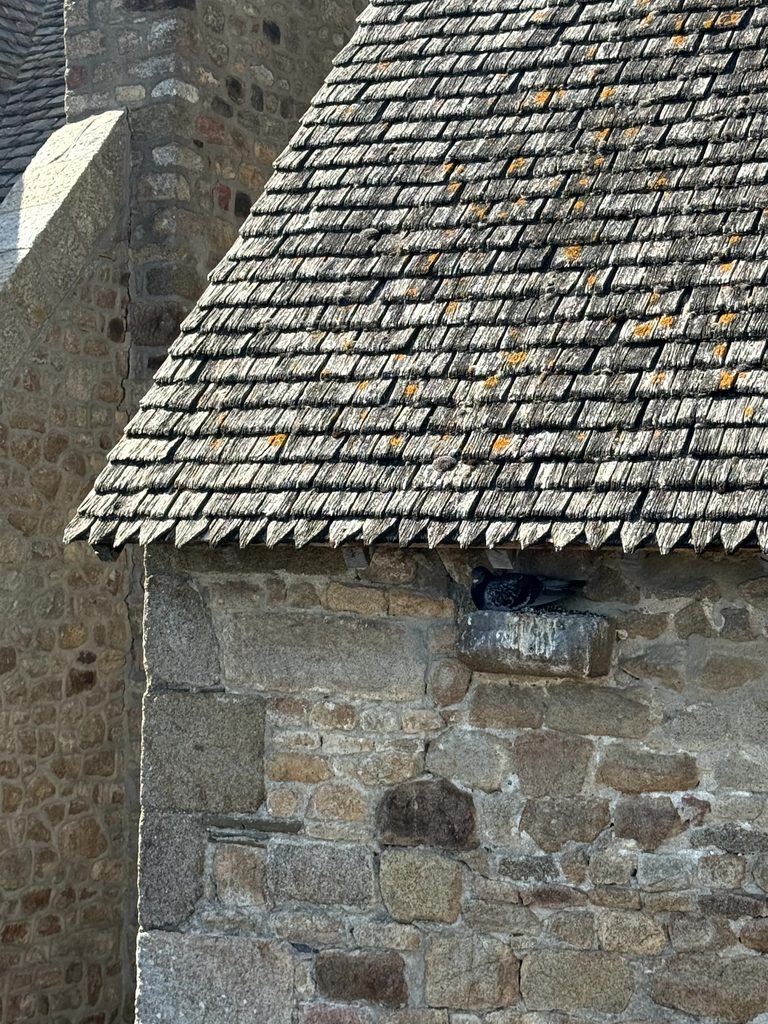
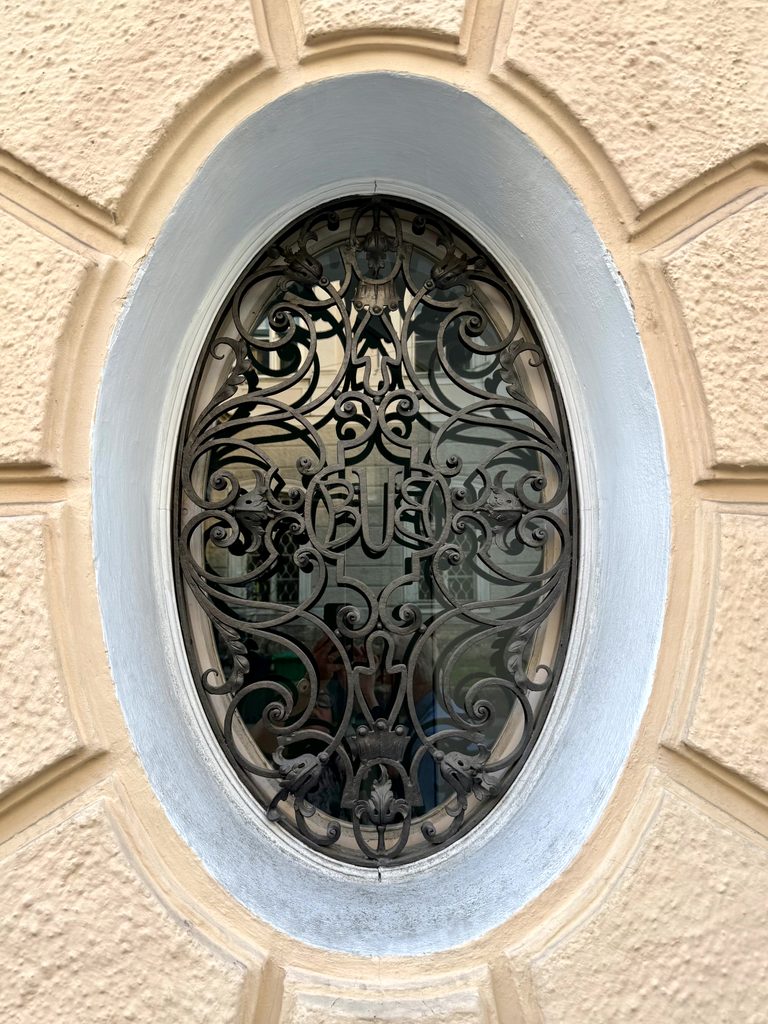
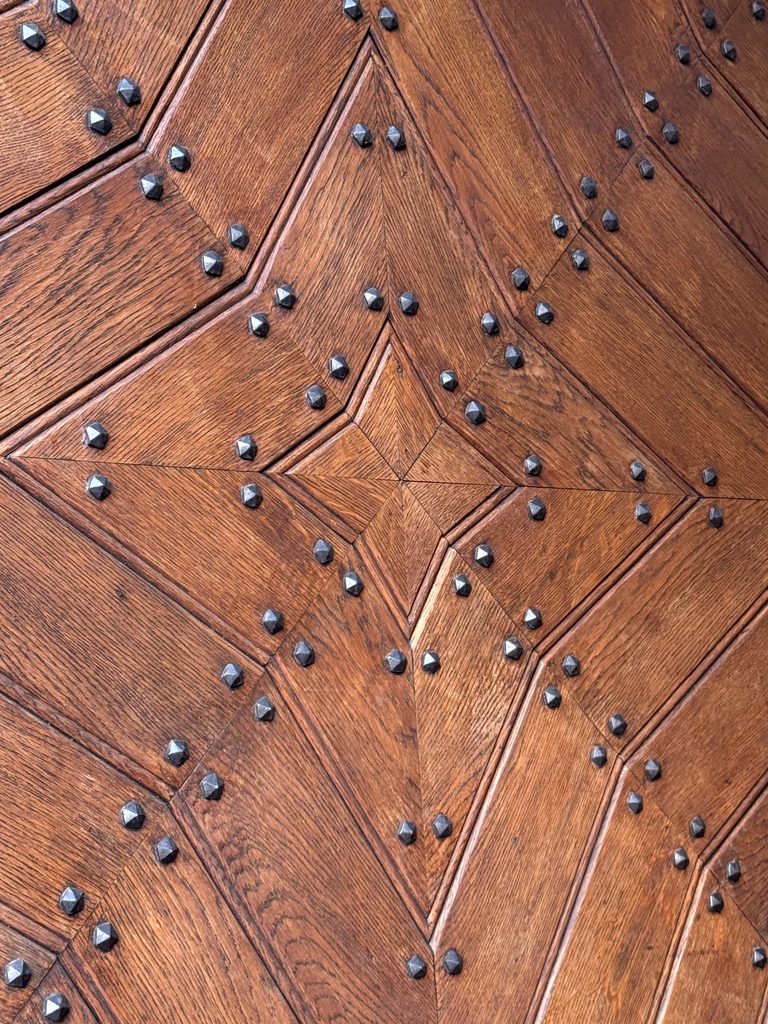
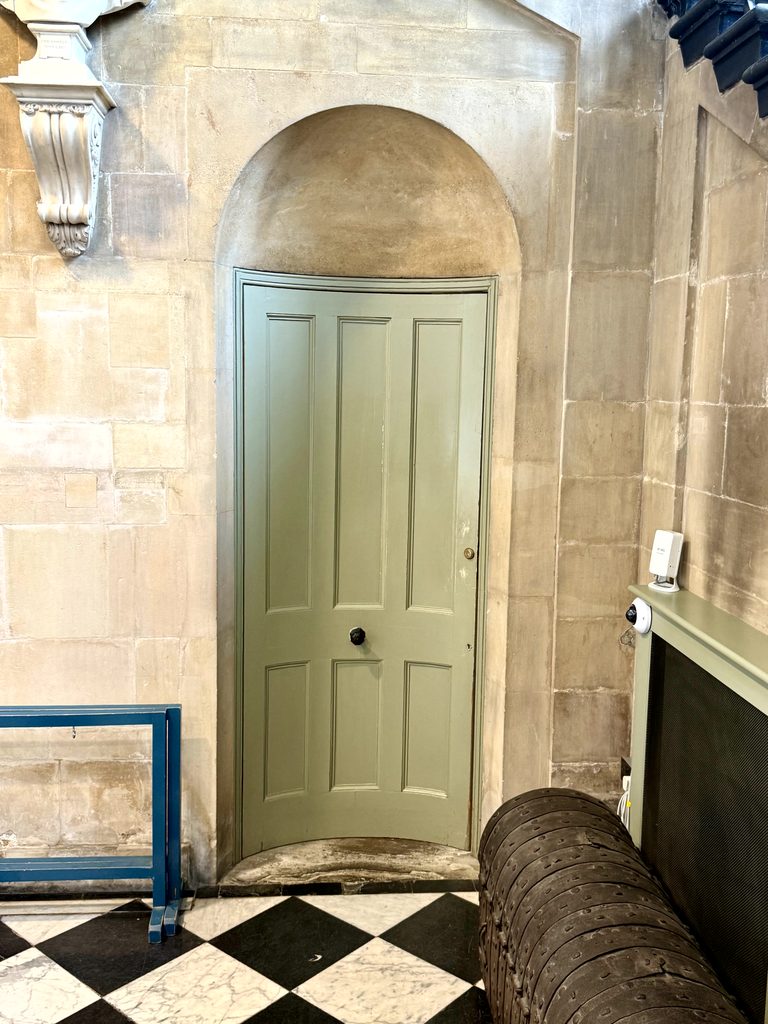
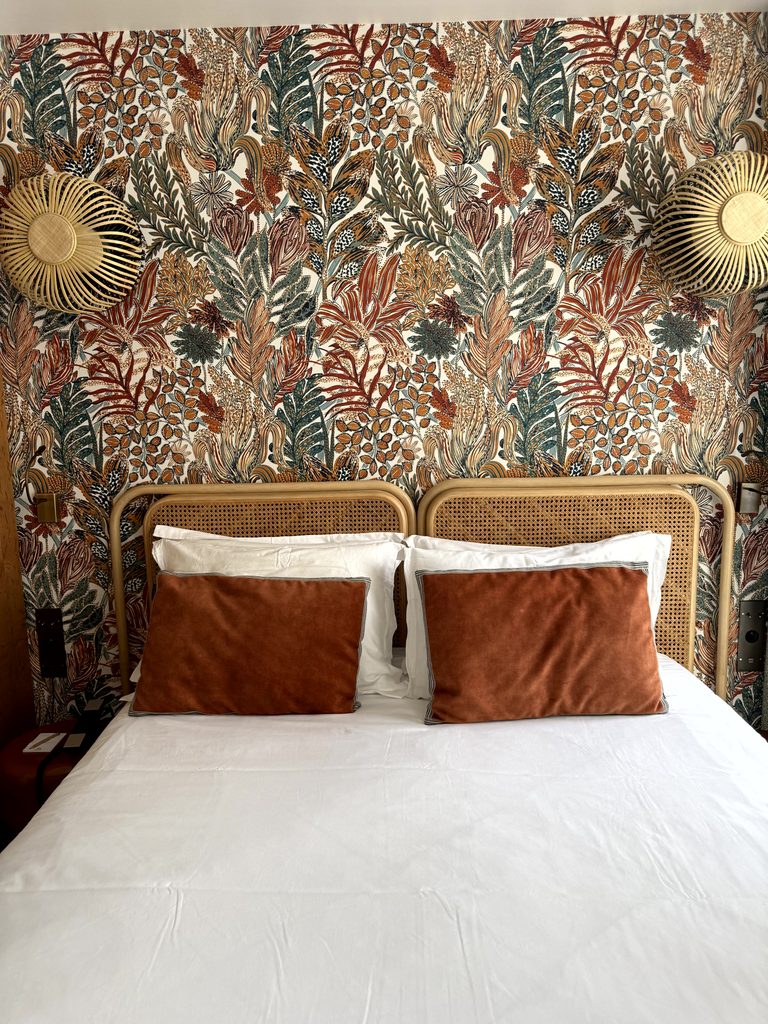
I apparently spent an extraordinary amount of time in Europe photographing patterns. Not just wallpaper or fabric, but brick, shingles on roofs, sidewalk pavers, windows, ironwork, floors, and ceilings.
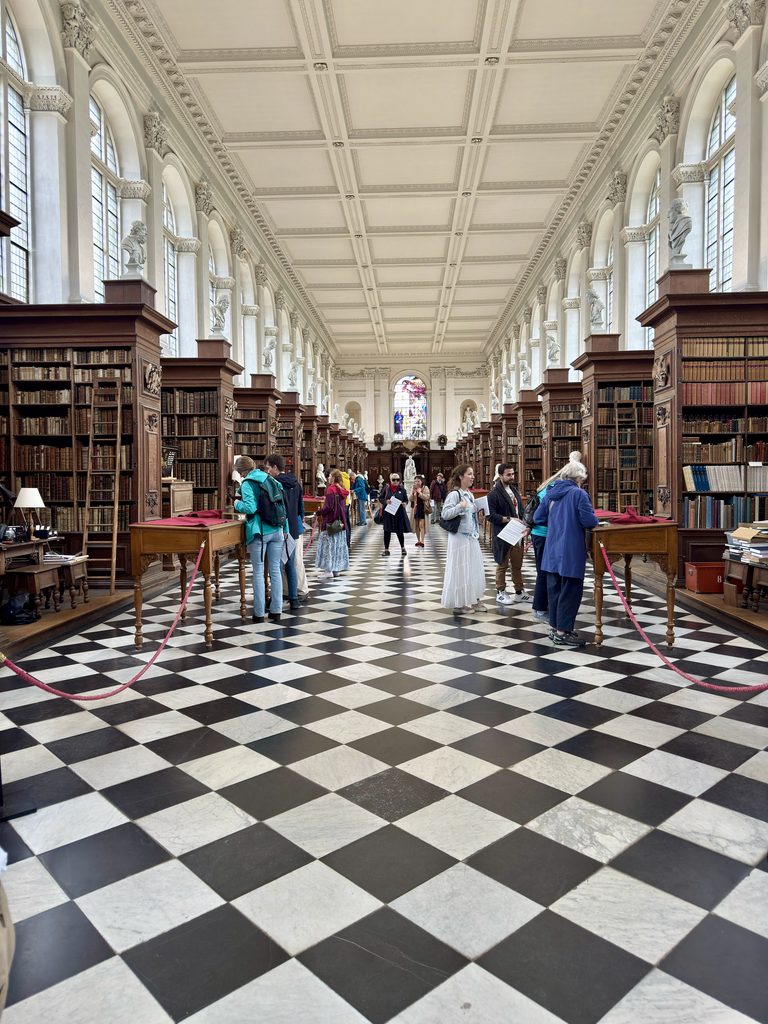
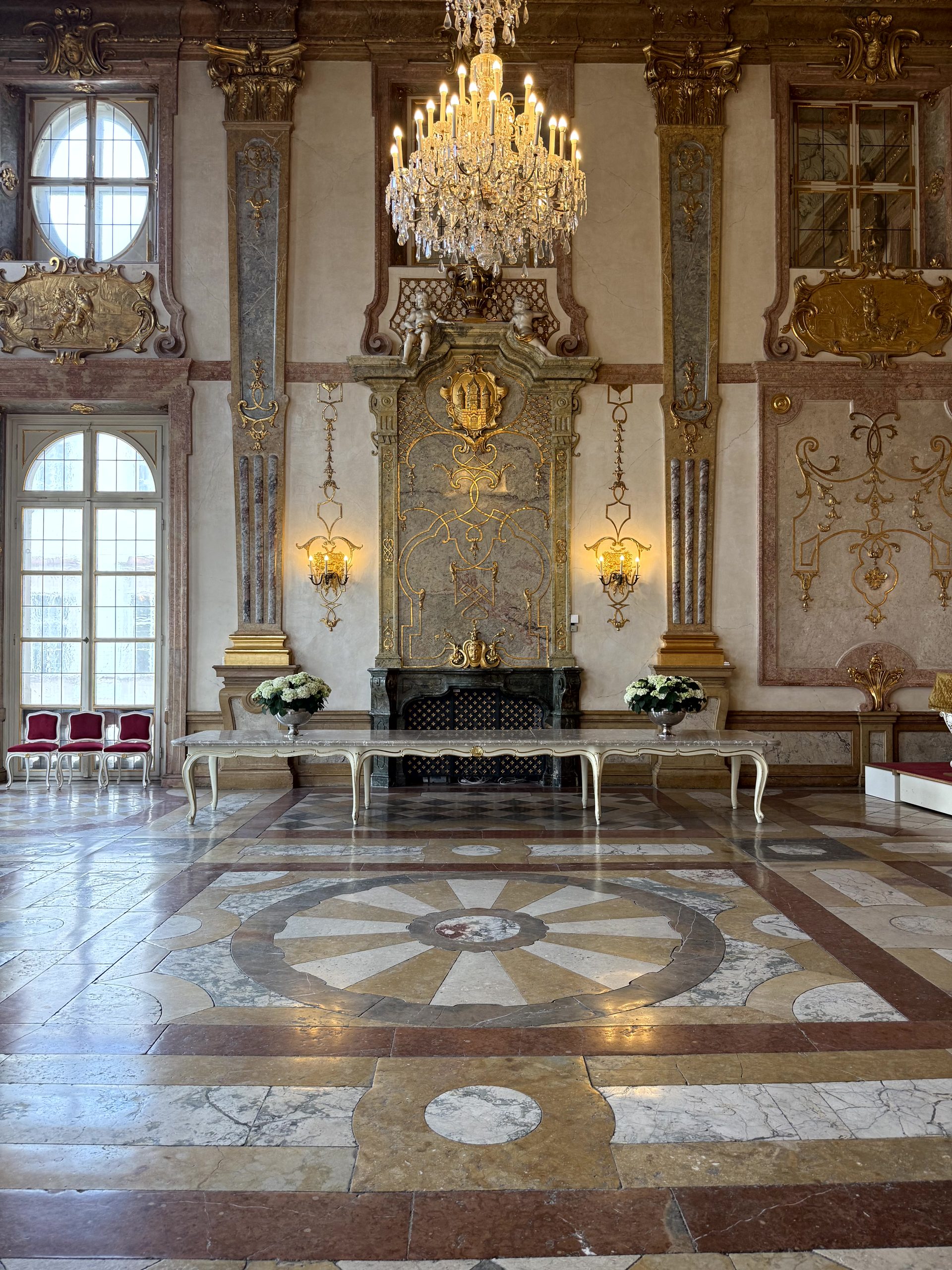
A checkerboard stone floor establishes the rhythm of an entire room. A herringbone brick layout turns an ordinary building material into something graphic. Rows of slate create movement across a roof. Pattern isn’t just for soft goods, it’s often built into the architecture.
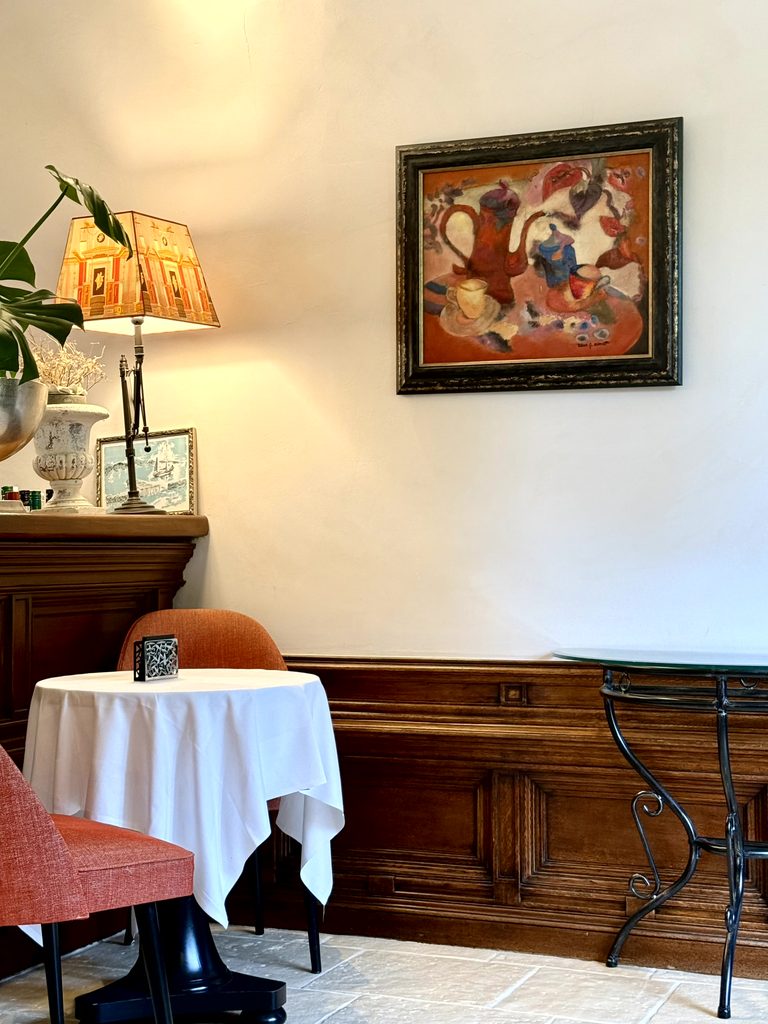
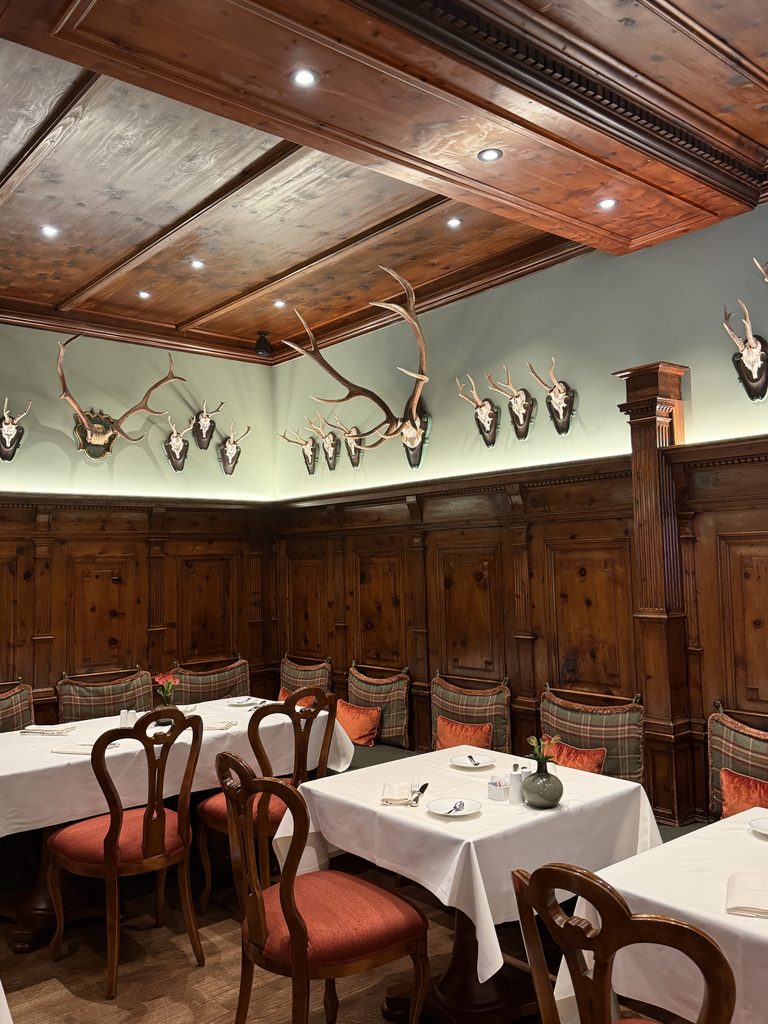
The way hardwood flooring is installed, the layout of tile, wainscot panels, the rhythm of lighting down a hallway, or even the spacing of millwork can introduce pattern. It is one of the reasons I love details like grain matching, stone layouts, and carefully planned millwork. When those decisions are made thoughtfully, even the simplest room has movement and depth.
Good Design Rewards Looking Closer
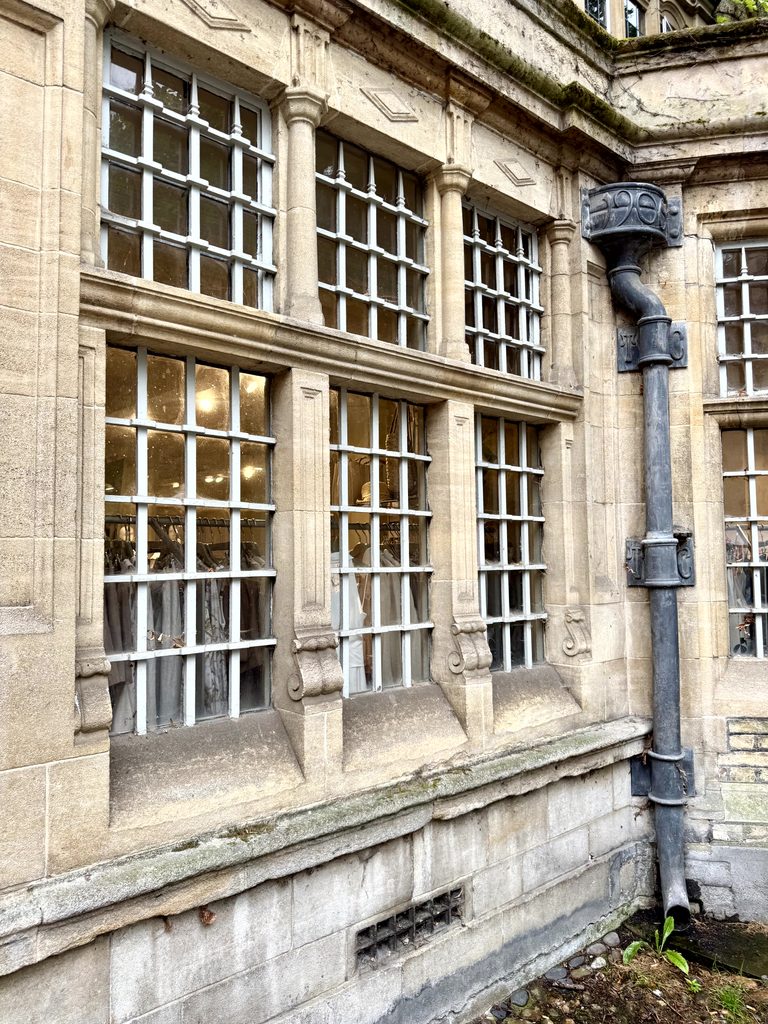
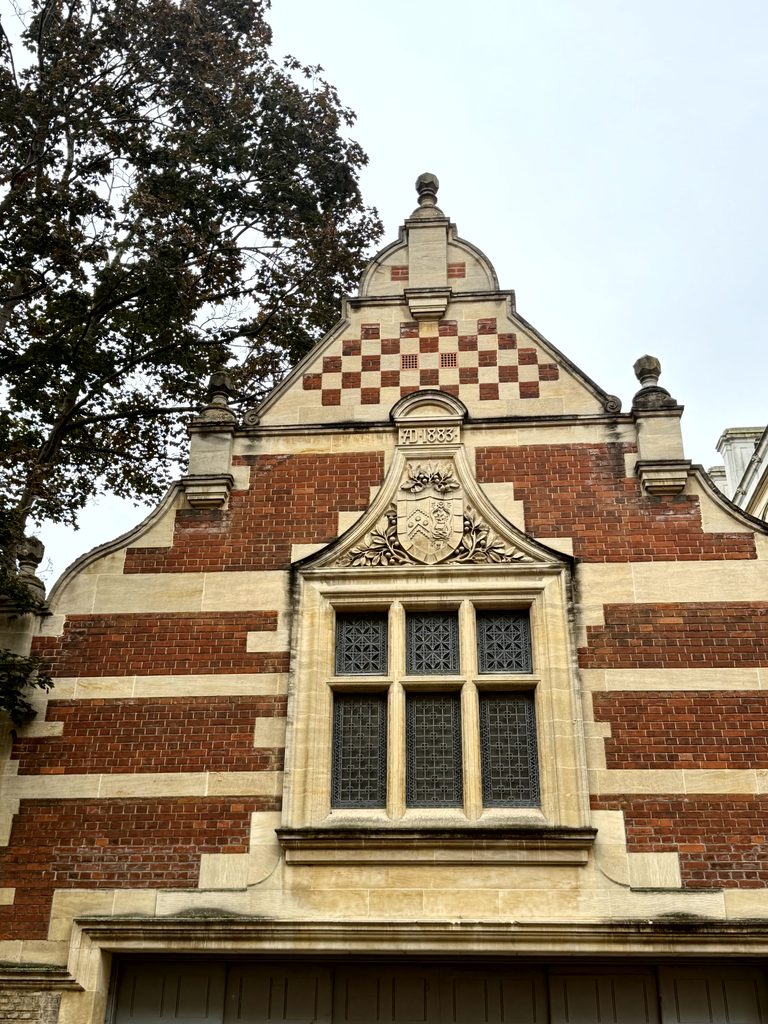
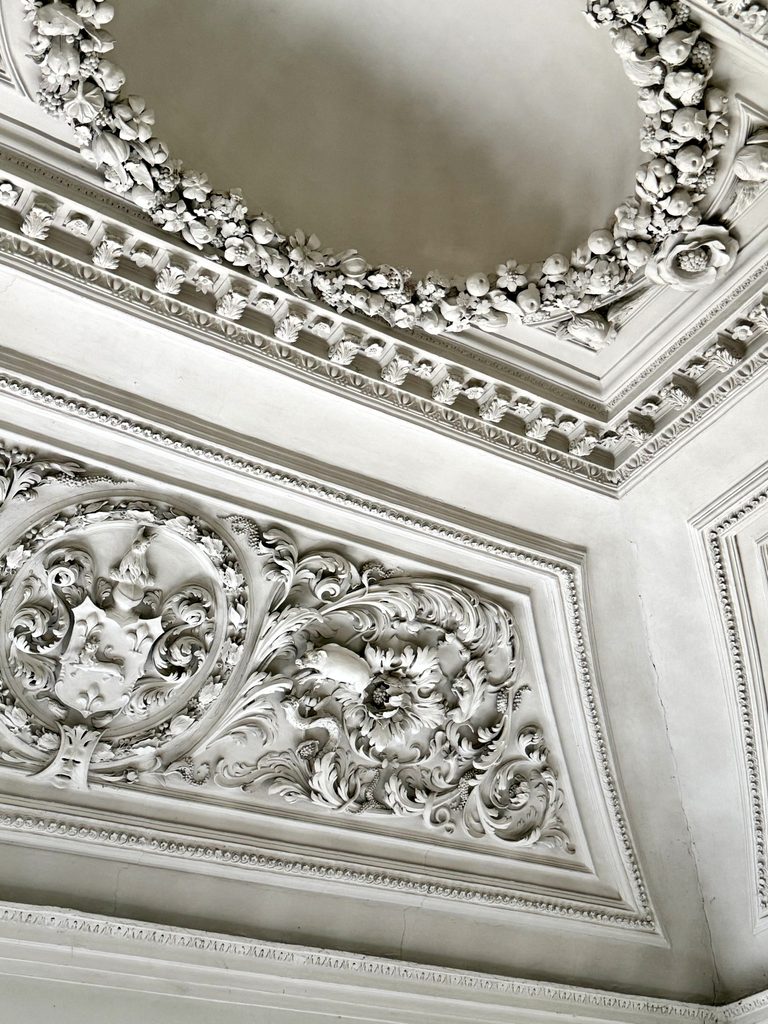
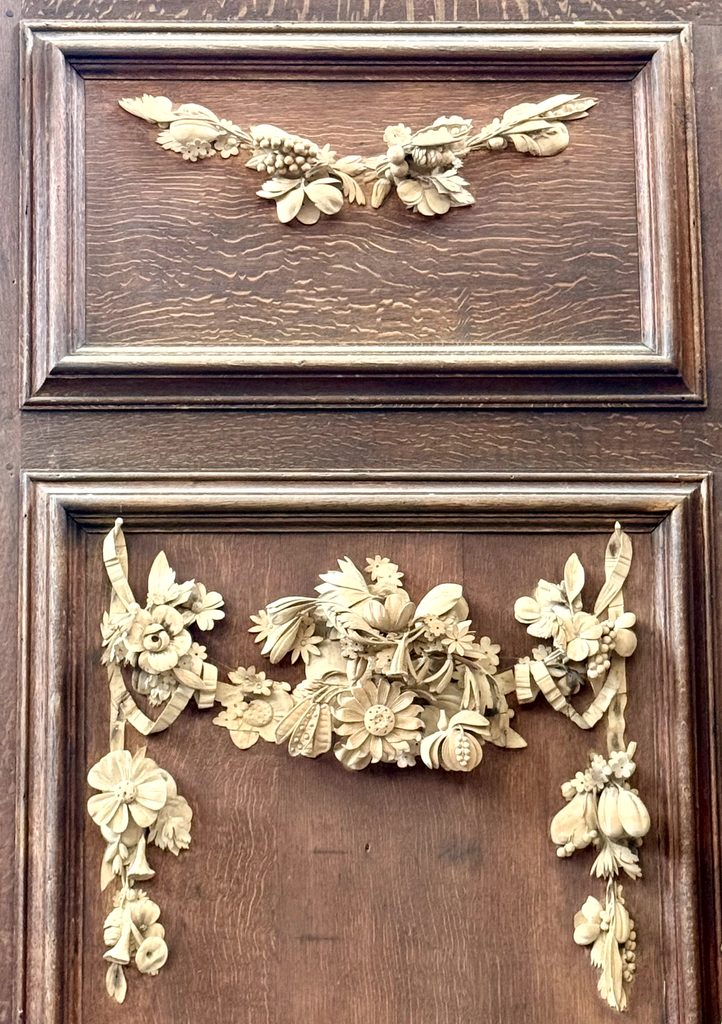
Some of my favorite photographs from this trip are of things most people probably walked right past: a carved stone detail, a copper rain gutter, an unusual bracket, a transition between two materials. None of these details necessarily define a space on their own. Together, however, they create the impression of craftsmanship and permanence. That is something I think about constantly in my own work.
The most successful interiors are rarely about one dramatic decision. They are the result of hundreds of smaller ones: the thickness of a countertop edge, the profile of a cabinet door, how two materials meet, the scale of the hardware, the placement of a light fixture, the way a piece of millwork terminates.
Most people may never consciously notice every one of those decisions. They definitely notice how the finished room feels. The smallest details often have the biggest cumulative effect. Europe was a wonderful reminder that craftsmanship gives a space a sense that someone cared enough to get the details right.
Nature Is Part of the Architecture
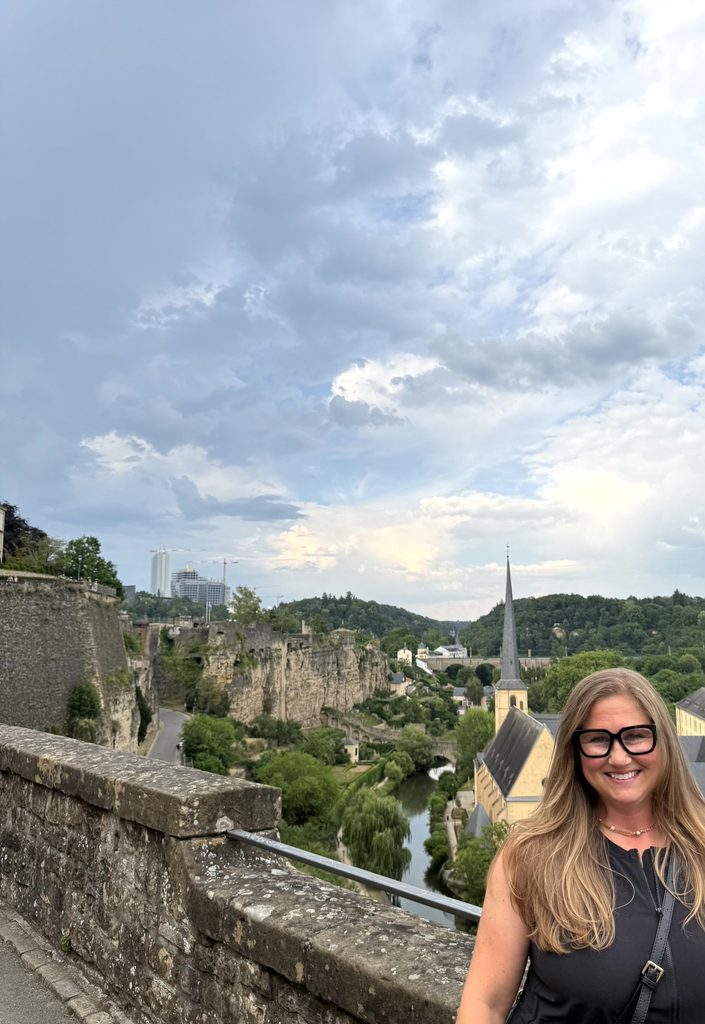
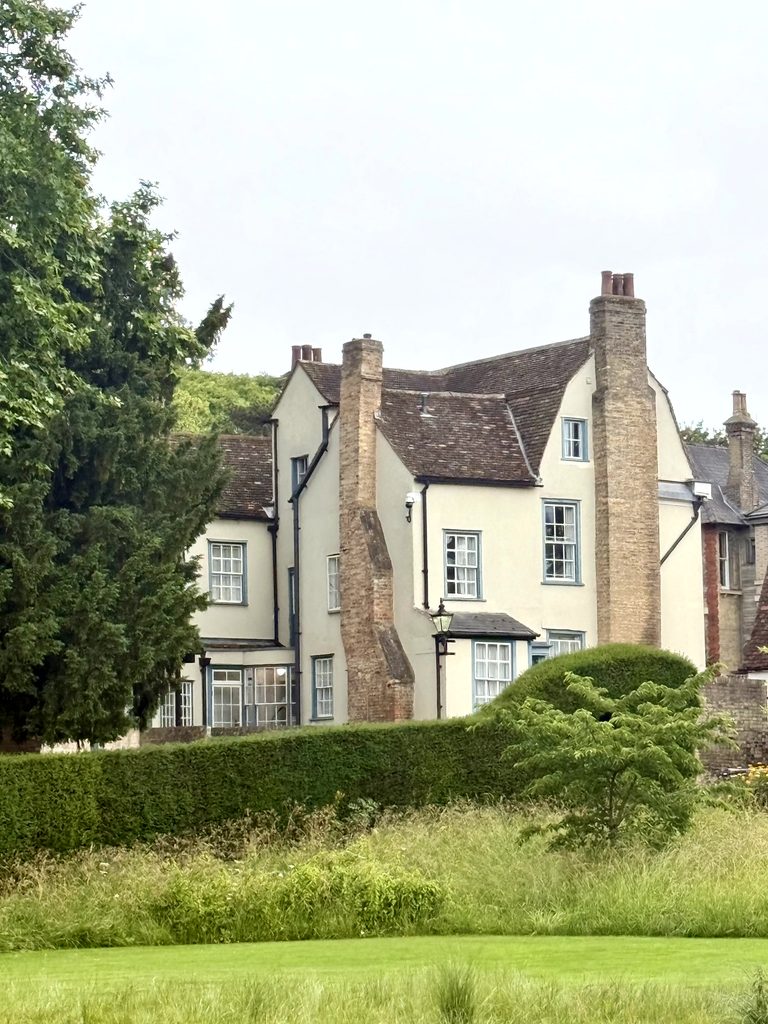
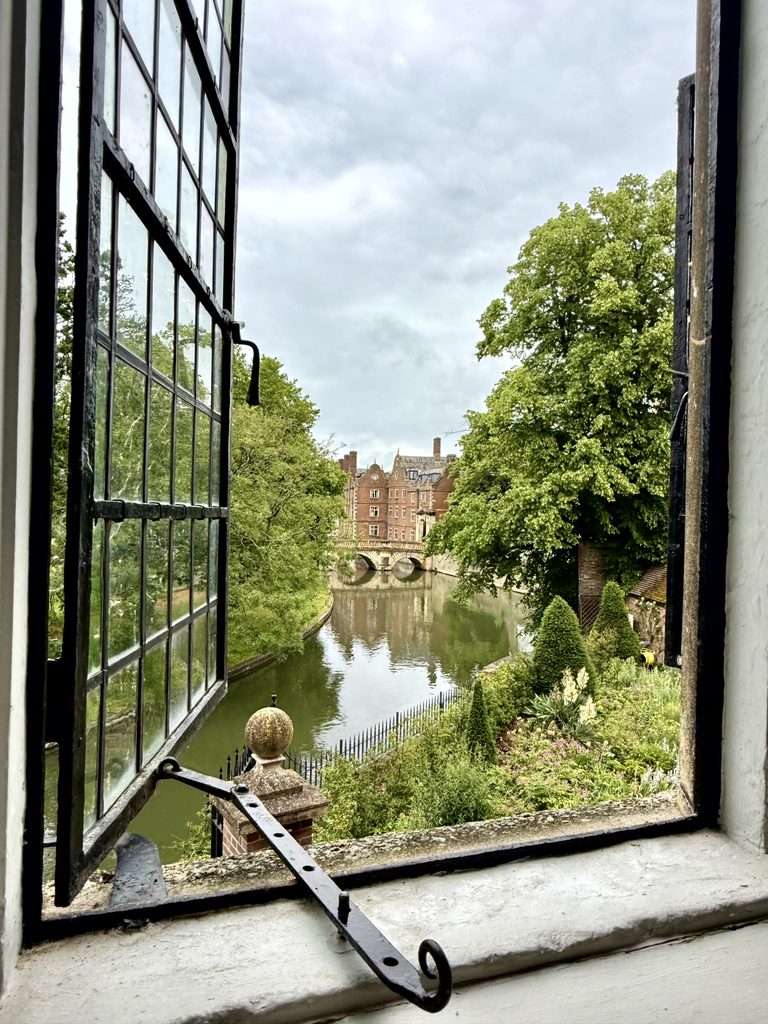
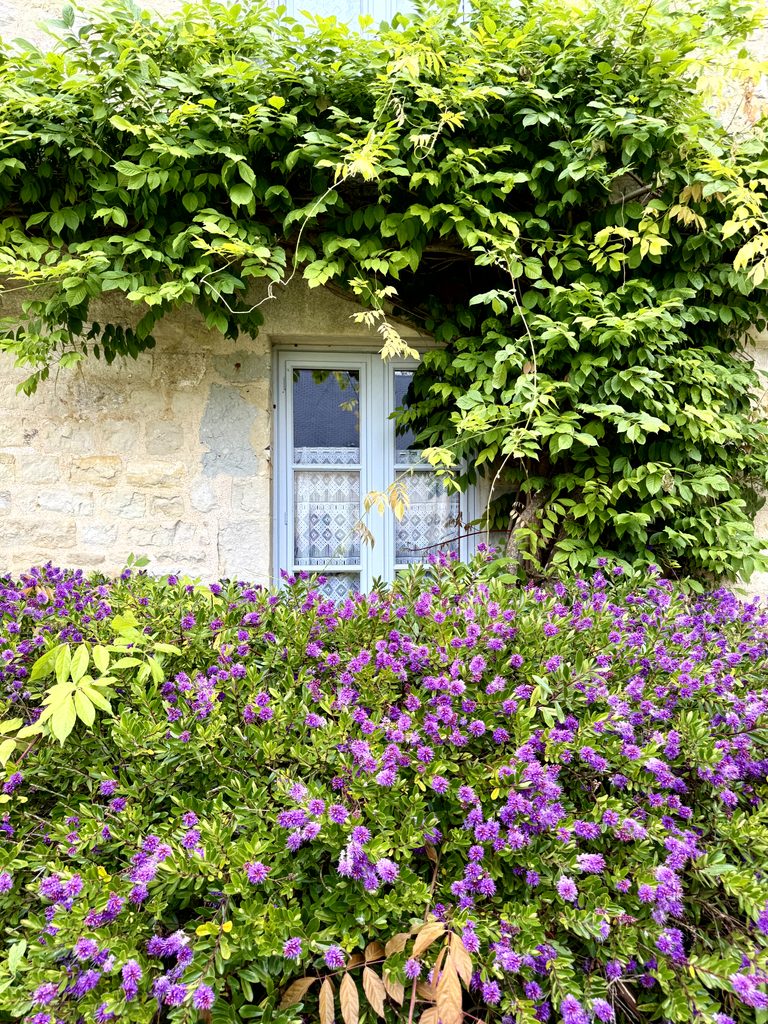
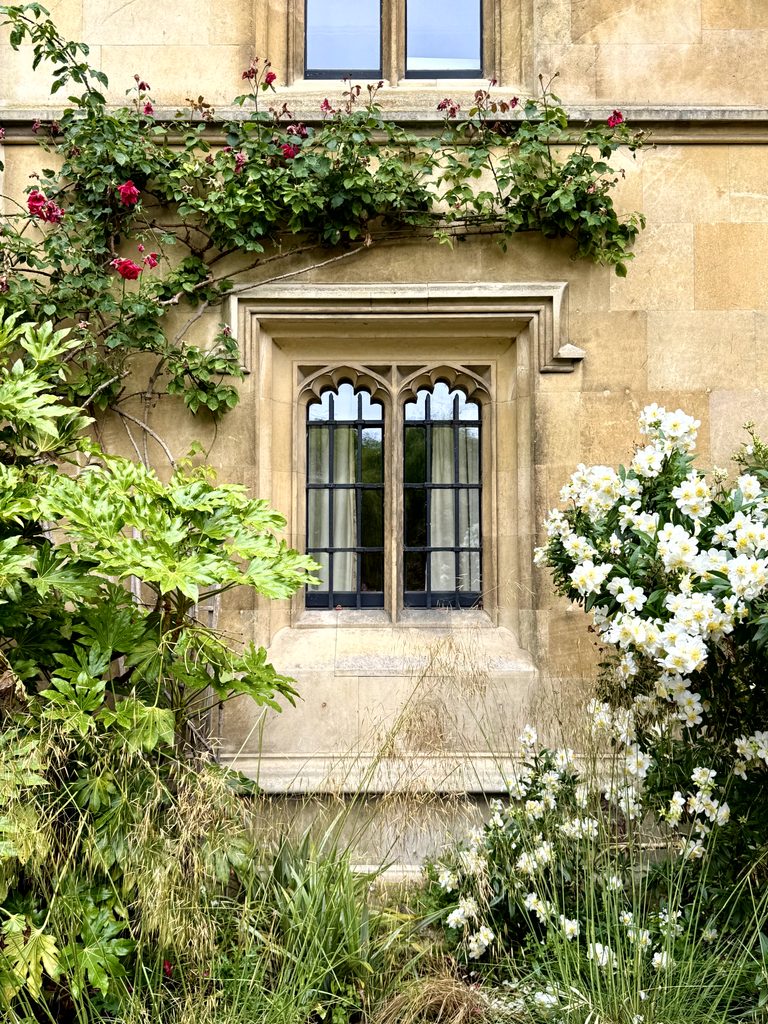
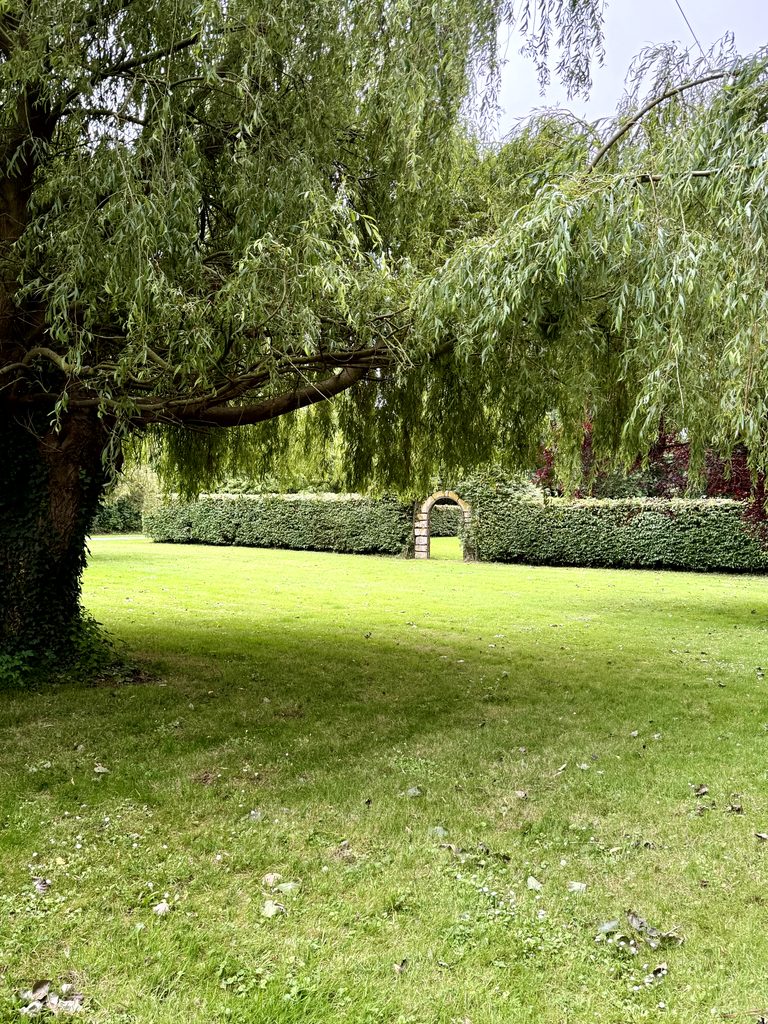
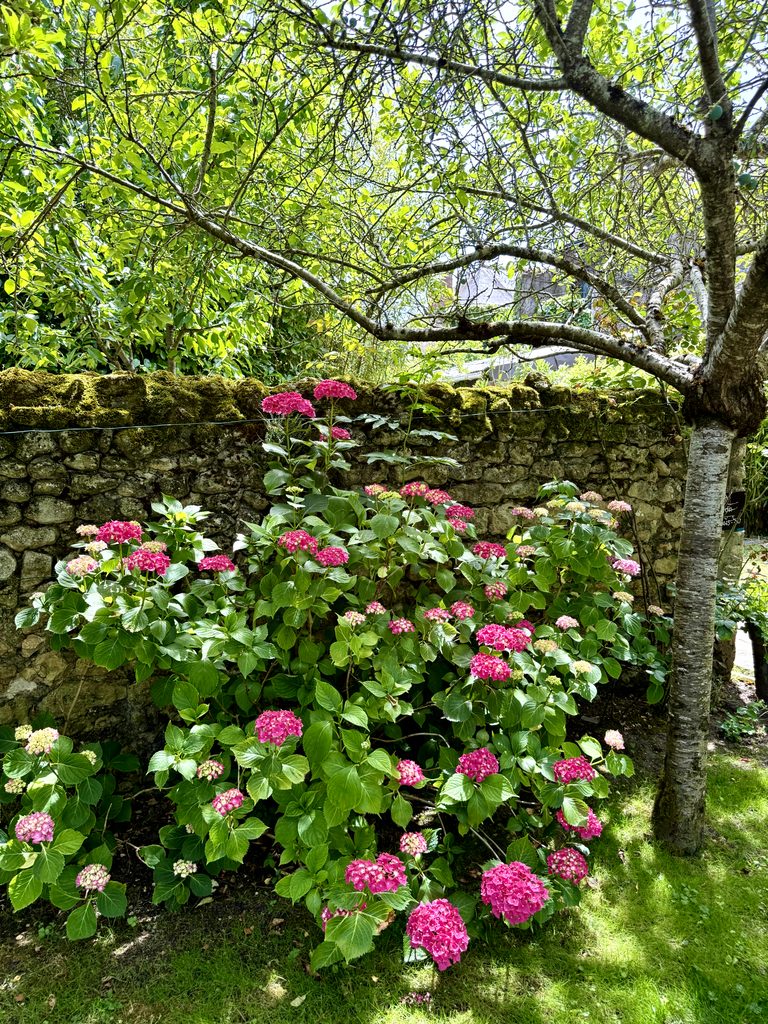
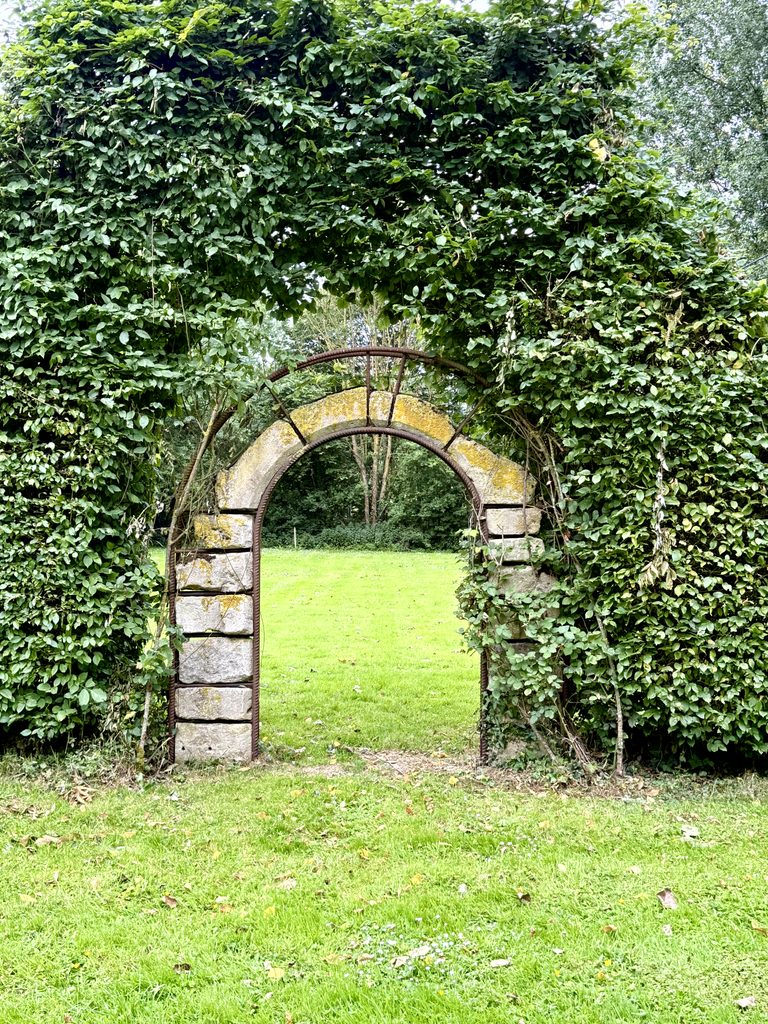
Another recurring theme in my photographs surprised me: how often I was photographing buildings and landscape together. Vines climbing over brick walls. Trees framing windows. Formal hedges against centuries-old stone walls. Loose, almost wild plantings softening something much more structured.
The landscape never felt like an accessory to the building. It felt integral to it. I love that idea for residential design because a home doesn’t stop at the exterior wall. The view from a window is part of the room. So is the terrace outside the French doors. The materials selected for an interior influence how it relates to the landscape beyond it. Architecture, interiors, and exterior spaces are at their best when they feel as though they were conceived together.
It doesn’t require a grand European garden. Sometimes it is simply recognizing a beautiful existing tree and orienting a room toward it. Choosing an exterior material that relates naturally to the surroundings. Creating a sightline through the house toward something green. Those relationships can completely change how a home feels.
A Home Should Give You a Sense of Place
More than anything, Europe reminded me how much I value a strong sense of place. A small French village feels unmistakably French. Normandy has its own materials and architecture. Salzburg feels entirely different. Roof pitches change. Windows change. Stone changes. Planting changes. These places aren’t trying to look like everywhere else. And that may be the most important design lesson I brought home.
There is so much visual information available to us now that it is incredibly easy for homes to begin looking alike. We often see the same kitchens, the same furniture, the same finishes repeated online regardless of whether the house is in South Carolina, New York, California, or somewhere in the mountains. But the homes I find most compelling have context. A lake house should respond to the water. A mountain house should respond to its landscape and materials. A historic home deserves a different conversation than a contemporary new build. And every home should ultimately reflect the people who live there.
The goal isn’t to recreate a French farmhouse in Greenville simply because you loved one on vacation. It is to ask why you loved it. Was it the natural stone? The imperfect plaster? The beautiful proportions? The way the garden softened the architecture? The feeling that the building belonged exactly where it was? Those ideas can be translated without being copied. The best spaces don’t feel imported. They feel rooted.
Bringing the Inspiration Home
Travel always changes the way I see things. Sometimes I come home inspired by a specific color combination or material. Other times, as with this trip, the takeaway is broader. Europe reminded me to value real materials. To look more closely and to think about pattern beyond textiles. To allow age and imperfection to add character. To consider the landscape as part of the interior experience.
And above all, to create spaces that feel connected to their architecture, surroundings, and the people who inhabit them. Those principles aren’t particularly European. They are simply principles of good design. And with several hundred photographs still waiting to be sorted, I have a feeling Europe has a few more design lessons to share.