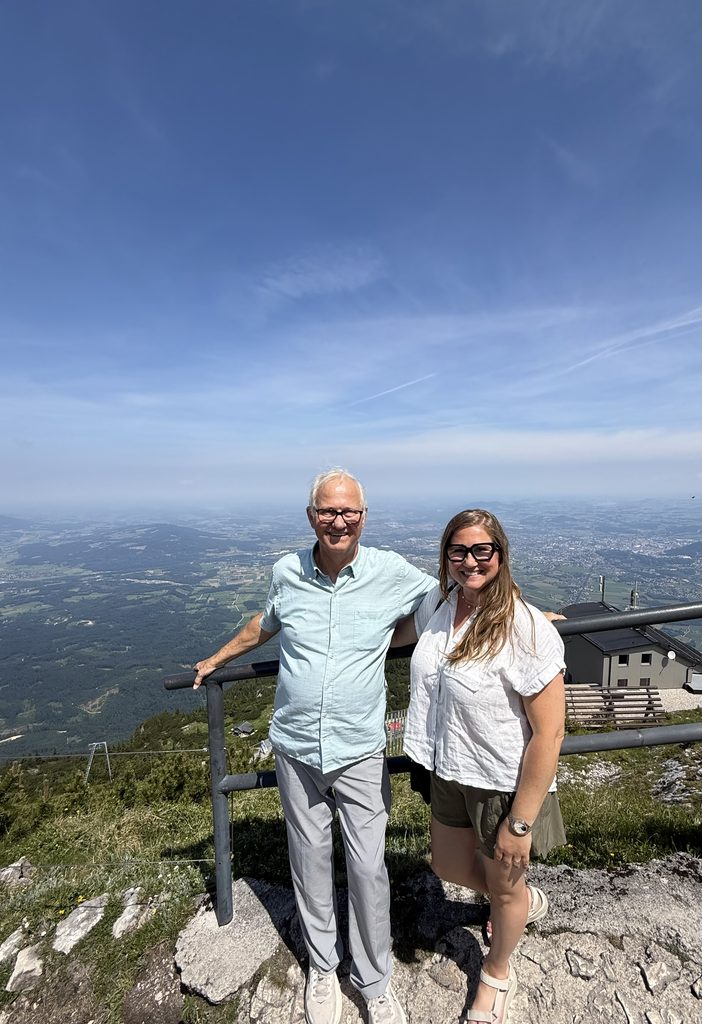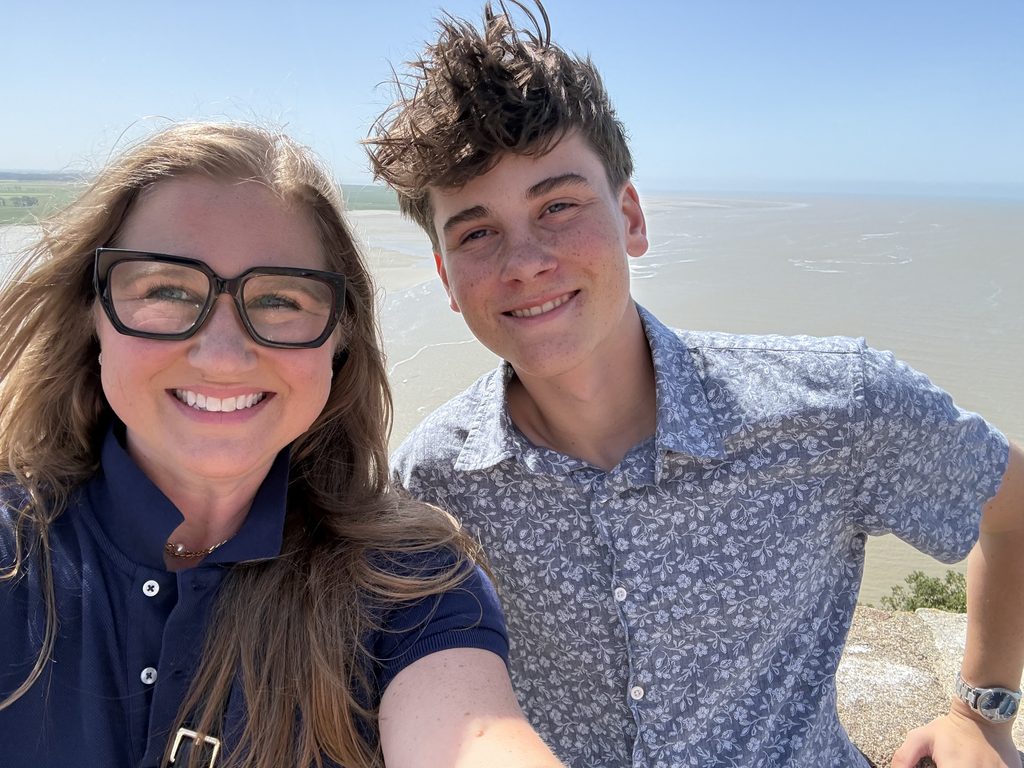
Earlier this year, I shared the story behind a trip I had dreamed about for years: traveling through Europe with my dad, my son Nils, and my nephew Jack to follow pieces of our family’s World War II history. At the time, we had journals, military records, family stories, and a carefully mapped itinerary. We knew where we hoped to go and why those places mattered. Read about the planning and background here.
What I couldn’t fully anticipate was how different those stories would feel once we were standing in the places where they happened.
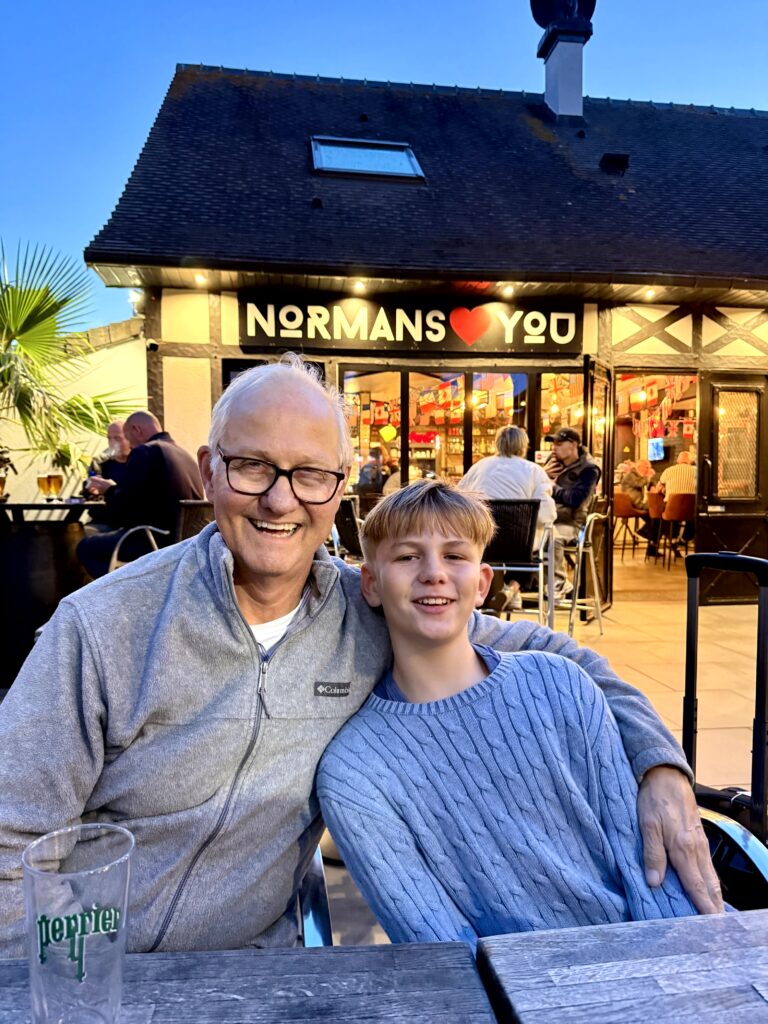
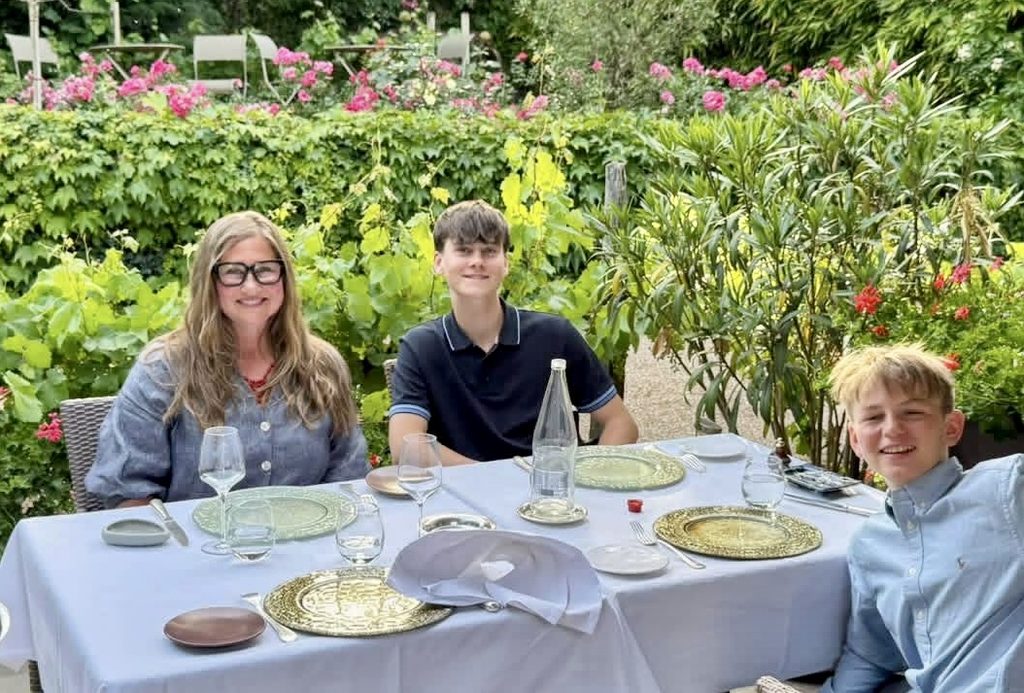
Over nearly three weeks, we traveled from London across the English Channel and through France, Belgium, Luxembourg, Germany, and Austria. We visited some of Europe’s most significant World War II sites—but some of the moments that stayed with me most happened in tiny villages with no museum, memorial, or obvious reason for a tourist to stop. We were simply there because someone in our family had once been there too.
Following Grammy’s Route Through Europe
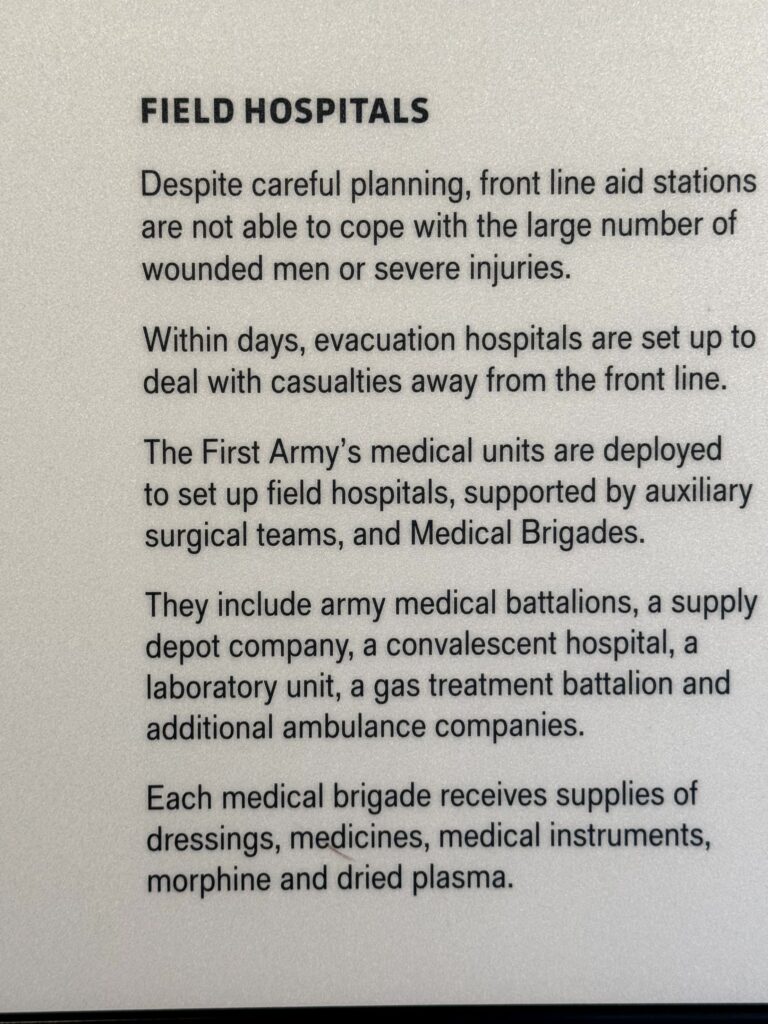
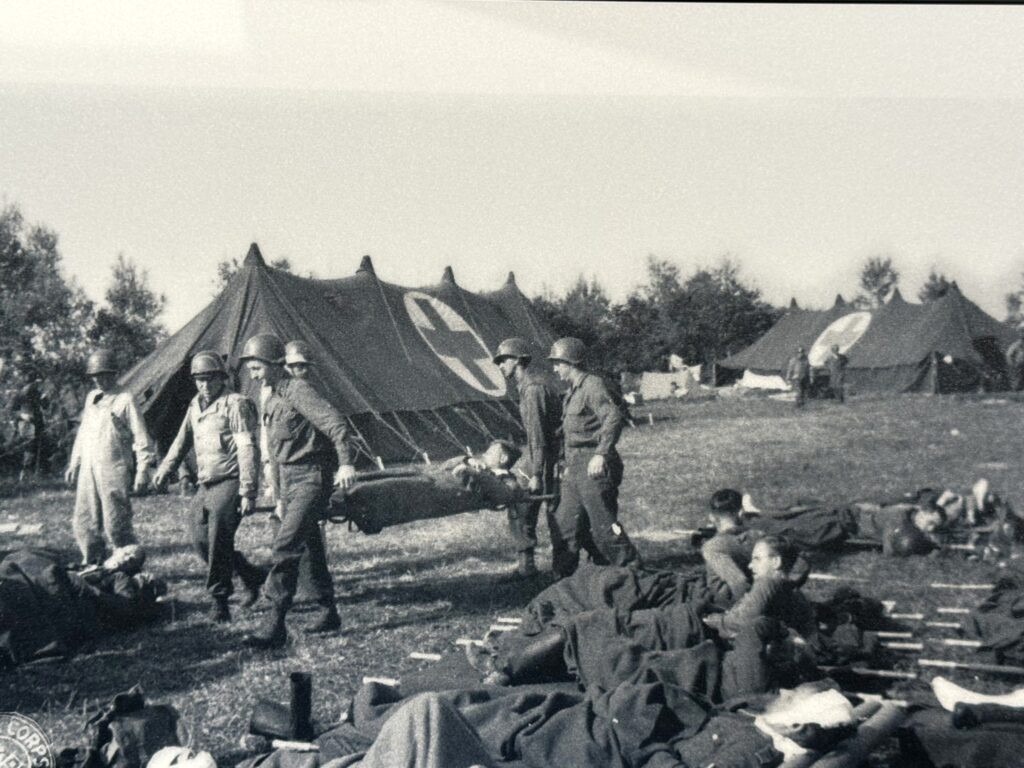
My grandmother, Synneva Larson—Grammy—served as a nurse during World War II under General Patton with the 12th Evacuation Hospital. Because she left us a detailed memoir, we were able to closely trace much of her movement through Europe.
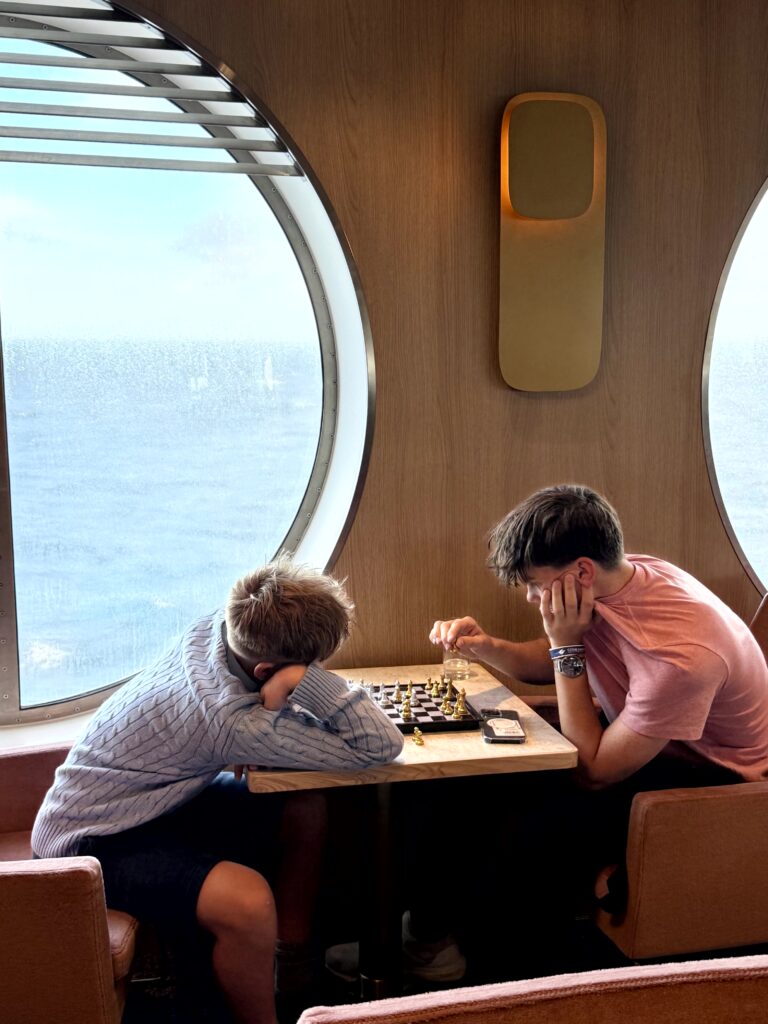
Crossing the English Channel by ferry was our first major connection to her journey. From there, as we made our way through France and farther east, we stopped in a number of the towns she had documented. Some were places anyone visiting WWII sites would recognize. Others were just small European villages, and those may have affected me most.
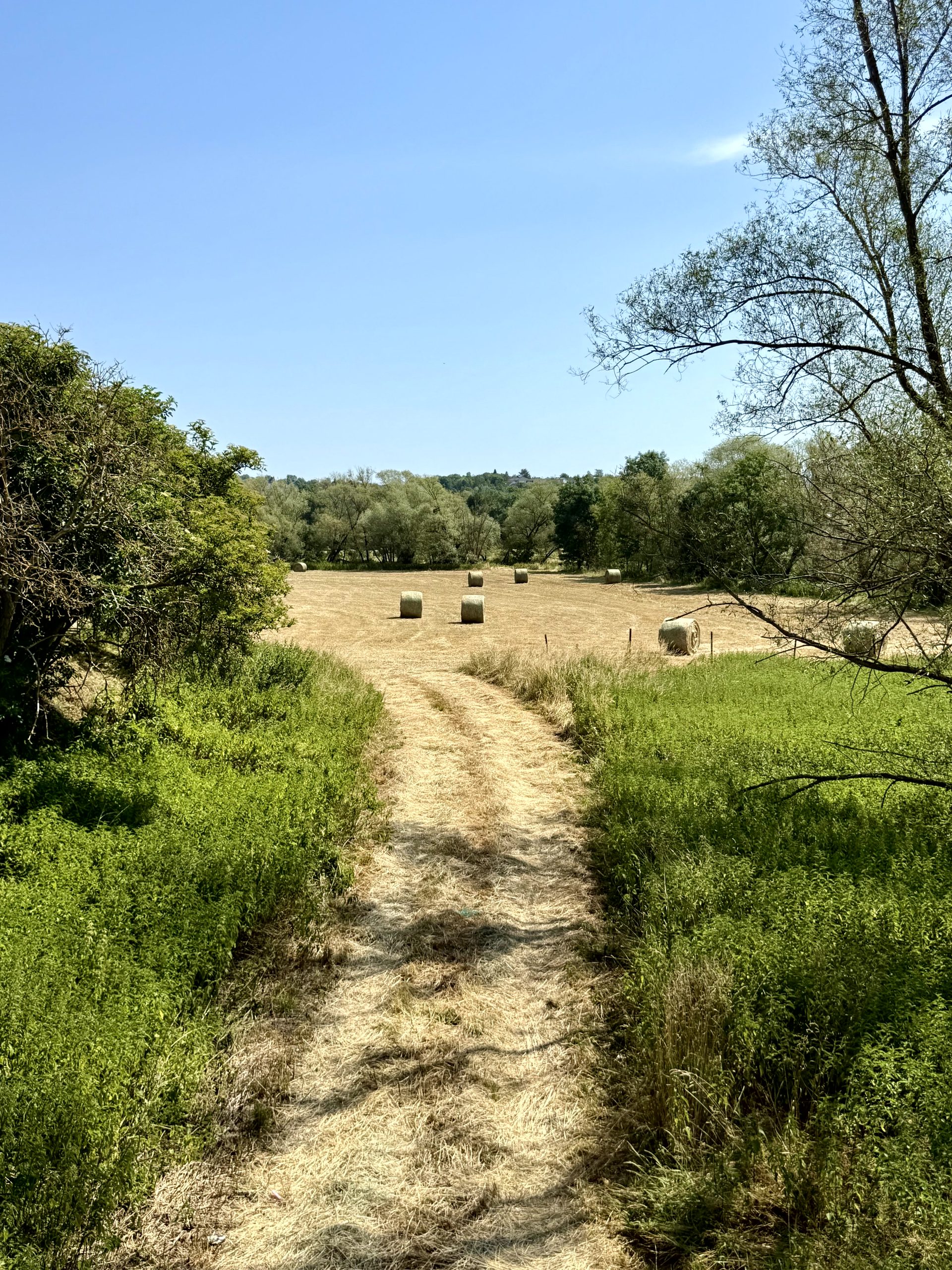
There was no plaque telling us what to think. No exhibit recreating what the town looked like in the 1940s. We would park the car, walk around, and try to imagine what it had been like when Grammy arrived there with the Army. You begin looking at ordinary things differently. The church in the center of town. A stone farmhouse. A narrow road. The distance between one village and the next. And the distance became one of the biggest revelations of the entire trip.
We covered an enormous amount of ground. Even in a nice car with air conditioning, comfortable seats, GPS, good roads, and the ability to stop for coffee and a croissant whenever we wanted, there were days when we were tired of driving. Then I would think about Grammy and the other men and women making those same movements in Army trucks, in wartime conditions, with none of our comforts—and often without knowing what awaited them at the other end.

Normandy and the Places We All Know
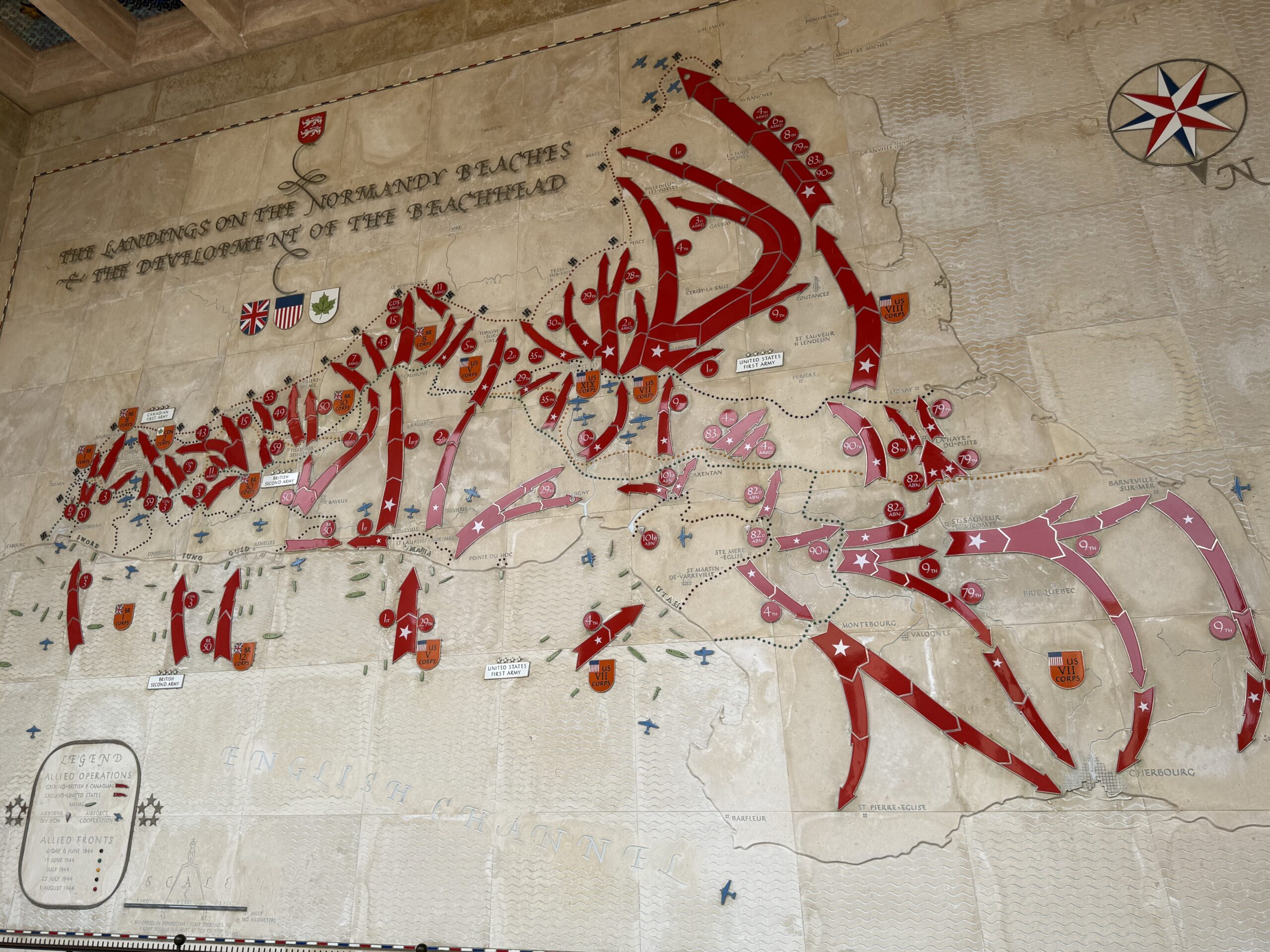
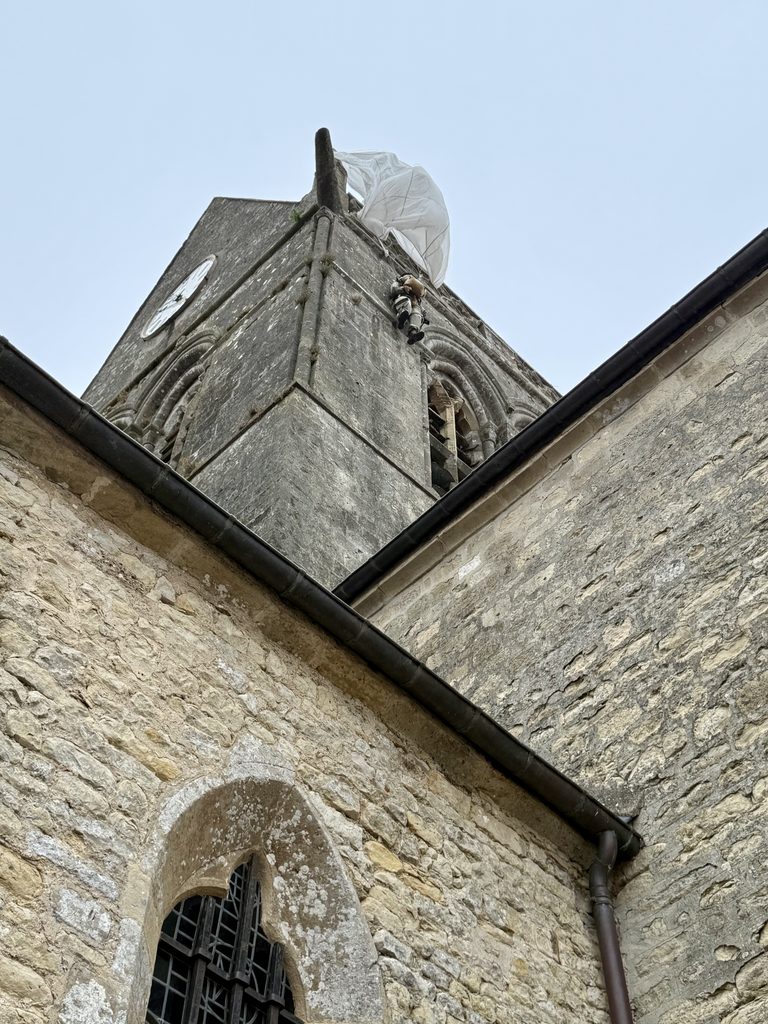
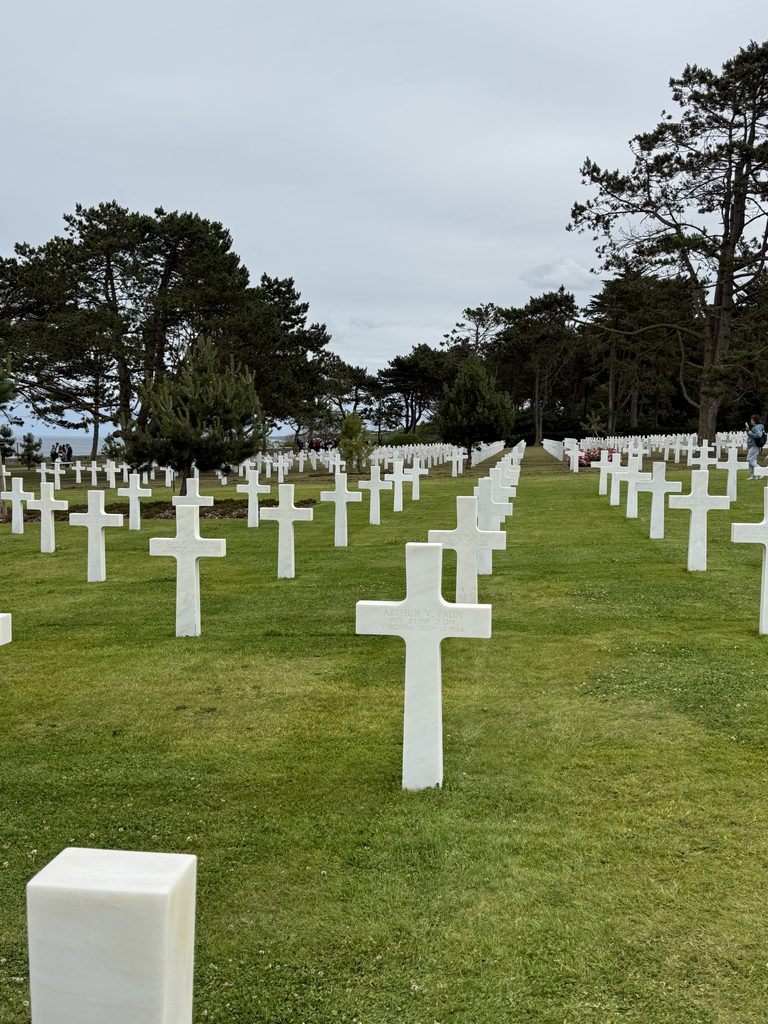
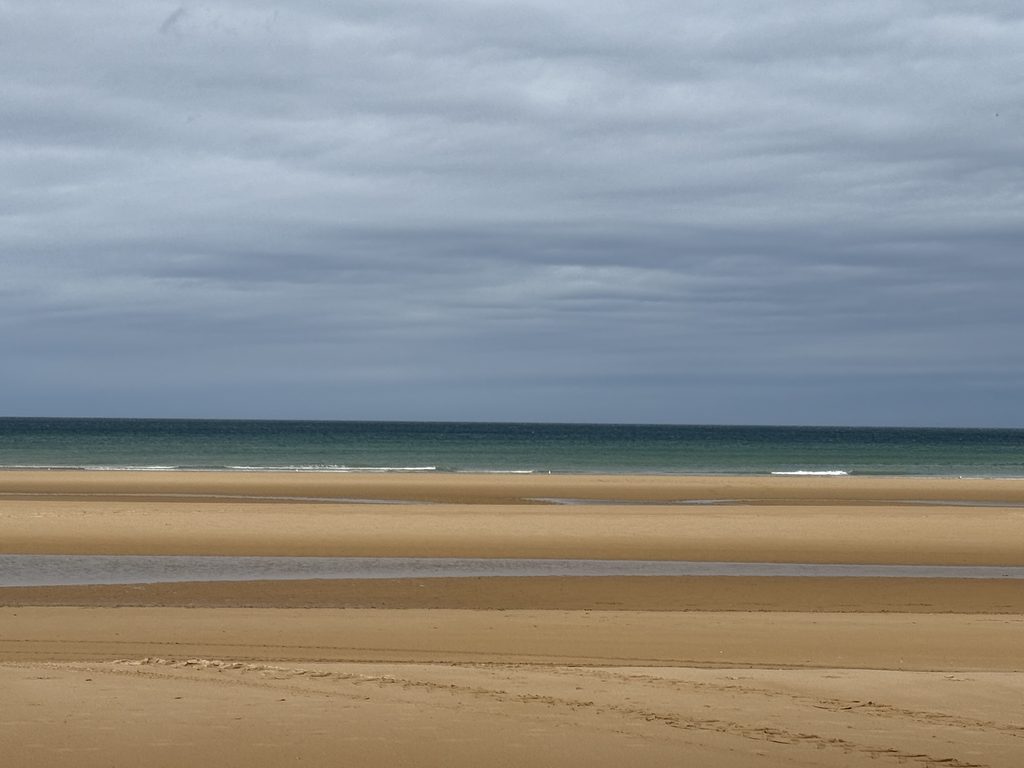
In Normandy we visited D-Day sites and the American Cemetery, Utah Beach, Sainte-Mère-Église, the Airborne Museum, and the surrounding countryside. It is difficult to reconcile the Normandy you see today with the Normandy of June 1944. The landscape is beautiful and pastoral. There are fields, hedgerows, stone houses, church steeples, and little villages that feel almost impossibly peaceful. Utah Beach itself is strikingly beautiful–bright blue water, warm caramel-colored sand–and standing there makes the scale of what happened much harder to comprehend, not easier.
That contrast followed me throughout our trip. We could read the dates and casualty numbers, study a map, and look at historical photographs—but then we would step outside into a beautiful June afternoon and realize that this very place had looked entirely different just over 80 years ago. History comes alive when you can stand where others experienced it.
Robert Best in Europe—and an Extraordinary Building in Paris
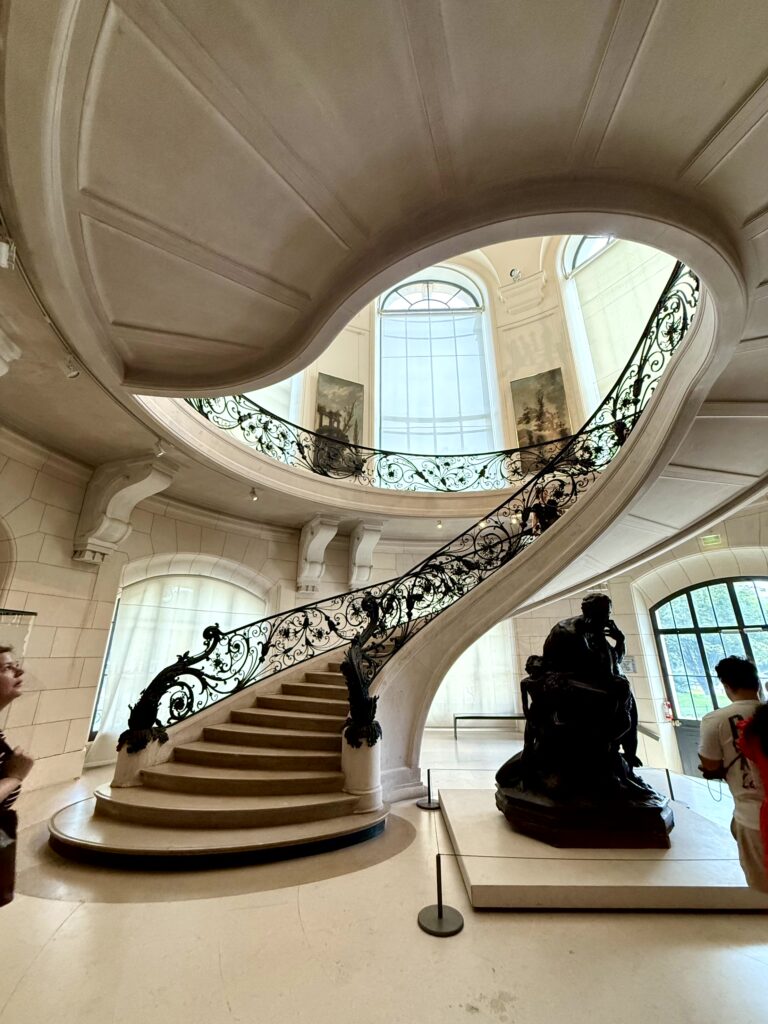
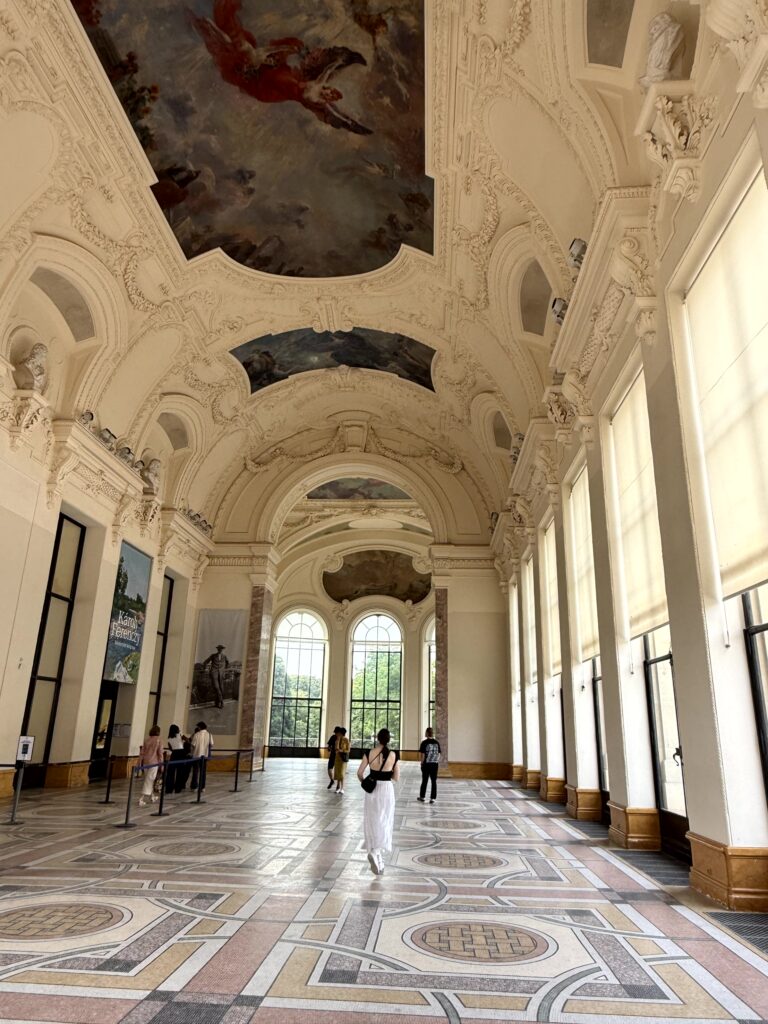
One of the places I found most moving was not a battlefield at all. It was the Petit Palais in Paris. Nils’s great-grandfather, Robert Best, spent several weeks there during the war. We have extensive records of his service, meticulously researched and preserved by Nils’s great-uncle, so Paris wasn’t simply another stop on our itinerary. But I don’t think I was prepared for the palace itself–the architecture is spectacular.
Standing in that beautiful, elegant building and trying to imagine it being used as military barracks was almost surreal. This was somewhere Robert had actually lived—not for an afternoon or a single night, but for weeks. I wasn’t looking at a historical record stating that he had been in Paris, I was walking through the spaces he would have known, and imagining a completely different version of that extraordinary place.
Robert had also spent time in Reims, so we included a day there as we continued east. Again, there was something about simply being in the city that made his story feel more tangible.
Wesley’s Story in Nuremberg
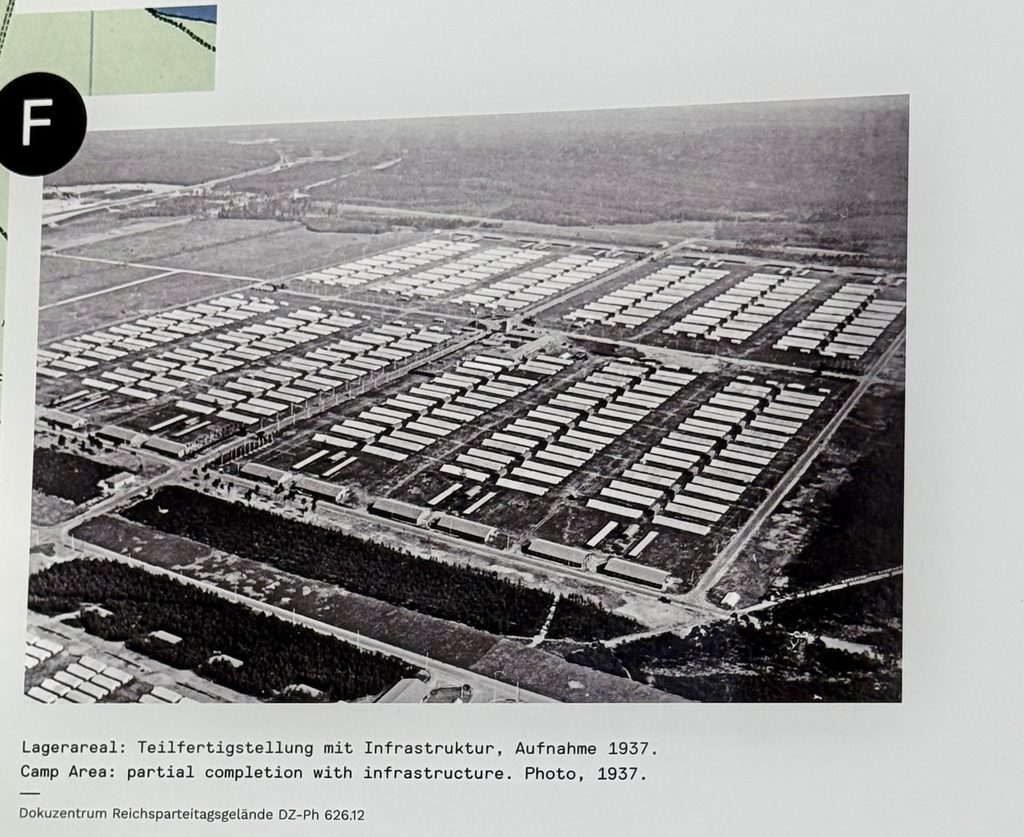
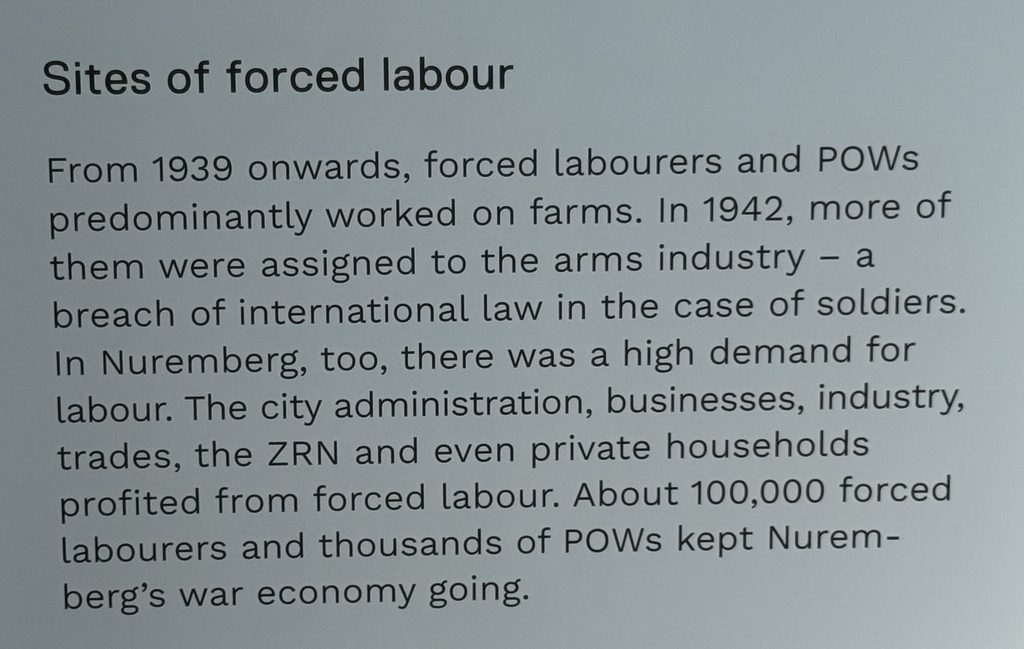
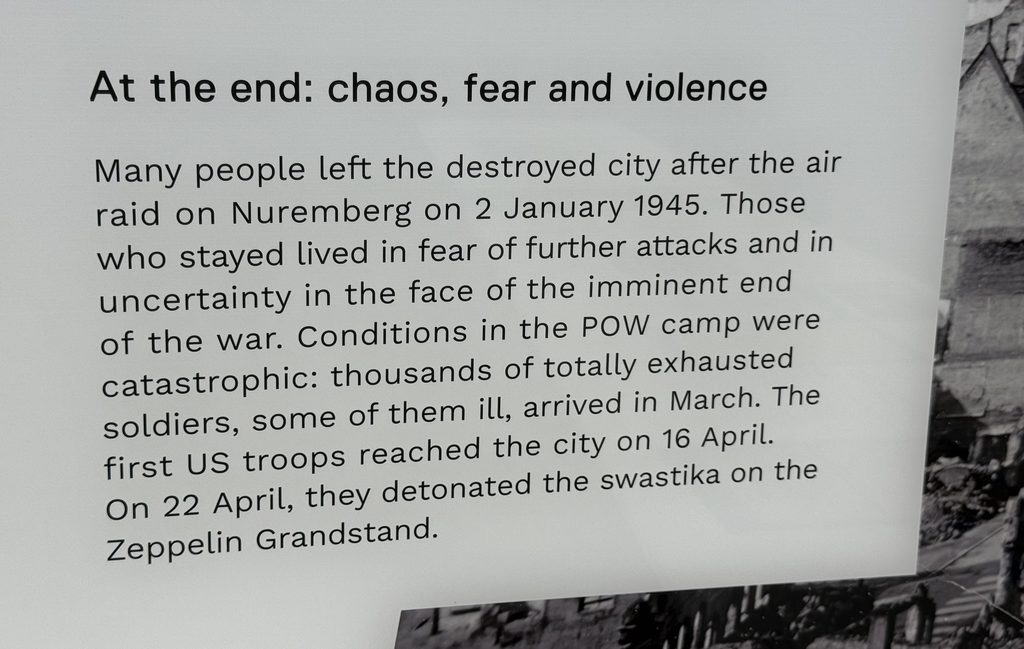
Nuremberg brought us to another branch of the family. My nephew Jack’s great-grandfather, Wesley Isaacson, had been held there as a prisoner of war. We visited the Documentation Center at the former Nazi Party Rally Grounds, where we were able to learn much more about the prisoner-of-war camp that operated in the Langwasser area of the grounds during the war.
This was one of the places where the historical documentation made an enormous difference. There were photographs of the camp, descriptions of daily life, and detailed layouts showing how it had been organized. Instead of trying to imagine the experience from a sentence in a military record, we could begin to understand where Wesley had been and what the environment around him actually looked like.
For Jack especially, I hope those images become part of the family’s record of Wesley’s story—the next layer added to the documents and information that brought us there in the first place.
Seeing the Larger Story
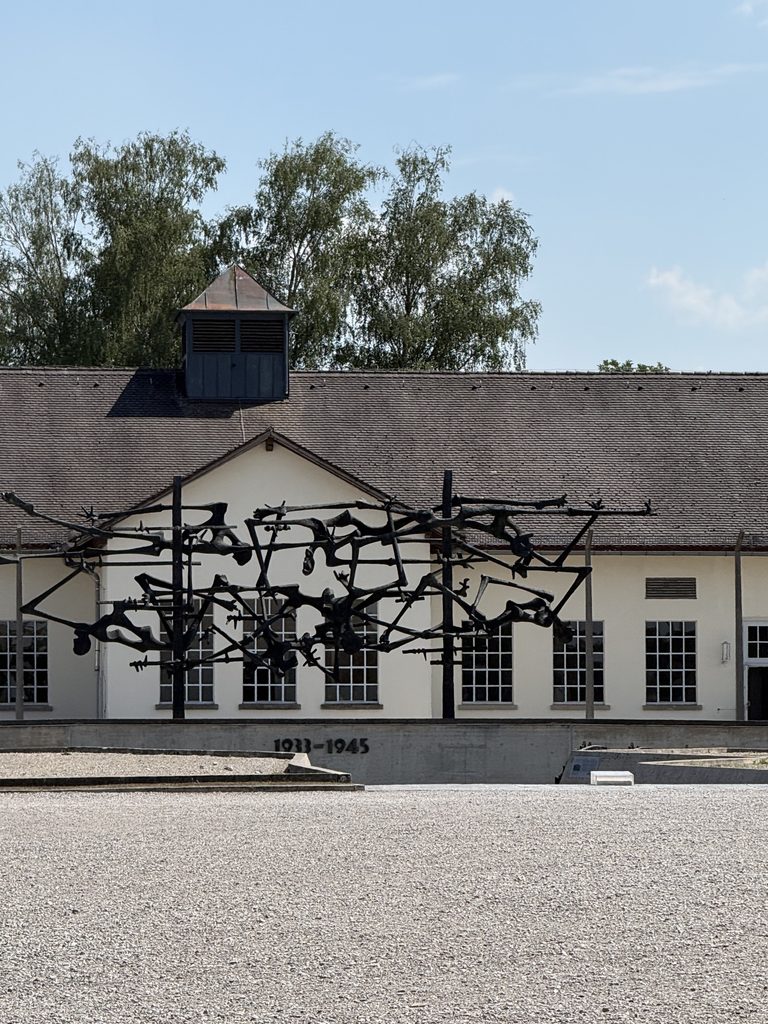
Along the way, we also visited Bastogne, the Dachau Concentration Camp Memorial, and other places connected to the larger history surrounding our family’s individual experiences. Dachau is difficult to put into words, and perhaps it should be. It was important to me that the boys see it. Standing in a haunting place like Dachau makes the enormity of the Holocaust tangible in a way that a textbook simply cannot.
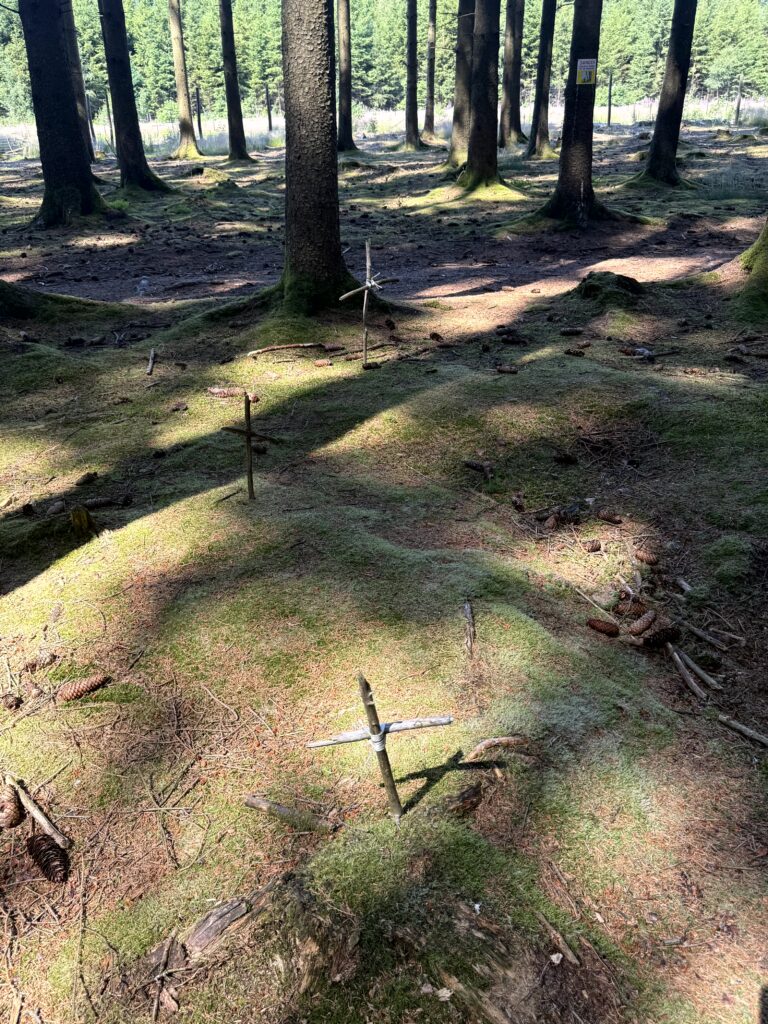
Bastogne offered another perspective, helping us better understand the Battle of the Bulge and the movement of troops through the Ardennes. The museums there were excellent, and the foxholes were eerily poignant.
By this point in the trip, something else had begun to happen: the geography was connecting. The key places of WWII history were now connected by roads we had actually driven. Normandy wasn’t simply “Normandy.” Paris wasn’t simply “Paris.” Reims, Bastogne, Luxembourg, and Nuremberg weren’t isolated points on a map anymore. We now understood how they connected.
Making Room for Beauty in Europe
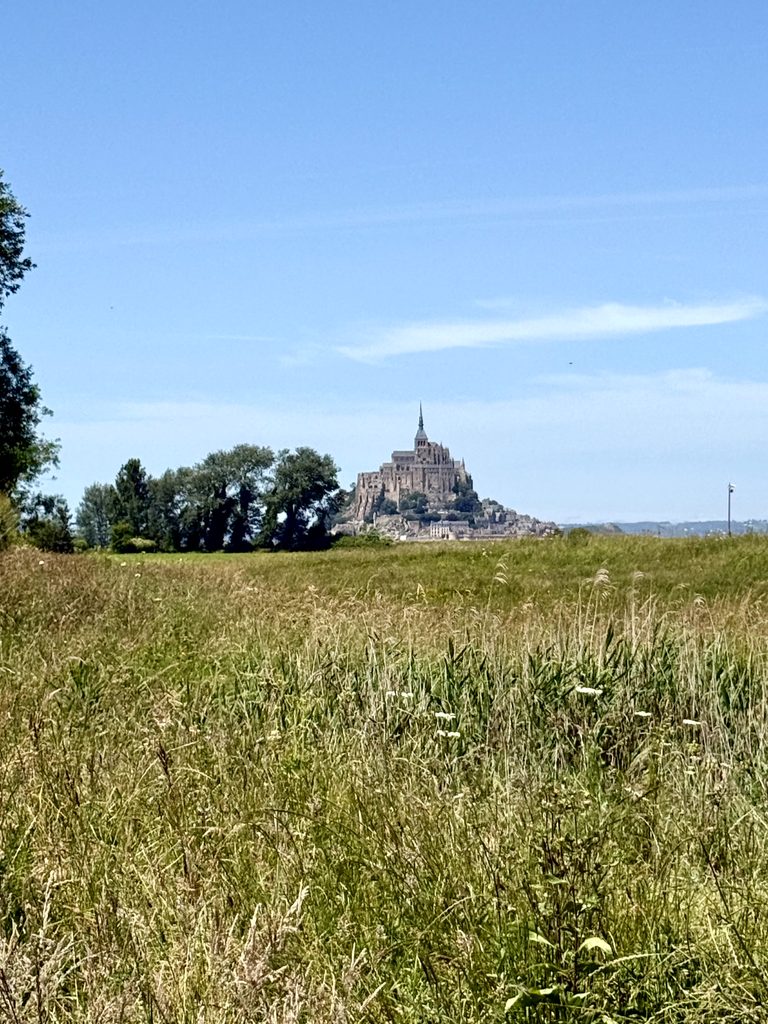
From the beginning, I knew we couldn’t spend nearly three weeks immersed only in wartime history. We intentionally built beauty into the trip too. Mont-Saint-Michel, Château de Chambord, Chenonceau, Chartres, Paris, and eventually Salzburg gave us room to enjoy Europe outside the context of WWII. And yes—I took more than 800 photographs.
There is another blog (or 2!) coming about what I saw through the eyes of an interior designer: châteaux, centuries-old craftsmanship, incredible ceilings, cathedrals, stonework, gardens, hardware, doors, and architectural details I am still sorting through. Those places deserve their own stories.
On this particular trip, though, they also gave us a needed counterbalance. Europe holds layers upon layers of history. War is part of that history, but so are extraordinary architecture, art, craftsmanship, food, family, and everyday life. There was something restorative about moving between the two.
Taking Family History Off the Page
Before this trip, I knew many of the facts: where Grammy had served, what Robert had written in his letters, and pieces of Wesley’s story. We had dates, town names, documents, journals, photographs, and maps.
What I didn’t really understand was the space between all of those facts. Now I know what it feels like to drive the road into one of Grammy’s tiny French villages. I know how far apart some of these places actually are. I’ve stood inside the Palais-Royal and tried to imagine Robert living there when it served as wartime barracks. Jack has stood on the same historic grounds where his great-grandfather was once held as a POW and seen photographs showing what the camp looked like. And perhaps most meaningful to me, Nils and Jack were there learning the stories of generations they never had the chance to know.
Four of us traveled through Europe, but in a way, Grammy, Robert, and Wesley came along too. Family history can so easily become a collection of names, dates, documents, and photographs kept in boxes and files. Traveling to these places turned those records back into people. It was the reason I wanted to take this trip in the first place. I just didn’t realize quite how powerful it would be until we were there.